



According to the European Commission, special customs charges on cheap parcels from China could bring the budget of the European Union (EU) up to €6 billion a year in the period 2028–2034.
New tariff structure and commencement dates
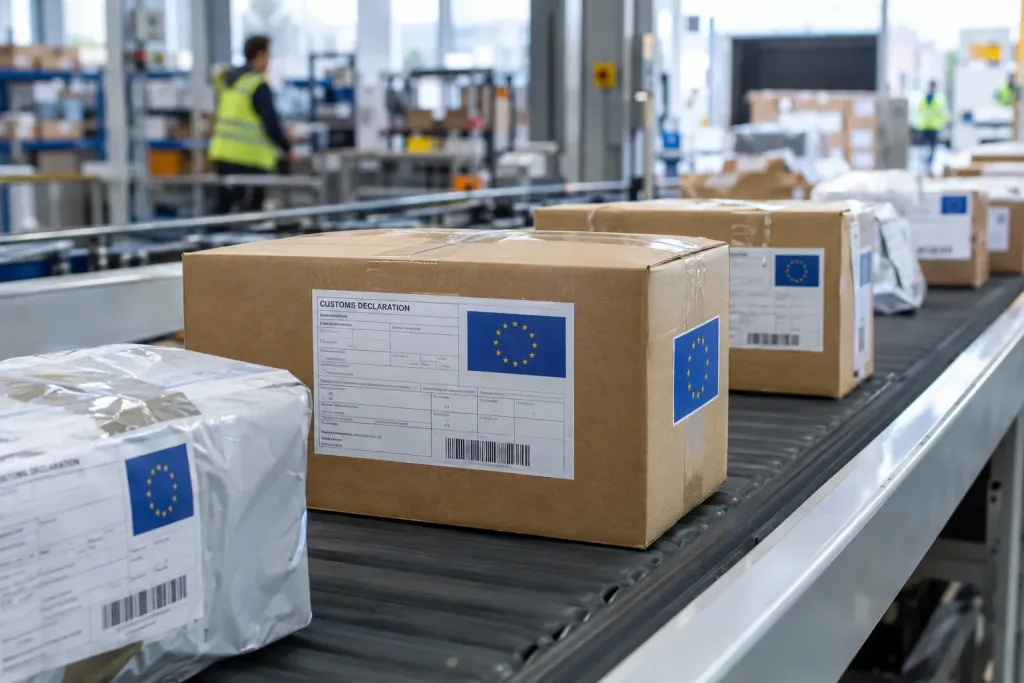
From 1 November the EU will introduce an additional charge of €2 for each individual item in an order. This will complement the basic charge of €3 per parcel, which has been in place since the beginning of July.
The coordinator for customs reform in the European Parliament, Dirk Gotink, explained that the additional payments are intended to stop the “toxic business model of supplying cheap uncertified Chinese goods.” According to him, the revenues raised will help finance the work of the bloc’s customs authorities to protect the single market.
Allocation of revenues and budget negotiations
Under the plans, around 90% of the funds raised will go to the general budget of the European Union, while 10% will remain with member states. At present EU countries retain 25% of such charges, so the final proportions will still be discussed during negotiations on the 2028–2034 budget.
The expected additional receipts of up to €6 billion a year are attributed to the 2028–2034 period and are intended to partly cover the costs of customs checks and market protection.

Shipment volumes and rationale for the changes
The European Commission estimates that last year roughly 5.8 billion parcels worth less than €150 arrived in the bloc, an increase of 26% compared with the previous year. Most of these consignments had artificially lowered declared values to avoid paying customs duties.
Brussels’ moves follow a decision by the United States, which last year removed the duty‑free regime for online orders over concerns about unfair competition and product quality.
Marketplaces’ reaction and changes in logistics
The platform Shein generates around one third of its turnover in Europe, while Temu’s parent company — the holding PDD Holdings — has warned of a noticeable negative impact on the business. Temu is partially subsidising these charges from its own discounts, and Shein is expanding warehouse space in Poland.
AliExpress has announced an expansion of its network of local warehouses and warned that the additional charges will hit low‑income European families. Amazon said that 97% of goods for customers in the bloc are shipped from warehouses within the EU, so the restrictions will hardly affect its operations.