


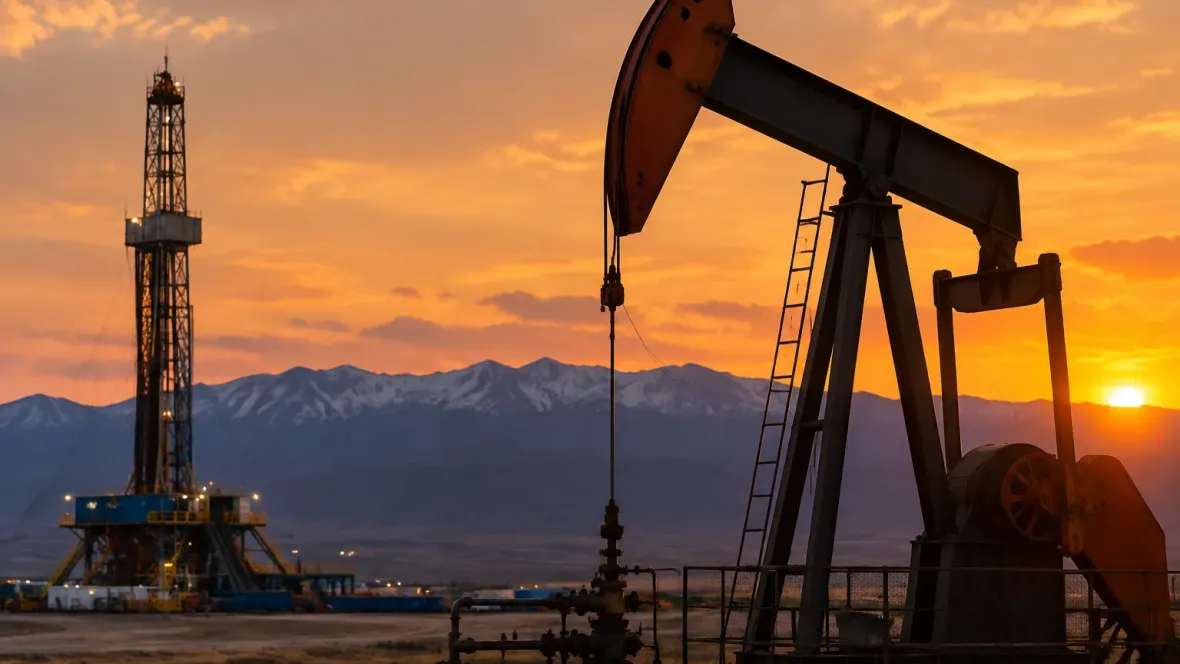
Turkish President Recep Tayyip Erdoğan said that Turkey has discovered around 135 million barrels of oil in two new fields in the south-east of the country; production at the Gaziler and Çardaklı fields began in October.
Assessment of reserves and theoretical value
135 million barrels is a preliminary estimate of the total volume of oil in the subsurface and, as noted, does not mean that all of this resource can be recovered. The theoretical value of these 135 million barrels is estimated at approximately $12.4 billion.
Turkish authorities have not yet published an estimate of recoverable reserves for the new fields or separate production figures for each field.
Current production in the Gabar region and plans to increase it
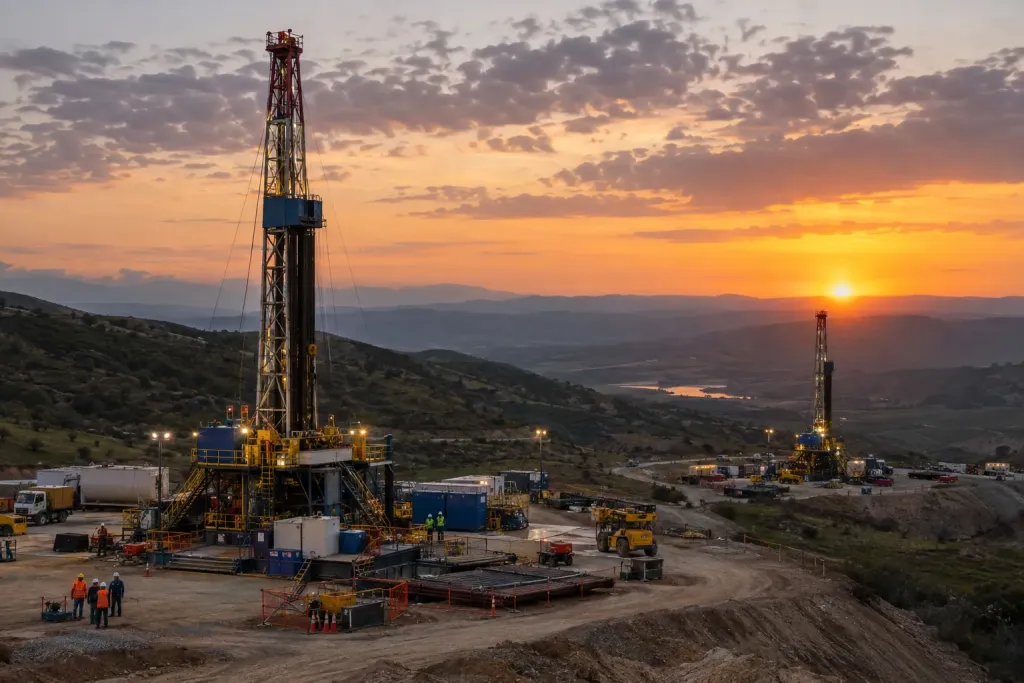
Currently, in the Gabar region in Şırnak province, 184 wells are operating, producing around 84,000 barrels of oil per day, which is approximately 8% of Turkey’s total oil consumption. Erdoğan said that production at the new fields should help raise daily output in the region to over 100,000 barrels in the second half of 2027.
“Thanks to the development work in Gabar and the commissioning of new wells, daily oil production in the region will increase by 30%,” Erdoğan said. The Minister of Energy and Natural Resources, Alparslan Bayraktar, confirmed the discoveries and linked the expansion of production to the implementation of the national energy strategy through 2040 and to the pursuit of energy independence.
Oil price forecasts from the rating agency
International ratings agency Fitch Ratings raised its forecast for the average Brent price in 2027 from $65 to $70 per barrel, and West Texas Intermediate (WTI) from $60 to $65. Fitch left its Brent price forecast for 2026 at $87 per barrel.
In its review Fitch noted: “We still expect a supply surplus on the global oil market in the fourth quarter of 2026, which will put downward pressure on prices. However, we have slightly raised our forecast for Brent in 2027 to reflect a geopolitical risk premium,” the review said.