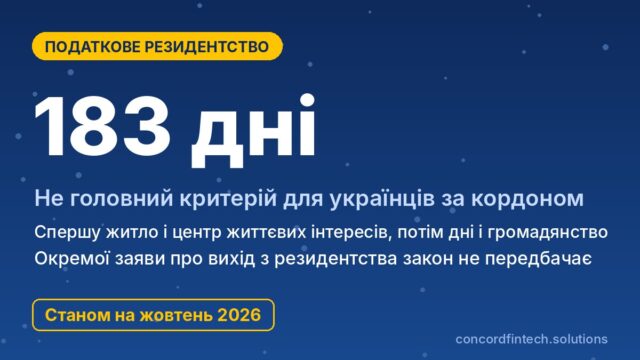




Selling used items via OLX or other online platforms in itself is not grounds for blocking a bank card, warns law firm Yankiv.
What the bank sees in payment data
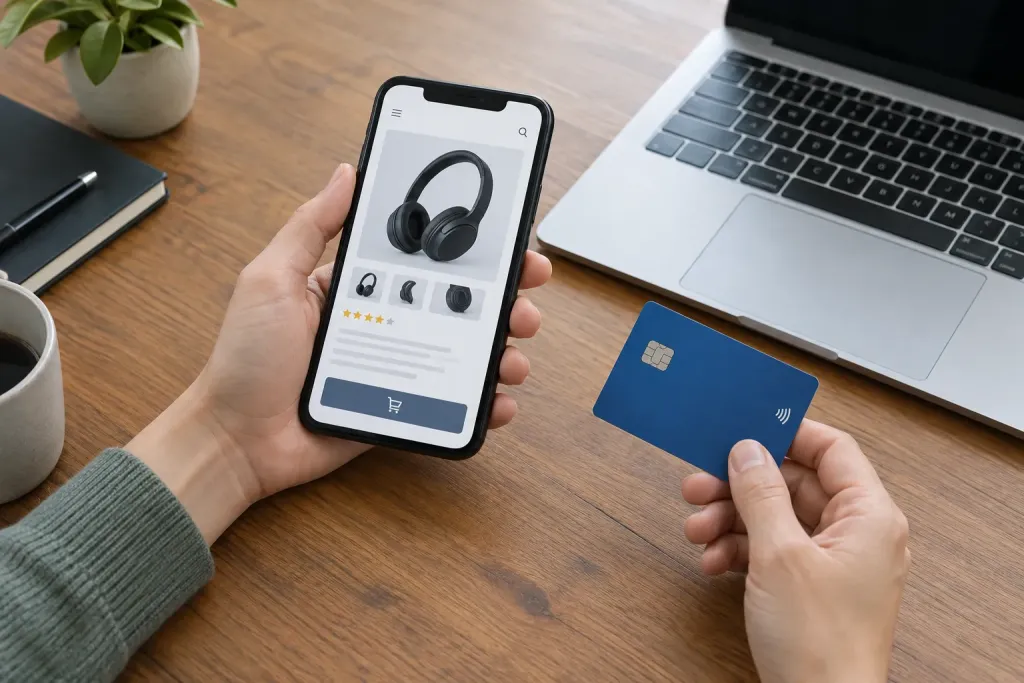
The bank only receives the payment operation details: the transfer amount, the sender, the recipient, the frequency of receipts and other technical data. Neither the product name nor links to listings are included in the bank’s payment data.
Therefore, it is the characteristics of the transactions themselves - not the fact that an advert was published on a marketplace - that give rise to checks.
When transactions attract the bank’s attention
A one‑off sale of a TV or a pram typically does not raise questions. By contrast, systematic incoming payments from different people, often for roughly the same amounts and with a recurring pattern, can attract the attention of financial monitoring.
The amount of a transaction is not the only criterion: even smaller transfers can be suspicious if they are atypical for the customer’s behaviour or show signs of risky activity.
Why the bank has the right to ask questions
Under the law, a bank is obliged to analyse transactions that may indicate risks of money laundering or the financing of illegal activities. It must assess whether a particular transaction is consistent with the customer’s usual behaviour and whether it contains any signs of risk.
The law does not require checks on every transaction: attention is paid to operations that stand out from the overall picture or carry risk indicators. If necessary, the bank may ask the customer to explain the source of funds and the nature of the transactions.
Where the line lies between selling personal items and trading
The sale of individual property - that is, personal items - is not regarded as grounds for financial or administrative liability for breaching tax law. If you occasionally sell things you no longer use, this is considered the sale of personal property.
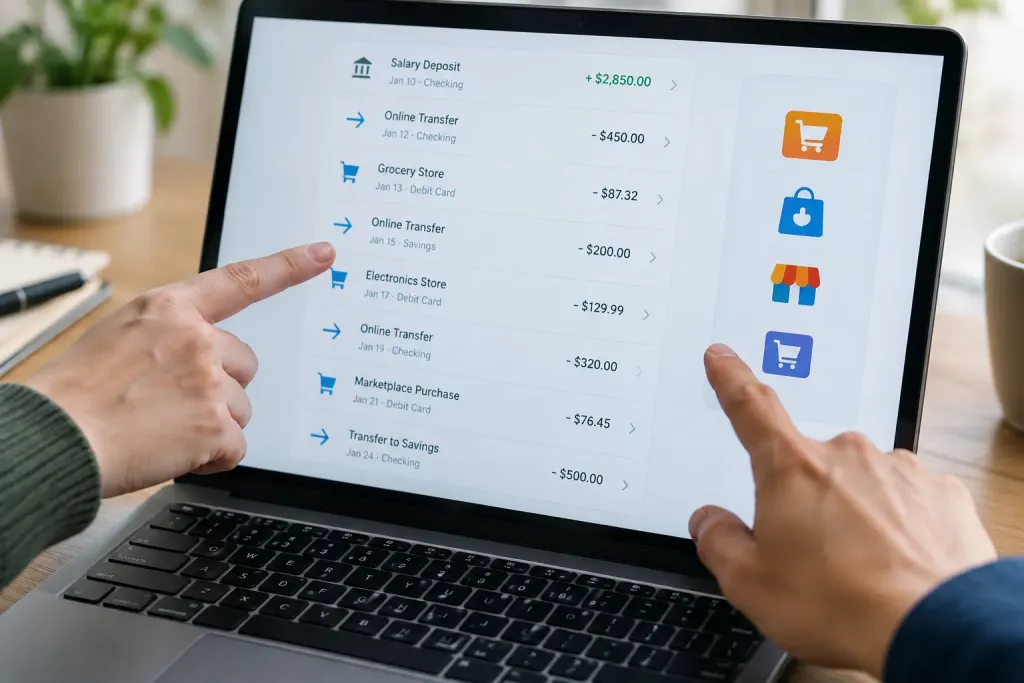
Signs of commercial activity emerge when selling becomes systematic and concerns a homogeneous range of goods. The Tax Service (the state authority that oversees tax collection) and banks focus their controls on such cases, not on isolated sales of household items.
For those who are effectively trading but not registered as a business, the tax authorities encourage voluntarily bringing the activity into compliance with the law; for an ordinary seller of their own items this is not an obligation.