

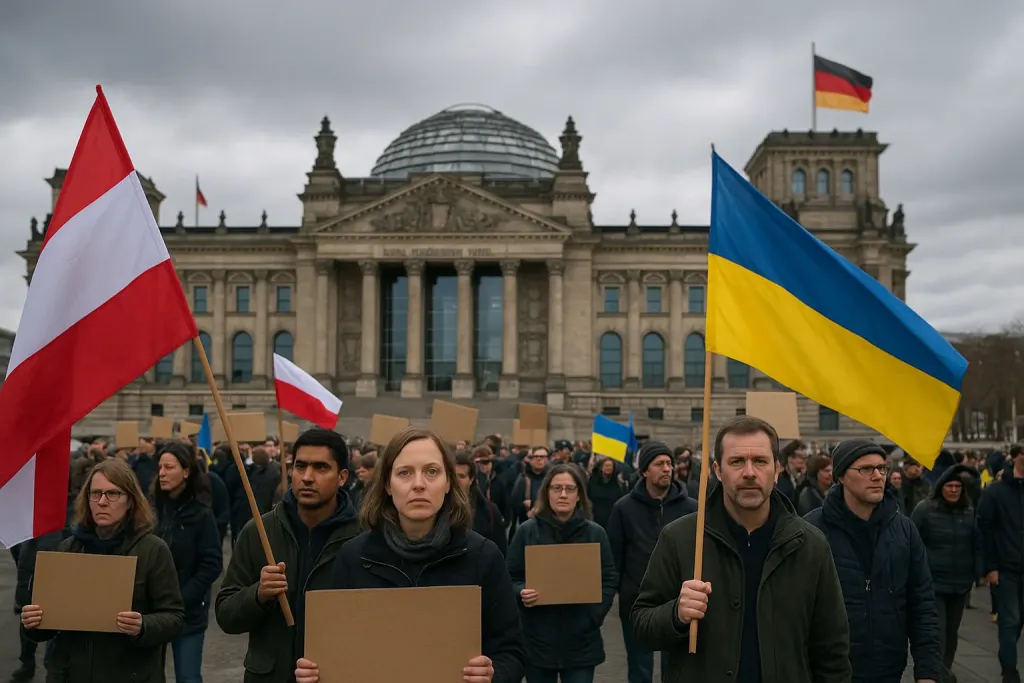
According to YouGov, 49% of people in Germany believe the country should reduce aid to Ukraine or stop it altogether, while 39% support maintaining the current level of aid or increasing it.
Distribution of responses regarding the level of assistance
In the survey, 49% of respondents chose the option to reduce or stop aid, 39% chose to maintain or increase it, and 11% were undecided. One in four survey participants believes that Ukraine should no longer be provided with funds, weapons and humanitarian assistance.
A further 24% expressed support for reducing assistance, 30% for keeping it unchanged, and 9% for increasing aid.
Party, age and regional differences in attitudes
Support for maintaining or increasing aid is strongest among voters for the Greens: half of those respondents want to keep the level of assistance, and 32% want to increase it. Among supporters of Alternative for Germany (AfD), 62% think aid should be stopped, and 27% think it should be reduced.
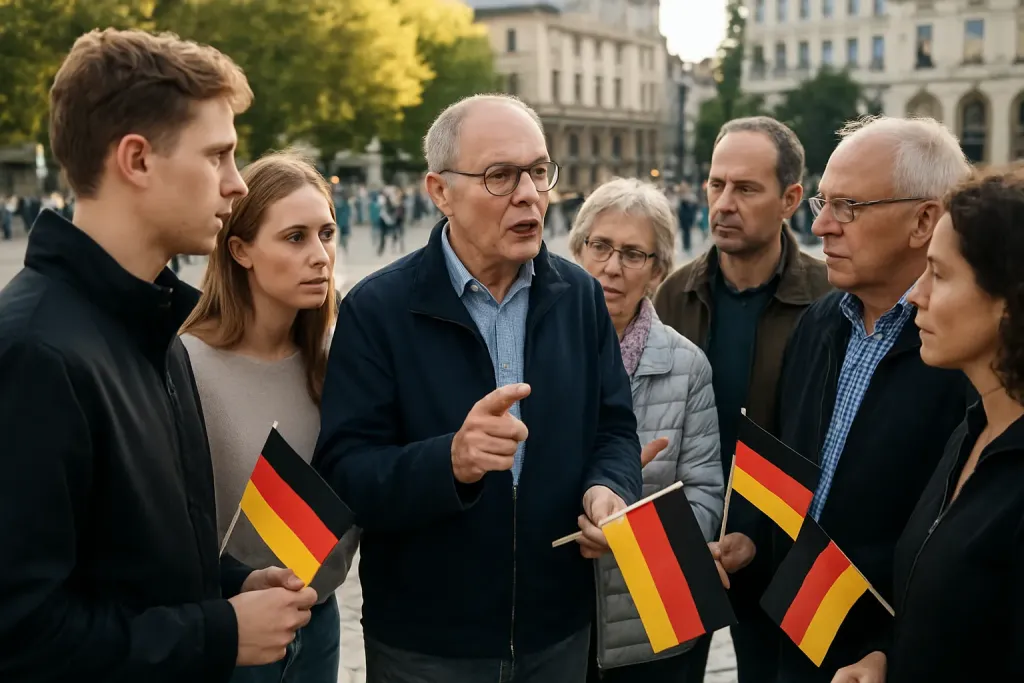
Responses among voters of the Christian Democratic Union and the Christian Social Union and the Social Democratic Party of Germany lie between these figures. Among supporters of The Left, 36% want to keep aid unchanged, and 16% want to increase it. The greatest support for aid to Ukraine is recorded in the age groups 18-29 and 70 and older.
In the western federal states, 42% of respondents are prepared to keep aid unchanged or increase it, whereas in eastern Germany only 25% of respondents support that option.
Estimates of Ukraine’s financing needs for 2027
On 9 November, German Chancellor Friedrich Merz, in a letter to the President of the European Council António Costa, called for priority consideration of Ukraine’s financing for 2027. According to him, Ukraine’s financing shortfall in 2027 will amount to 70 billion euros, of which around 45 billion should be covered by the European Union, and from 2028 it will require a multiannual solution within the next long-term budget.
Costa informed Merz that Ukraine’s needs for 2027 will be discussed at a special meeting of the European Council on 26−27 November. On 18 November the European Commission proposed a support mechanism of 45 billion euros for 2027: 25 billion is to go to military needs and 20 billion to budgetary support. According to European Commission President Ursula von der Leyen, Ukraine’s needs for 2026 are already covered, while a shortfall of 70 billion euros is expected in 2027; she also supported Merz’s proposal to link Ukraine’s financing to the EU’s long-term budget.