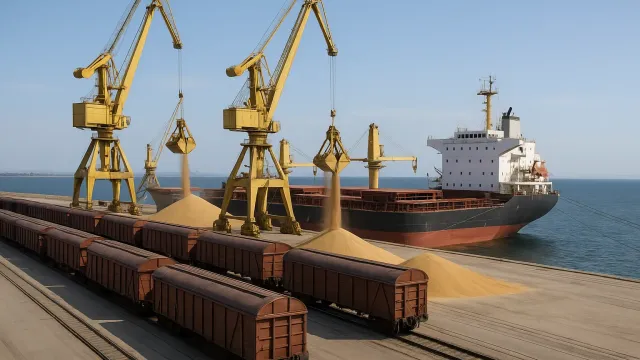




The European Commission (EC) has changed the European Union’s (EU) negotiating position on Ukraine’s accession, partly taking into account Polish demands to protect farmers and carriers. The changes concern the agriculture and transport sectors.
Restrictions on market access for agricultural products and subsidies
The new provisions allow for restrictions on access to the EU market for the most vulnerable Ukrainian agricultural products and for the introduction of special rules on subsidies for Ukrainian farms. Details, including the size of quotas and the duration of transitional periods, are to be determined when the relevant chapters of the negotiations are closed.
A Polish diplomat said: “the changes are moving in the direction of our demands.” France is also seeking guarantees for Ukrainian agriculture, while Ukraine insists that it will only accept proportionate and time‑limited transitional periods and opposes permanent exclusion of its farmers from the market.
Cabotage rules and domestic transport
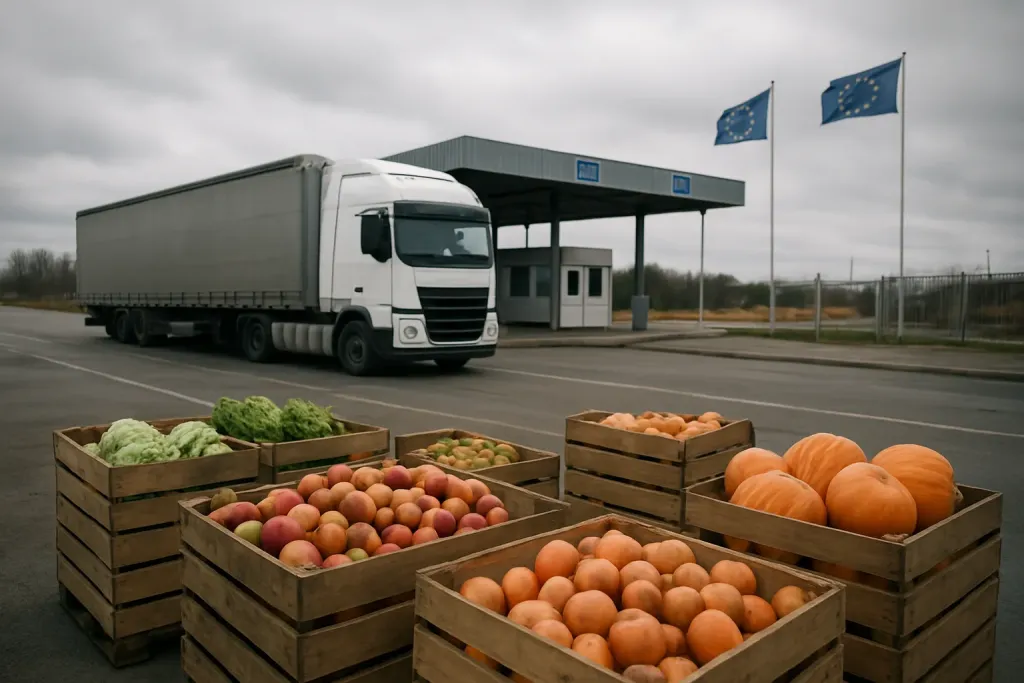
The text provides for a transitional period for cabotage - domestic transport operations carried out by foreign carriers. This is one of two negotiation areas that Ukraine seeks to open by the end of the year.
The EC plans to open both negotiation clusters with Ukraine by 15 December. Specific cabotage rules and other technical requirements will be agreed when chapters are closed and may require additional discussion.
Negotiation procedure and the role of Member States
Opening and closing the next stages of the negotiations requires unanimity among Member States, so Poland can block progress if it considers its interests are not protected. Because of this, clarifications and strengthened provisions remain a matter for negotiation.
The Committee of Permanent Representatives of the EU Member States (Coreper) on Friday, 20 November, approved the results of the screening of Ukrainian legislation for negotiation clusters 4 and 5, which allows proceeding to the next stage of the procedure for their official opening. Questions over the duration of transitional periods and the sizes of quotas may be discussed for months or even years.