



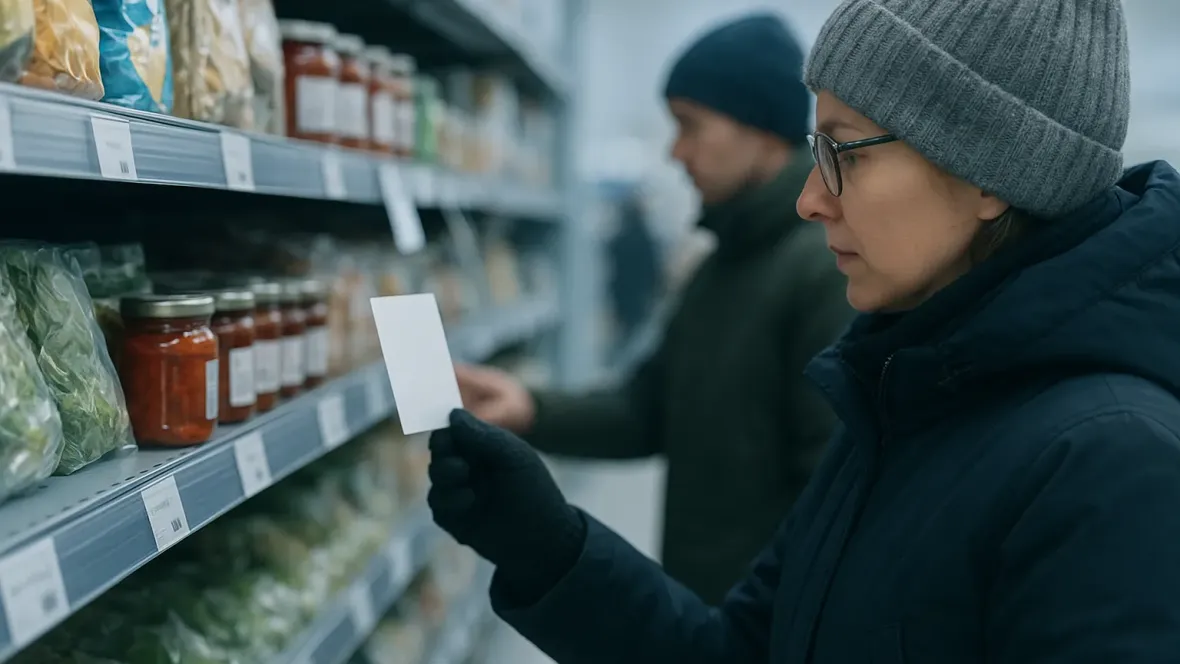
Denys Marchuk, deputy head of the All‑Ukrainian Agrarian Council, warned that this winter the cost of staple products in Ukrainian supermarkets could rise by 10−15%. He links this to strikes on the energy sector and disruptions to logistics.
Attacks on energy infrastructure and logistics as sources of additional costs
“The biggest financial burden for producers is not the cost of raw materials, but the enemy’s strikes on the energy system and, accordingly, on logistics. This strongly affects the final price on store shelves,” the speaker said.
According to Denys Marchuk, it is precisely power supply failures and difficulties with delivering products that create additional costs for producers and are passed on to final consumer prices. Seasonality also plays a role, but the current situation has distinct war-related factors.
Estimates of price rises and inflation indicators
Marchuk said that over the winter the dynamics of price increases for staple products in Ukrainian supermarkets could reach 10−15%, depending on the category.
“To sum up, the winter period will be marked by rising prices. On average this will be around 10−15% if considered by category. But we should not forget the inflation factor, which by the end of the year may exceed 12,5%,” said Denys Marchuk.
A comparison of food prices at the start of 2026 and in November-December shows that Ukrainian households’ expenditures may increase by roughly 12%. The National Bank of Ukraine (NBU) forecasts that the pace will slow to 5% only in 2028.
Availability of products on shelves despite the risks
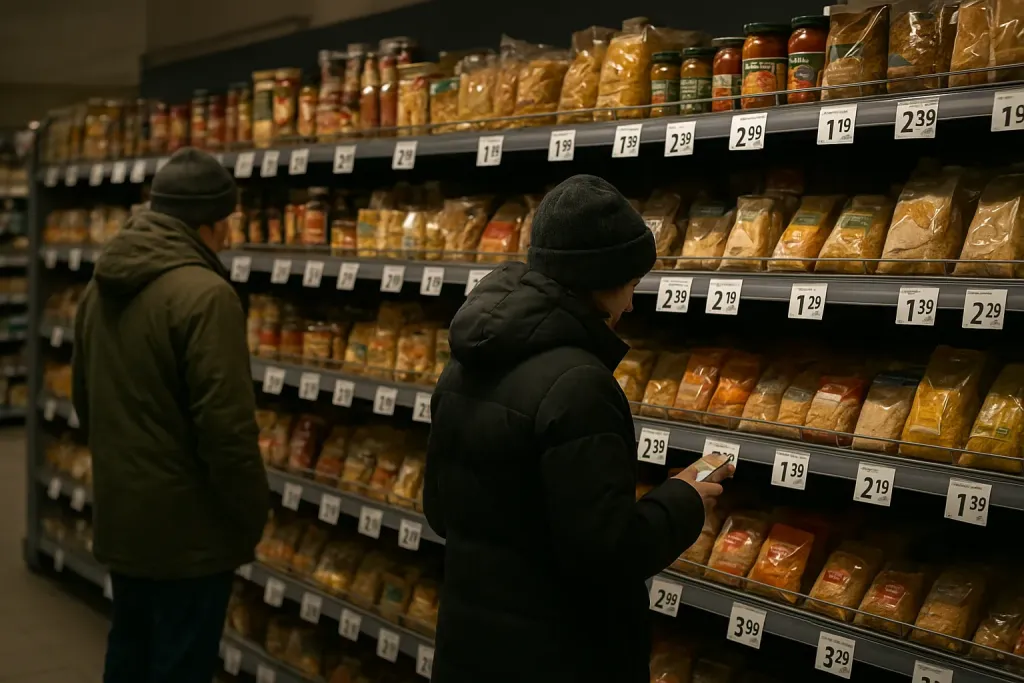
Marchuk also noted that, despite a possible reduction in sown area, there will be enough production capacity to meet domestic needs. On shelves, he said, there will be a surplus of meat, sunflower oil, milk and other products.
The assertions are based on estimates of production capacity and observations by agricultural experts; the listed product groups are cited as those that will be available in sufficient quantities.