


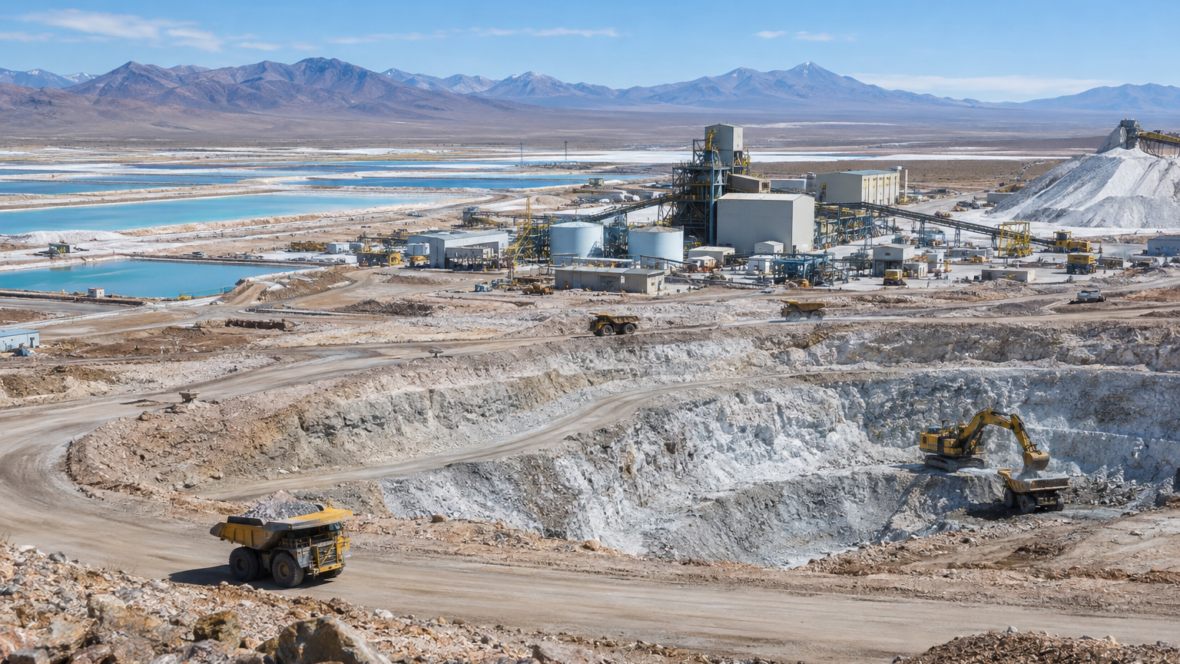
The world’s largest lithium deposit developed on an industrial scale is located in Western Australia and is known as Greenbushes Lithium Operations.
History of the Greenbushes deposit
The history of the deposit began in 1888 with tin mining, and continuous mining operations have made Greenbushes the oldest operating mine site in Western Australia. Lithium mining at the site began in 1983 after the first processing plant was commissioned.
Since then the complex has developed and been reconfigured to meet the needs of the lithium industry, in particular for the production of lithium concentrate and subsequent processing into chemical feedstock.
Capacity and expansion plans
The deposit is notable for its high lithium content in the ore, which helps reduce production costs. The site operates an open pit and four processing facilities: two producing chemical feedstock, one for technical-grade purposes and a plant for reprocessing beneficiation waste.
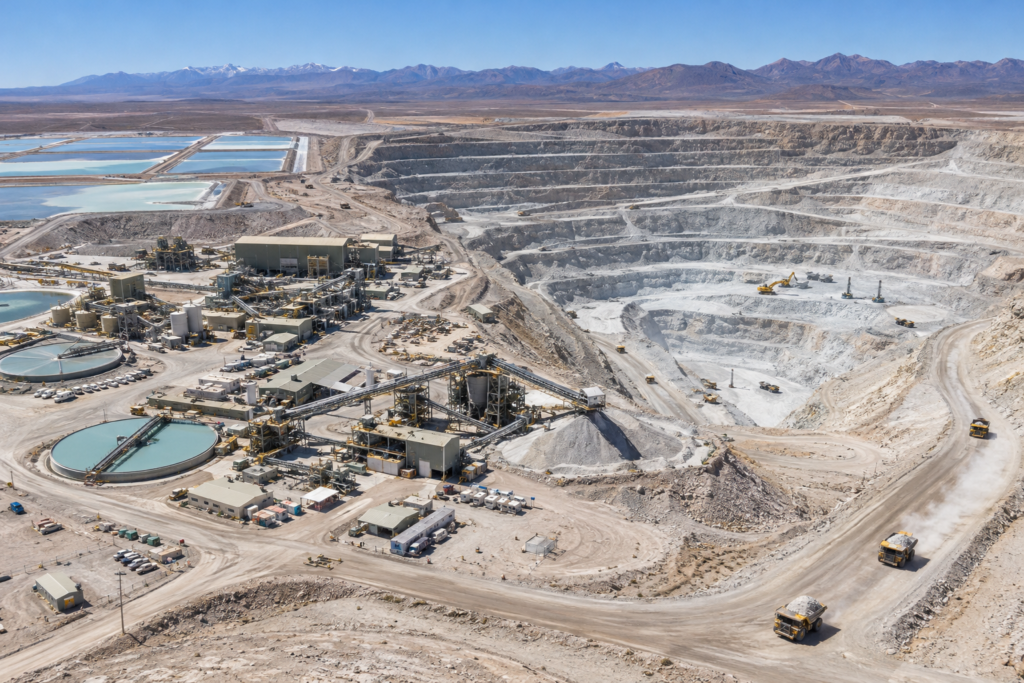
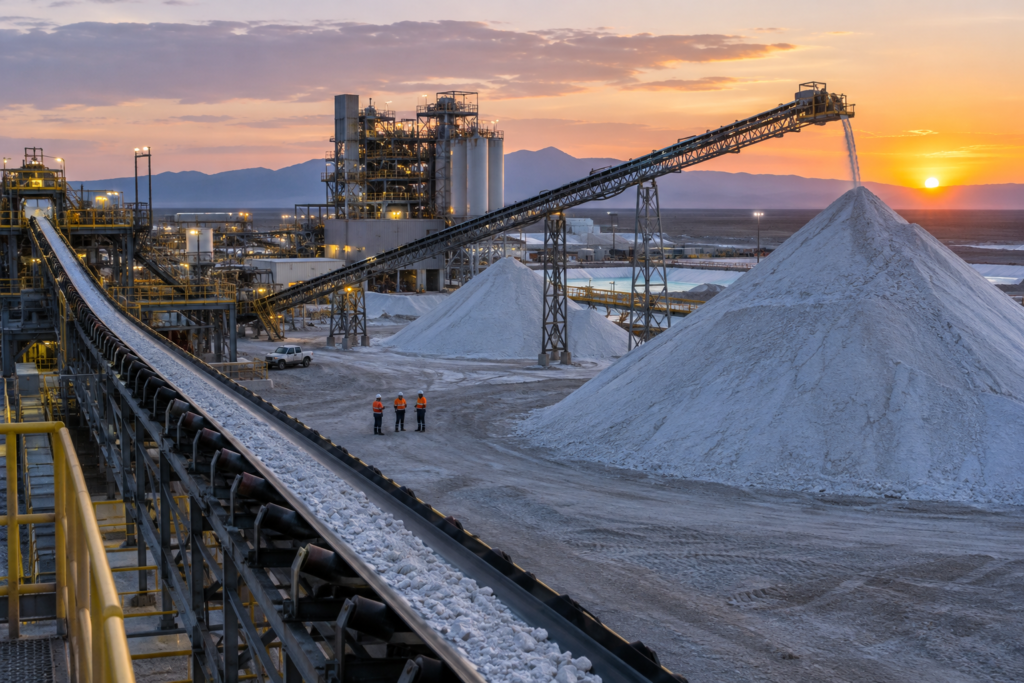
Existing capacities allow production of up to 1.5 million metric tonnes of lithium concentrate per year. A further facility, scheduled to start in December 2025, is expected to add 500,000 tonnes of annual capacity once it reaches full throughput.
Global production and market
Australia produced 92,000 metric tonnes of lithium in 2025; by comparison, China — 62,000 tonnes, and Chile — 56,000 tonnes. Ultimately, total production at Greenbushes could reach two million tonnes of concentrate per year provided 8.9 million tonnes of high-quality ore are processed annually.
Lithium prices rose sharply after CATL closed one of the world’s largest mines. The source text also reminds readers of China’s tightened export controls on rare earth elements, including germanium, gallium, antimony and samarium.