



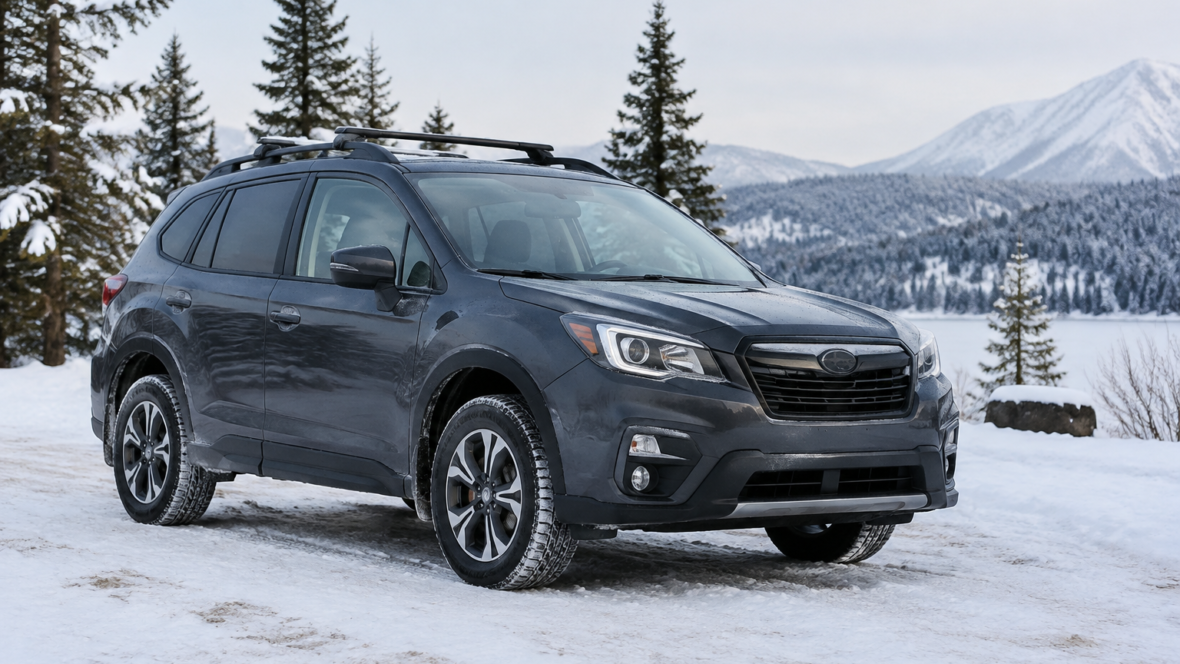
Before the onset of freezing weather, ten items for preparing a car for winter are listed.
Checking winter tyres
Summer tyres perform worse at low temperatures, so the list recommends using tyres designed for the cold season that maintain grip on cold asphalt and cope better with snow and slippery sections.
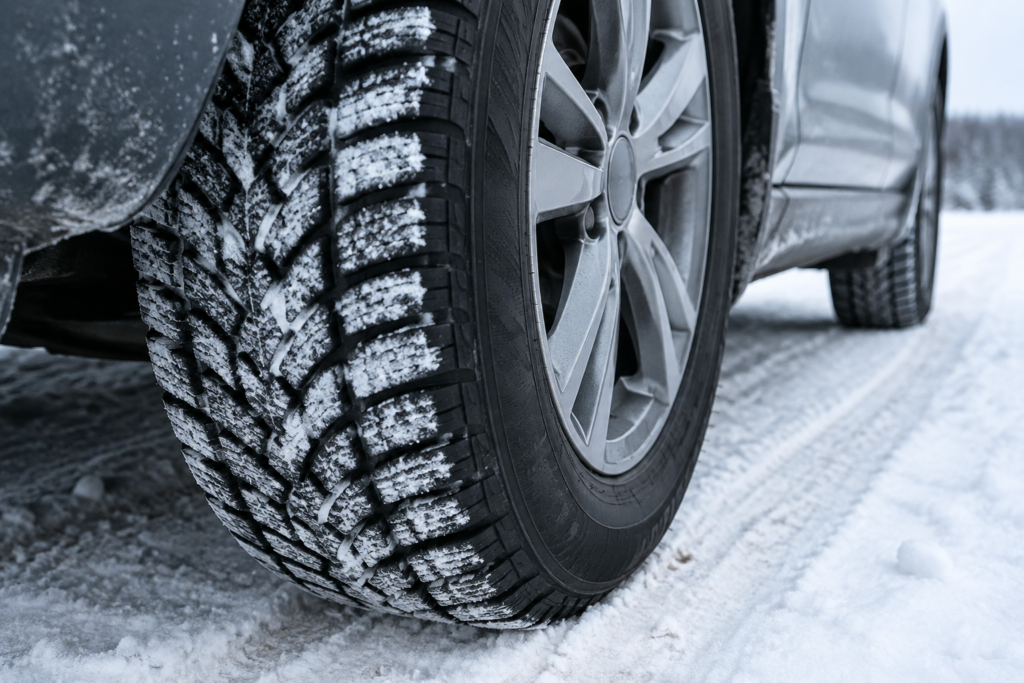
Before fitting a winter set it is recommended to check tread depth, the condition of the sidewalls and tyre pressure. The list also states that it is preferable to use the same type of tyre on all four wheels and to measure pressure on cold tyres in accordance with the manufacturer’s recommendations.
Battery, oil and antifreeze
In cold weather the battery supplies current less effectively, which can prevent the engine from starting: signs mentioned include slow cranking of the starter, noticeably dimming headlights or an aged battery. For testing it is recommended to go to a service station (STO), where they can measure the charge level and the cranking current.
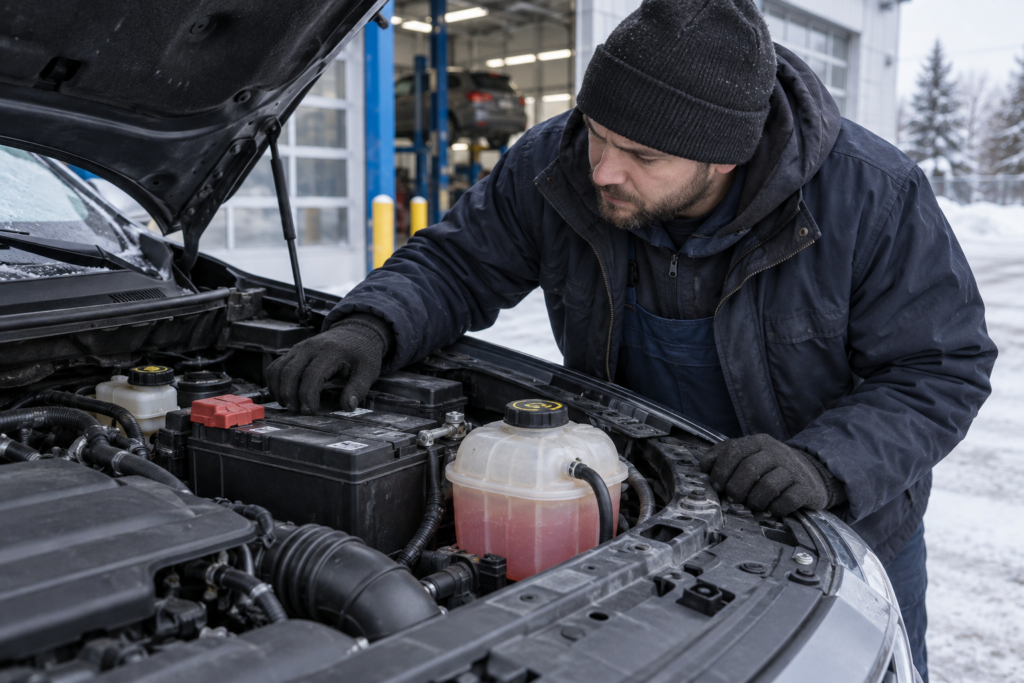
The list also emphasises inspecting the terminals for corrosion and secure connections; on serviceable batteries the electrolyte level should be monitored according to the manufacturer’s instructions, while sealed batteries should not be opened. Before the frosts it is advised to check whether the engine oil meets the manufacturer’s requirements and whether it is due for replacement by mileage or time.
Washer fluid, wipers, heater and brakes
The checklist recommends replacing summer washer fluid with winter fluid rated for the expected temperatures, and checking the wiper blades and jets for effective fluid delivery. If the blades leave streaks or squeak, they should be replaced.
The document also stresses checking the heating and windscreen demisting systems, the speed of cabin warm-up and the stability of engine temperature. For safety it lists inspection of brake pads and discs, the level of brake fluid, the operation of headlights and indicators, and checking the suspension and steering if deviations in performance are suspected.
Hoses, fuel system, winter kit and locks
The checklist recommends inspecting rubber hoses and drive belts for cracks, bulging or signs of coolant or oil leaks, and checking the body for corrosion risk from salt and de-icing agents. It is recommended to wash the car and inspect the sills and wheel arches, and to repair damage to the paintwork where possible.
Diesel owners are urged to check that the fuel is suitable for winter conditions because of the risk of waxing (paraffinisation); in petrol cars it is advised to monitor the condition of the fuel system. The list also mentions preparing a kit of items in case of getting stuck or a discharged battery, and protecting door seals and locks from freezing — carrying a lock de-icer is recommended.