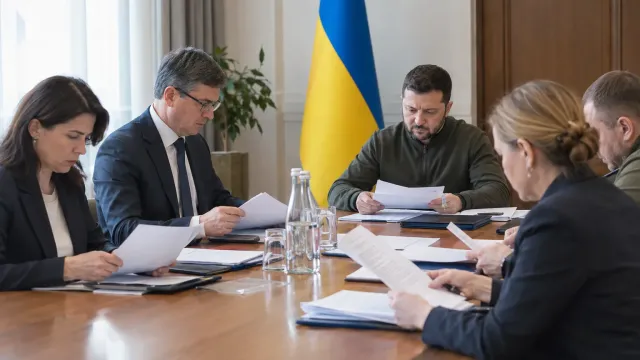


The United States is advancing an idea to restore deliveries of Russian natural gas to Europe via the Ukrainian gas transmission system (GTS), reports. The initiative is being discussed ahead of winter and envisages mechanisms designed to prevent proceeds from being used to finance the war.
How the sale and settlements would be organised
Under the plan, Russian gas would be sold to European buyers through an American intermediary. The idea was discussed in September during visits by US special envoys Jared Kushner and Steve Witkoff to Moscow and Kyiv.
Part of the plan is directing proceeds to a special escrow account in a third country; escrow is a mechanism under which funds are held in a separate account and cannot be used by the seller until certain conditions are met. US officials believe this approach would prevent Russia from diverting money to finance the war and could provide an economic incentive to agree an energy ceasefire.
Resistance from European governments and gas stocks
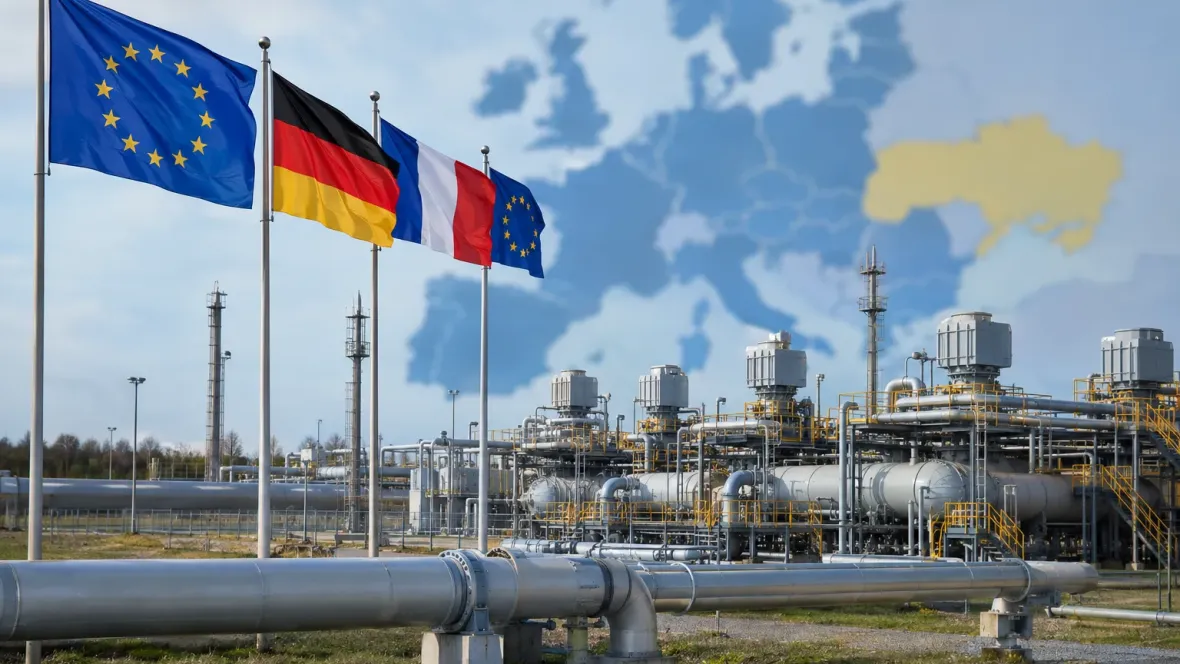
The main obstacle to implementing the plan is the position of European governments, which have already set a course to phase out imports of Russian gas by the end of 2027. European Commissioner for Energy Dan Jørgensen has previously spoken in favour of a permanent ban on Russian gas imports even if the war ends.
In private conversations some European officials have been critical of the initiative. At the same time, US officials expect that disruptions to liquefied natural gas supplies and falling storage levels (around 75%) could force some capitals to reconsider their positions.
Ukraine’s infrastructure and route comparisons
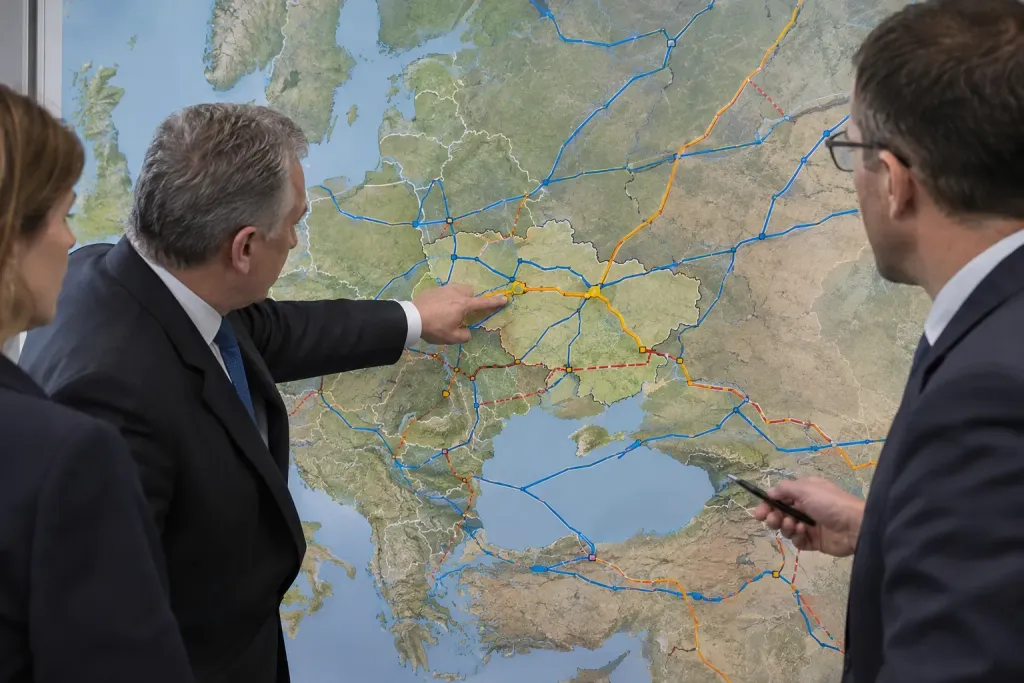
The advantage of the Ukrainian route is the existing gas transmission infrastructure, through which gas was previously delivered to Slovakia, Austria and Germany. Transit through the Ukrainian system stopped in January 2025 after the agreement between Naftogaz and Gazprom ended.
Bringing the damaged Nord Stream pipelines back online would require more time and the overcoming of political and regulatory obstacles, whereas the Ukrainian system, interlocutors say, could be restored almost immediately. Before the full-scale invasion, about 45% of the gas consumed in Europe came from the Russian Federation; today that share has fallen to roughly 11%, and about 30% of consumption is supplied by US liquefied natural gas.
Status of the negotiations and next steps
So far it is an initiative being pushed in the United States rather than an agreed deal. Restoring transit will depend on arrangements on an energy ceasefire, Kyiv’s position, the stances of European governments and Moscow’s willingness to accept the proposed conditions.