




War-related risks, rising prices and unforeseen expenses are forcing Ukrainians to pay closer attention to their savings. This article lists practical steps for building a reserve, allocating funds and protecting against financial risks.
How to build a financial reserve and allocate your money
A reserve is intended to cover essential expenses in case of loss of part of your income or other unforeseen circumstances — for food, utilities, medicine and other basic needs. The first goal can be a reserve covering one month of necessary expenses; later it should be increased to cover three to six months.

You can start saving with small amounts: if monthly income is 30 000 UAH, setting aside 5% or 1 500 UAH per month will yield 18 000 UAH in a year. Part of your savings should remain accessible for urgent expenses, while another part can be placed in a deposit or another financial instrument.
Access to funds, deposit terms and checking the contract
If all your savings are in a deposit that does not allow early withdrawal, it can be difficult to access them quickly. Therefore part of your funds should be kept in a form that allows you to use them promptly, and the rest in term deposits.
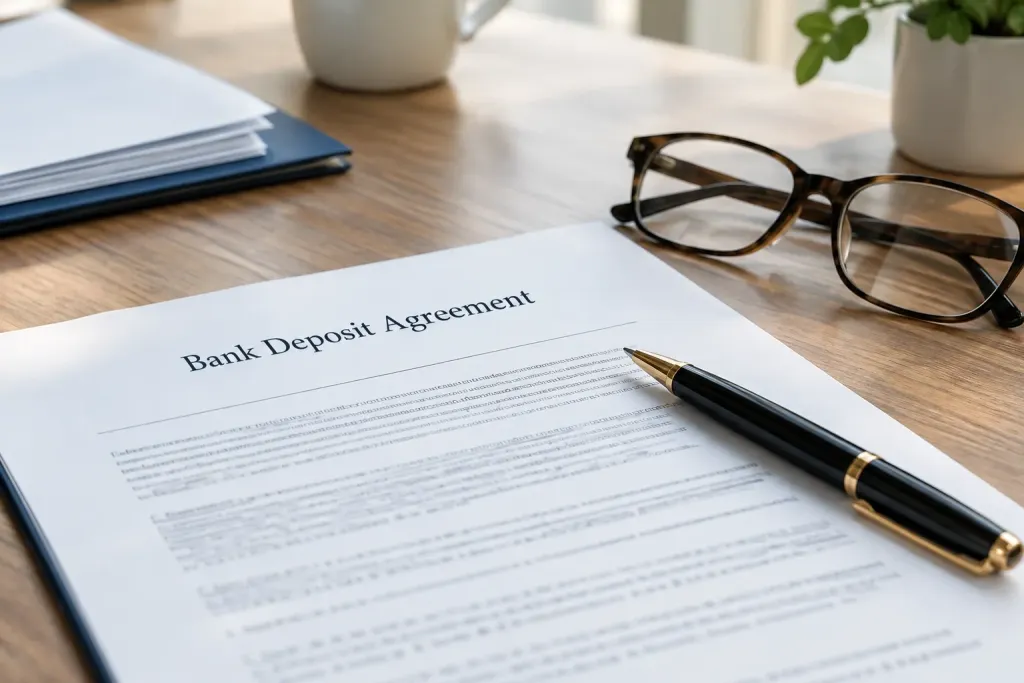
Before placing funds you should check the contract terms: returns, fees and the possibility of early withdrawal. If terms change or your income and expenses are adjusted, you may reduce the amount you save, but continue to set aside at least part of your income (in the example — from 1 500 UAH to 500 UAH per month).
Deposit guarantees during martial law and signs of fraud
Make sure the bank participates in the deposit guarantee system for individuals; this mechanism protects depositors’ savings in the event of a bank being withdrawn from the market. There are exceptions defined by law.
During martial law and for three months after its termination or cancellation, the Deposit Guarantee Fund for Individuals reimburses depositors the full amount of their deposits together with accrued interest.
Offers that promise to quickly multiply your savings, promises of high returns without risk, pressure to make an immediate decision and proposals to recruit others may indicate a financial pyramid scheme or fraud. Do not rush to transfer money without checking the offer.