




The Ministry of Health has allowed pharmacist interns and staff with a nursing qualification to be involved in dispensing medicinal products in pharmacies under the supervision of a pharmacist. The new rules cover both urban pharmacies and pharmacy outlets in other settlements.
Who may be involved in dispensing medicines
Specialists with a nursing qualification and pharmacist interns will be able to occupy positions as assistant pharmacists in retail dispensing of medicinal products. They will have the right to dispense prescription and over-the-counter medicines, but only under the supervision of a pharmacist.
“Such a decision is aimed at keeping pharmacy outlets operational where necessary in the face of staffing challenges,” the statement says.

Effective dates and previous rules
From February 2026 specialists with a nursing qualification have already been able to independently dispense medicines by e-Prescription (electronic prescription) in pharmacies and pharmacy points located in rural areas and in designated frontline communities.
Now, under the supervision of a pharmacist, pharmacist interns and staff with a nursing qualification are also being included in dispensing medicines in other types of pharmacies, to help address staffing issues and organise the operation of medicine sales points.
How to obtain medicines by e-Prescription
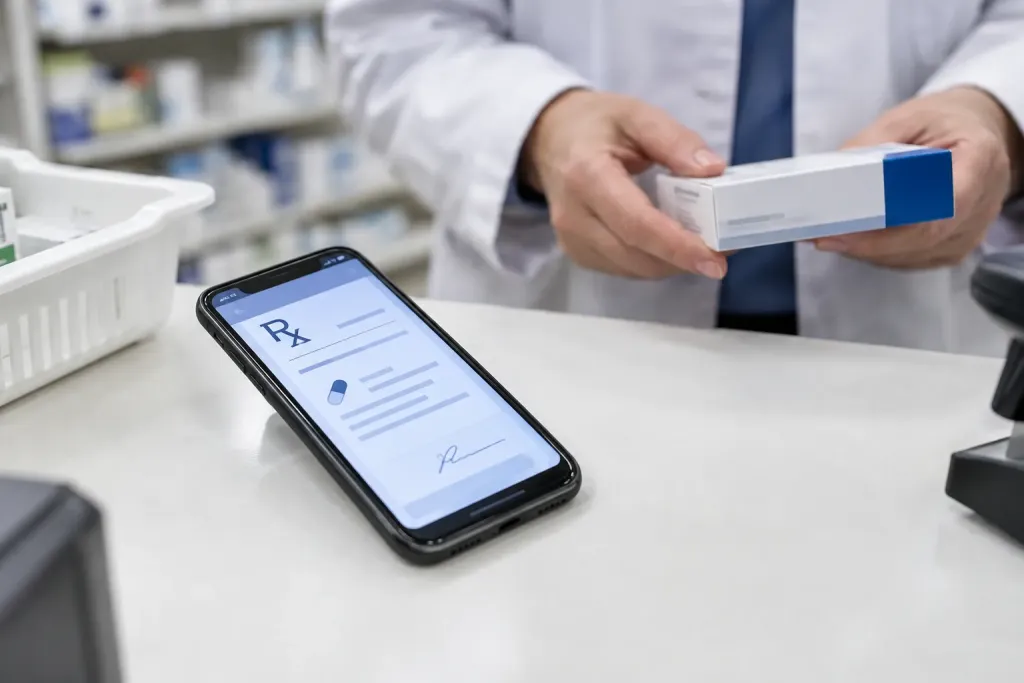
An e-Prescription is an electronic prescription. To obtain medicines by e-Prescription, a patient needs to provide the pharmacist with the e-Prescription number and its redemption code. The pharmacy employee will find the e-Prescription in the Unified Electronic Health System (UES) and, after verification, will be able to dispense the medicines.
While martial law is in effect, a doctor may prescribe prescription medicines either electronically or on paper. Exceptions are narcotic medicinal products, and medicines and medical devices subject to reimbursement — their prescription and dispensing are carried out only by e-Prescription.