




In 2024 losses from payment fraud in the European Economic Area (EEA) reached €4.2 billion, or about €480,000 per hour, according to the European Central Bank (ECB) and the European Banking Authority (EBA).
The largest share of losses came from fraudulent credit transfers — €2.2 billion, while card transactions accounted for a further €1.33 billion. Approximately 85% of losses from fraudulent credit transfers were borne by the payment service users themselves after being manipulated into initiating the transfers.
Structure of fraudulent operations and the role of users
Fraudsters increasingly obtain transfers not by hacking accounts but through social engineering: victims themselves transfer funds to the perpetrators’ accounts. A significant portion of losses in the credit-transfer sector stemmed from such authorised transactions.
Research found the manipulations included fake investment offers, counterfeit advertising and the use of messaging apps to persuade users of the payments’ legitimacy.

Online platforms as a channel for recruiting victims
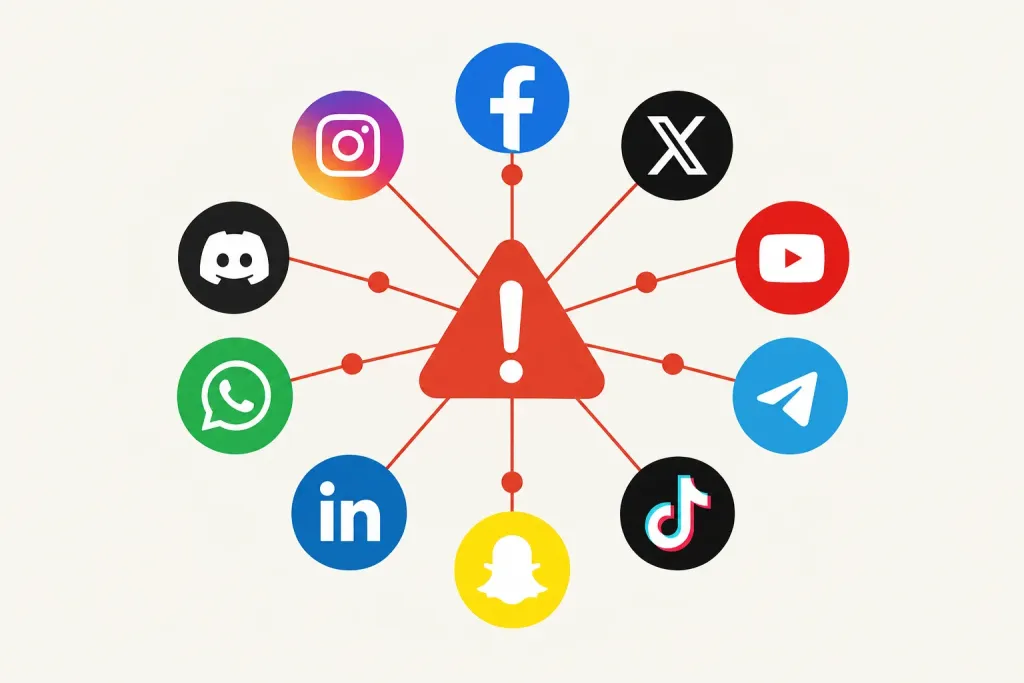
During Compliance Council discussions it was noted that online platforms have become one of the key channels for recruiting fraud victims. Revolut’s 2025 report states that Meta platforms were the source of 44% of recorded cases of authorised-transfer fraud among the customers covered by the study.
A Reuters investigation found that, by internal estimates, roughly 10% of Meta’s 2024 revenues may have been linked to advertising for fraudulent schemes and other prohibited goods and services. Meta disputed the accuracy of that estimate and said it had stepped up efforts to combat fraudulent advertising.
European Union initiatives to combat fraud
At a November Compliance Council meeting, European Commission representative Reka Horvat urged banks to do more to report suspicious fraud schemes on online platforms using the mechanisms of the Digital Services Act. The expansion of cooperation between financial institutions, payment companies and technology platforms is under discussion.
A continuing challenge is sharing information about suspicious transactions in compliance with data-protection laws. One example cited for discussion was the Dutch initiative Transaction Monitoring Netherlands (TMNL), which is being reconsidered to adapt it to new legal requirements.
New rules for sharing banking data and timelines
The European Anti-Money Laundering Authority (AMLA), together with the European Data Protection Board (EDPB), is preparing recommendations on lawful information sharing between financial institutions. New regulatory provisions that will permit such sharing within defined limits will come into force on 10 July 2027.
The aim of these changes is to improve detection of financial crime while ensuring customers’ personal data is protected. The EU is focusing not only on blocking fraudulent payments but also on preventing schemes at the stage of recruiting potential victims.