



The National Bank of Ukraine (NBU) in a statement NBU explained that high price pressures in October were driven primarily by higher fuel prices and the destruction of logistics infrastructure, which affected a wide range of goods.
Fuel rose by 53.9% year to year
Fuel inflation reached 53.9% year to year; over the month diesel and autogas rose the most. Diesel became more expensive due to higher world prices, complications with imports and increased demand from generator owners.
Autogas prices increased because of reduced supply amid damage to refuelling stations and logistical import constraints. This was compounded by higher propane and butane prices in Europe caused by disrupted deliveries and seasonal demand growth.

Price movements in food: vegetables, sugar, bananas, chicken and eggs
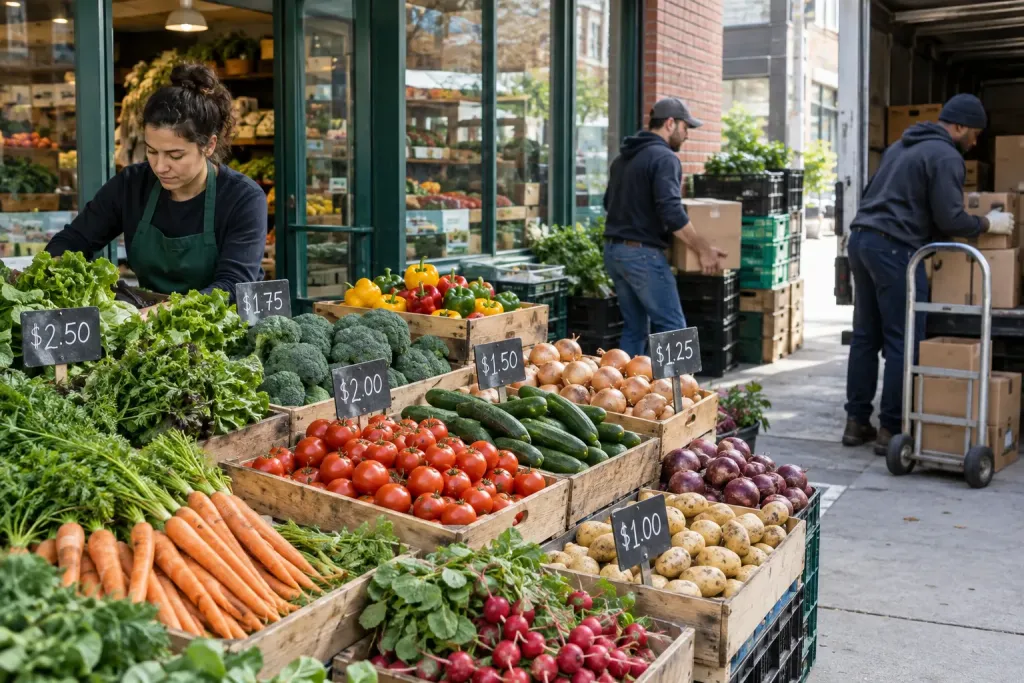
Growth in raw food prices slightly accelerated to 6.8% year to year. The prices of borscht-set vegetables rose faster because of smaller harvests and higher storage costs, while sugar rose in anticipation of lower production due to the reduction of areas sown with sugar beet to a 35-year low.
Banana prices accelerated because of more expensive import logistics amid the blocking of seaports. The decline in chicken prices slowed because of rising production costs caused by power outages and the widespread switch of poultry farms to diesel generators; labour shortages led some farms to cut production.
Dynamics of egg and cucumber prices and the use of artificial intelligence in business
Egg prices fell after a sharp rise in September, while year on year cucumbers became cheaper due to a high base of comparison. This reflects divergent movements across specific food groups.
Based on two waves of a survey in the second quarter of 2025 and the third quarter of 2026, the use of artificial intelligence (AI) by Ukrainian enterprises is at an early stage but is noticeably accelerating: the share of firms already using AI rose from 13.1% to 23.4%; the share of those considering it increased from 19.9% to 29.8%.