


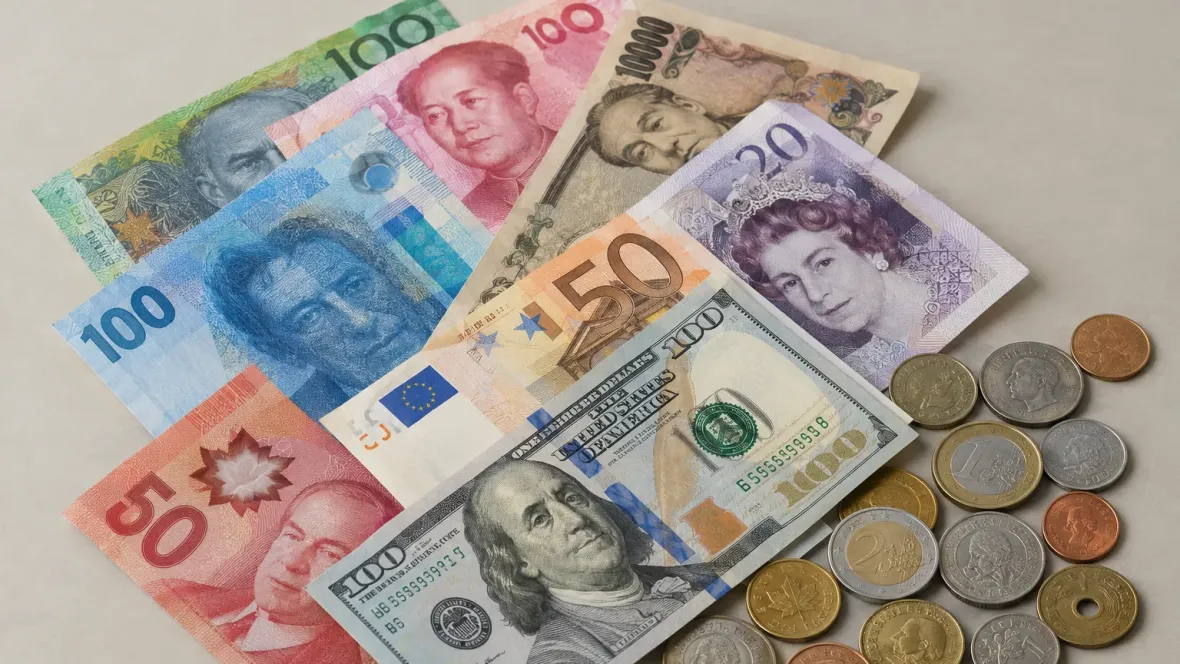
According to the Bank for International Settlements (BIS), in a study published on 6 November, of 568 national currencies in the period 1850-2026, 405, or over 70%, ceased to exist, and the median lifespan of a monetary unit is 33 years; the study states.
Currency lifespans
Researchers analysed 568 currencies across six continents, including colonial, territorial and military monetary units. Nearly one in four currencies (23%) existed for less than ten years, while about 12% lasted more than a century.
The average lifespan of a currency is roughly 52 years, whereas the median is 33 years. According to survival estimates, half of monetary units cease to exist within 44 years of introduction, and the highest risk of disappearance occurs in the first decade of existence.
Reasons for the emergence and disappearance of currencies
Researchers found that new currencies most often appear for political reasons, primarily after countries gain independence; this factor accounts for 27.5% of cases of new currency emergence. New currencies also arose in connection with territorial or administrative changes.
The main reasons for the cessation of currencies are predominantly economic. A change of currency does not always indicate an economic crisis: sometimes it is a technical monetary reform or a transition to a common currency.
Dynamics of the number of currencies worldwide
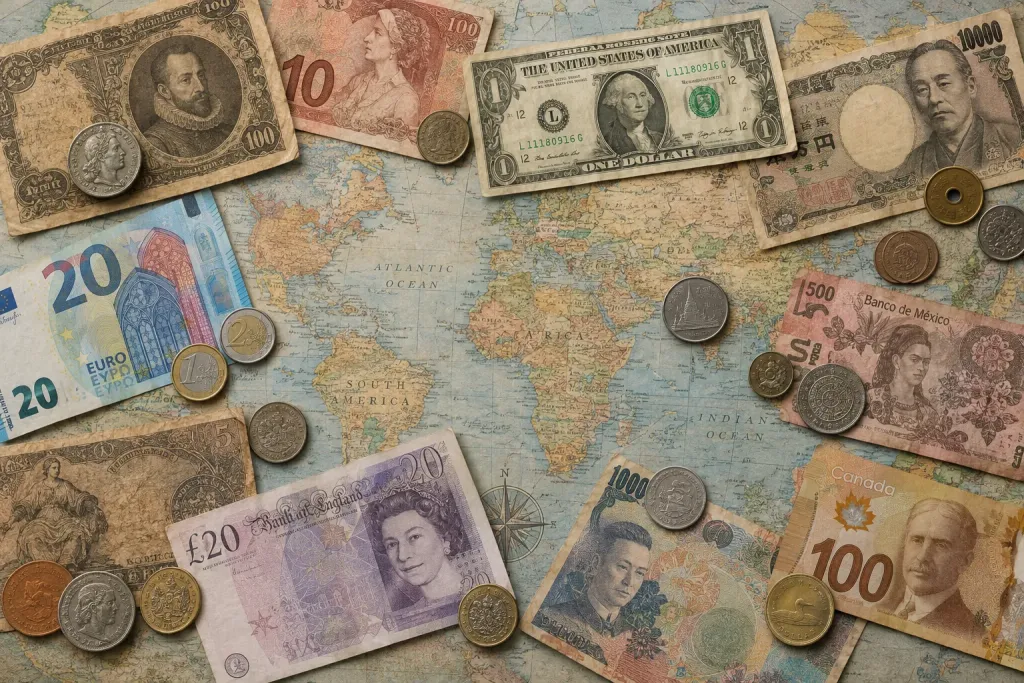
The number of national currencies rose from roughly 67 in 1850 to a record 192 in 1994, with a significant increase observed after the dissolution of the USSR. By 2026 the number of currencies had fallen to 163.
One of the main reasons for the decline was the introduction of the euro, which replaced 23 national currencies. Other currency unions and the dollarisation of certain economies also contributed to the reduction.
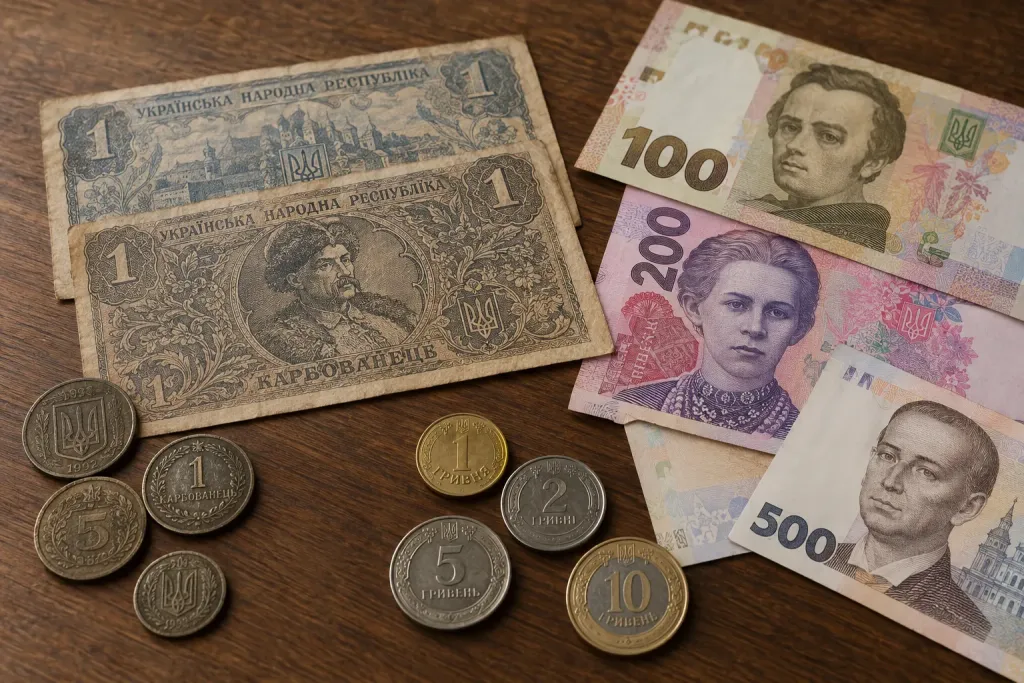
Currencies used in Ukraine
According to the researchers’ classification, five different currencies were used on the territory of Ukraine during the analysed period, of which one remains in circulation. The Ukrainian hryvnia and the first issue of the karbovanets in 1918 were included among the monetary units with the shortest lifespans: each of them, by the authors’ methodology, existed for less than a year.
The study also lists examples of the longest-lived currencies: the British pound sterling before the switch to a decimal system - 1 171 years and the French livre - 1 014 years. The oldest currency still in circulation was named the US dollar, introduced in 1792.