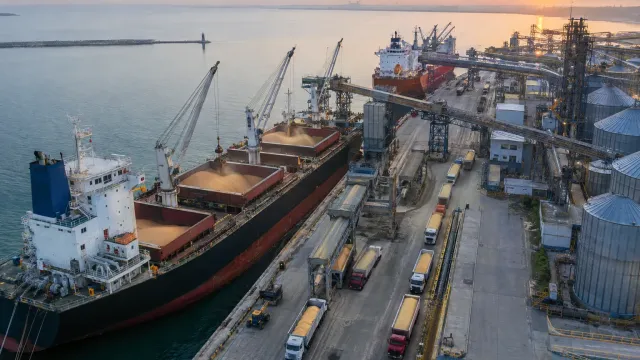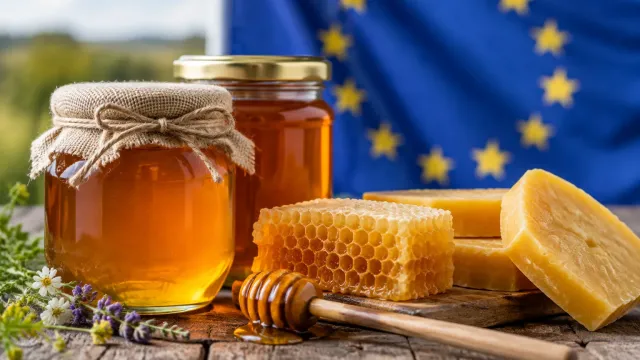



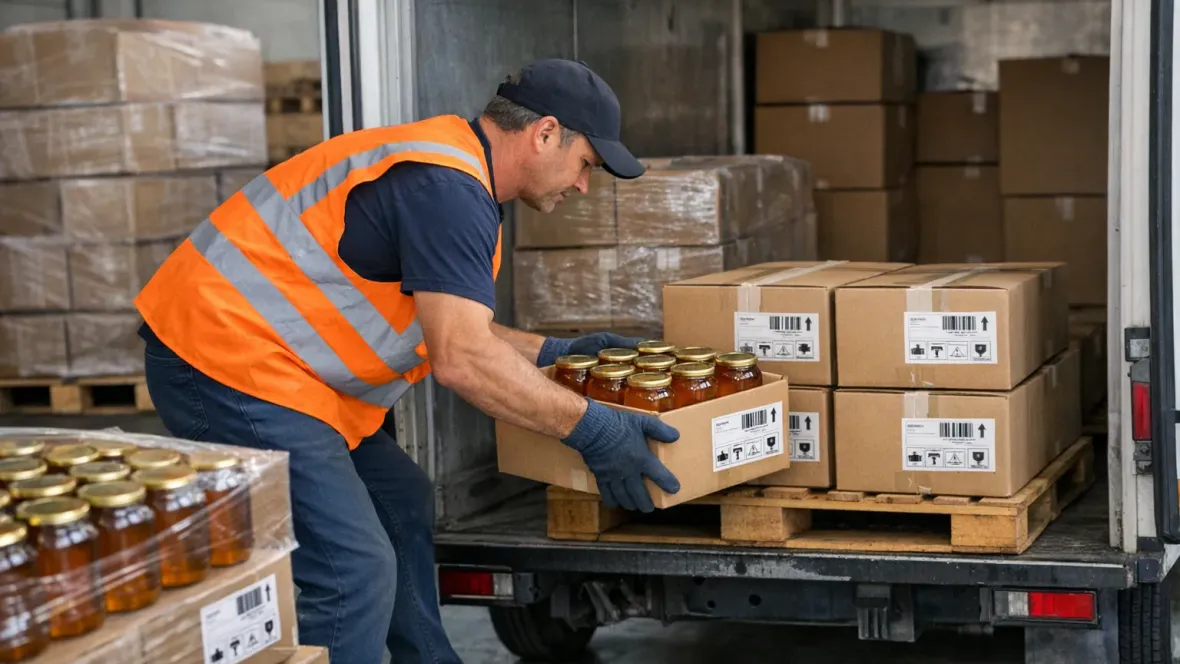
Semen Haharin, chief executive officer of Beehive, said that due to rising logistics and production costs Ukraine risks losing part of its honey export markets. The cost of ground logistics has increased by 30−50%.
Rising logistics costs and impact on margins
According to Haharin, exporters are forced to give part of their contract margins to carriers because of higher tariffs. “Under such conditions we hand over part of the contract margin that we have to the carrier. For importers in the EU this is not so critical, because they receive a delivered price, whereas for exporters it is an additional cost and a significant reduction in profitability,” Haharin explained.
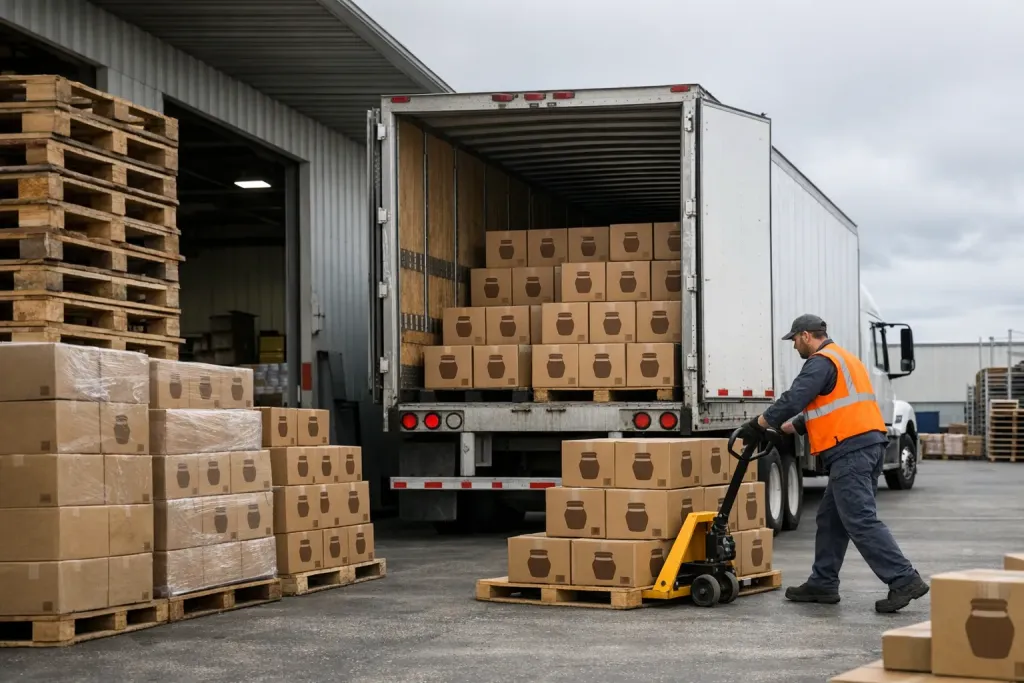
Rising logistics and production costs make Ukrainian honey less price-competitive on foreign markets. This directly reduces exporters’ profitability and forces them to reassess supply terms.
Export forecasts and stocks for 2026-2027
Haharin predicts that by the end of 2026 Ukrainian honey exports will amount to 45−55 thousand t, and expected foreign currency receipts will exceed $150 mln per year. Last year exports totalled 50 thousand t.
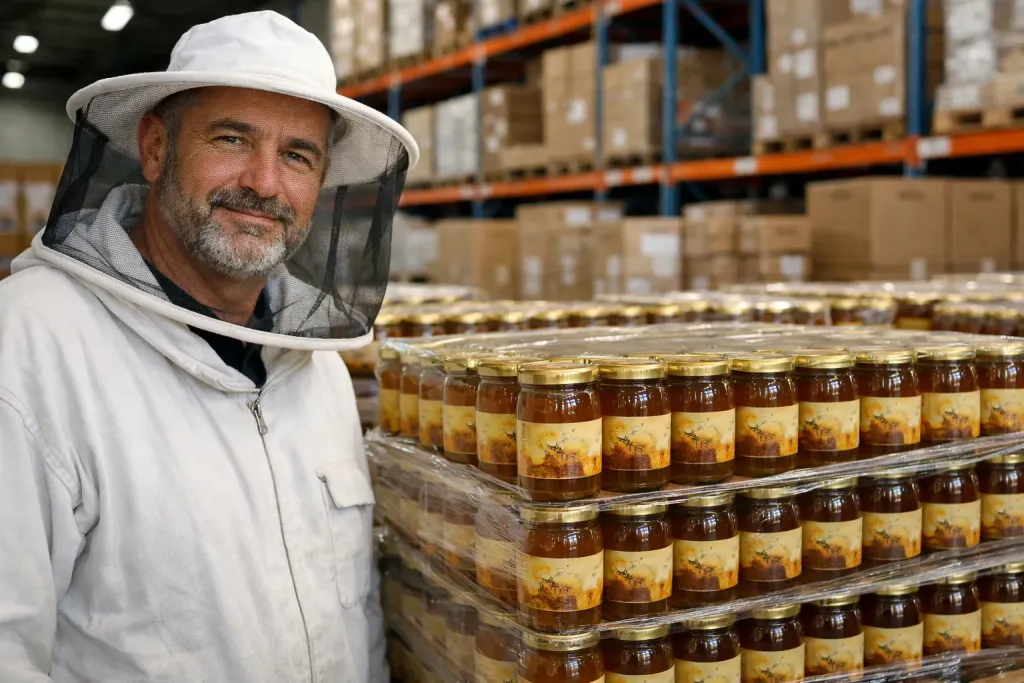
In the second half of 2027, the expert forecasts that the question of continuing exports may come to a head, and a significant decline in overseas sales is possible if costs continue to rise and the duty-free quota in the EU comes to an end. Honey stocks in Ukraine in 2027 could reach 10−15 thousand t.
Quotas, competitors and market reorientation
The CEO of Beehive noted that extending or increasing export quotas could change the scenario: the current quota is 35 thousand t per year; its extension into 2028 or an increase of 20−30% would affect the ability to export.
An additional risk is competition from other suppliers and changing importer preferences in the EU. “At present it is impossible to ramp up exports to countries outside the EU because we simply would not be price-competitive in those regions. The US and North America buy cheaper honey from India. The Middle East, Japan and the rest of Asia - almost all their volumes are bought from China,” Semen Haharin explained.