

According to the Centre for Economic Strategy (CES), after the Russian attack on 20 November Ukraine completely scaled back electricity exports, while imports reached their highest level since mid-June.
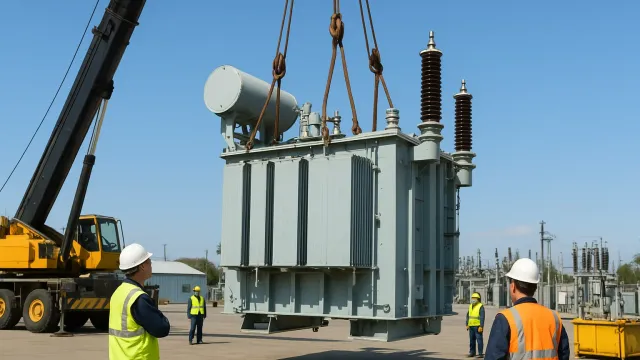
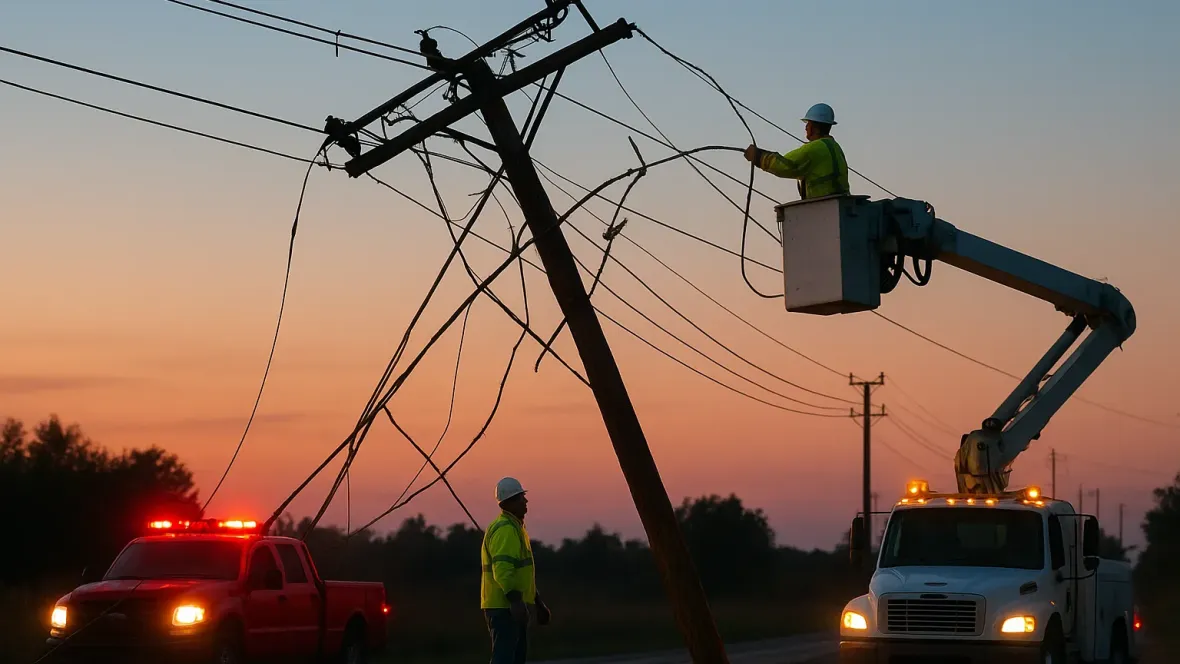
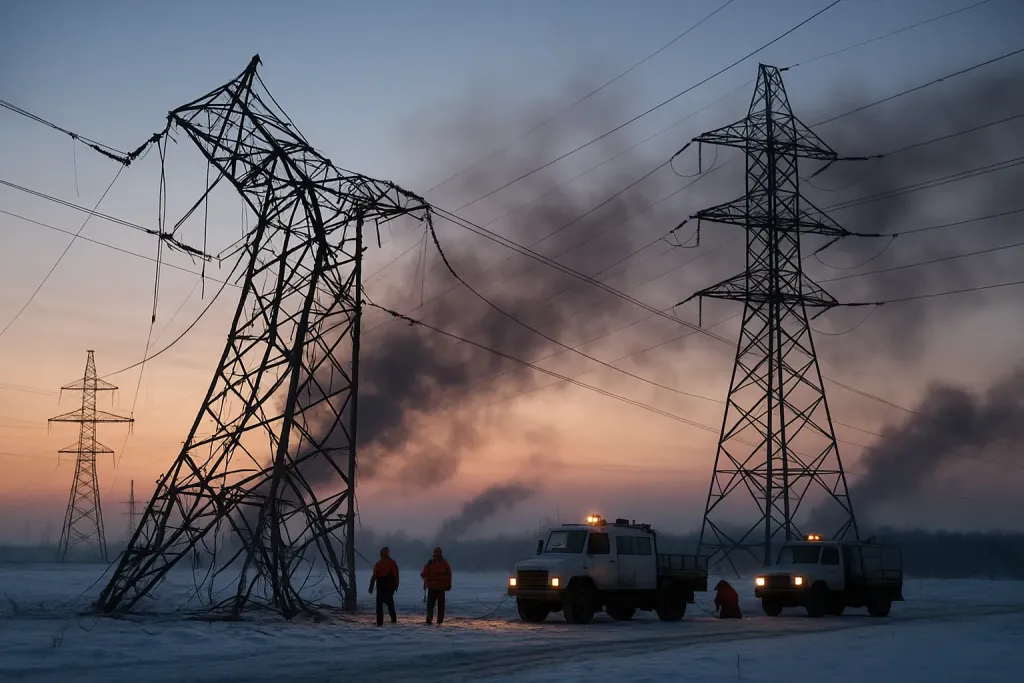
Since September Russia has carried out over 1,000 strikes on the energy sector, damaging generation and high-voltage substations that deliver electricity to consumers. “It is the damage to the transmission networks that explains why Ukraine continued to export electricity even during prolonged outages - excess power in some regions could not make up for its shortage in others,” the CES explains.
After the attack on 20 November the situation worsened: Ukrainian nuclear power plants (NPPs) were forced to reduce generation because they could not transmit the electricity produced to consumers.
According to Energy Map, on 21 November imports surged by approximately 3.5 times - from 5.7 gigawatt-hours (GWh) to 19.6 GWh, while exports fell from 7.3 GWh to 0.8 GWh. On 22 November electricity exports stopped completely.
The volume of imports gradually fell over the week: on 24 November to 15.4 GWh, on 25 November to 10.3 GWh, on 26 November to 7 GWh. Ukraine buys most of its electricity from Hungary.
The CES also notes a shortfall of funds for repairing the energy sector: in October the Energy Support Fund signed contracts for 200 million euro, but of the nearly 800 million euro received this year from the fund’s donors about 450 million euro are still missing. The needs assessment preceded the latest wave of attacks at the end of November.