

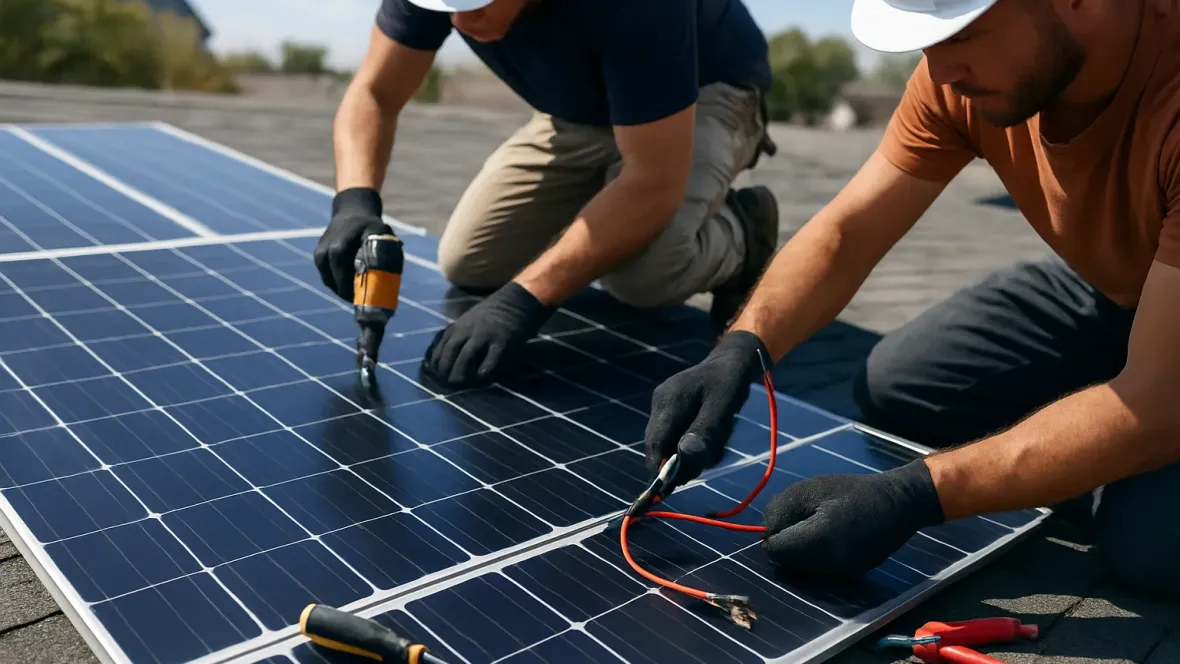
Households across Europe are accelerating installations of solar panels ahead of planned changes to subsidies and taxes, according to a report by euronews. According to guidance on gov.uk, from 1 April 2027 the rate of VAT (value-added tax) on energy-saving materials for owner-occupied homes in England, Scotland and Wales will revert to 5%.
Installation timelines and permits
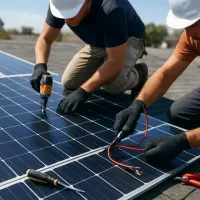
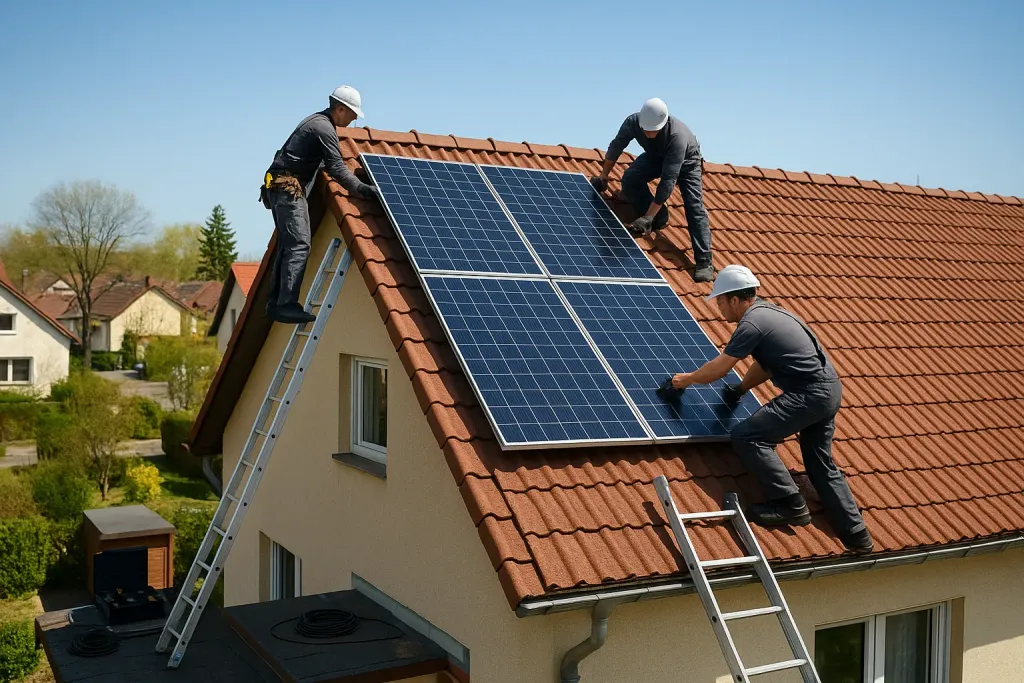
A typical rooftop solar installation takes one to two days, but obtaining building permits and grid connections can take much longer. Licensing times vary by country: a report by OECD cites spans from six weeks in Malta to ten months in Bulgaria.
Some countries have reduced regulatory barriers: “Since then the country has simplified the process for homeowners by removing the requirement to apply for permits for solar systems up to 20 kilowatts intended for self-consumption”, the article says. At the same time, Germany has reported multi-month connection delays in Saxony, sometimes exceeding a year.
Supply chain and connection delays
Industry representatives say that weather and logistics affect timelines. Edward Gurney, founding director of the British company Solar and Battery Company, notes that getting approval from electricity companies can take four to five weeks even in normal conditions.
He adds: “A significant proportion of solar equipment is manufactured in China, and obtaining replacement batches can take around six weeks.”
Seasonality of production and subsidy changes in 2027
Waiting for better weather can delay systems reaching full output: according to the European Environment Agency, in January last year solar energy produced less than 5% of EU electricity, rising to more than 20% by May. In Germany alone, 74% of the solar electricity fed into the grid last year was produced between April and September.
Beyond the VAT change in the United Kingdom, several European countries are preparing changes to subsidies and tax breaks in 2027, prompting some homeowners to accelerate panel installations to benefit from current terms.