


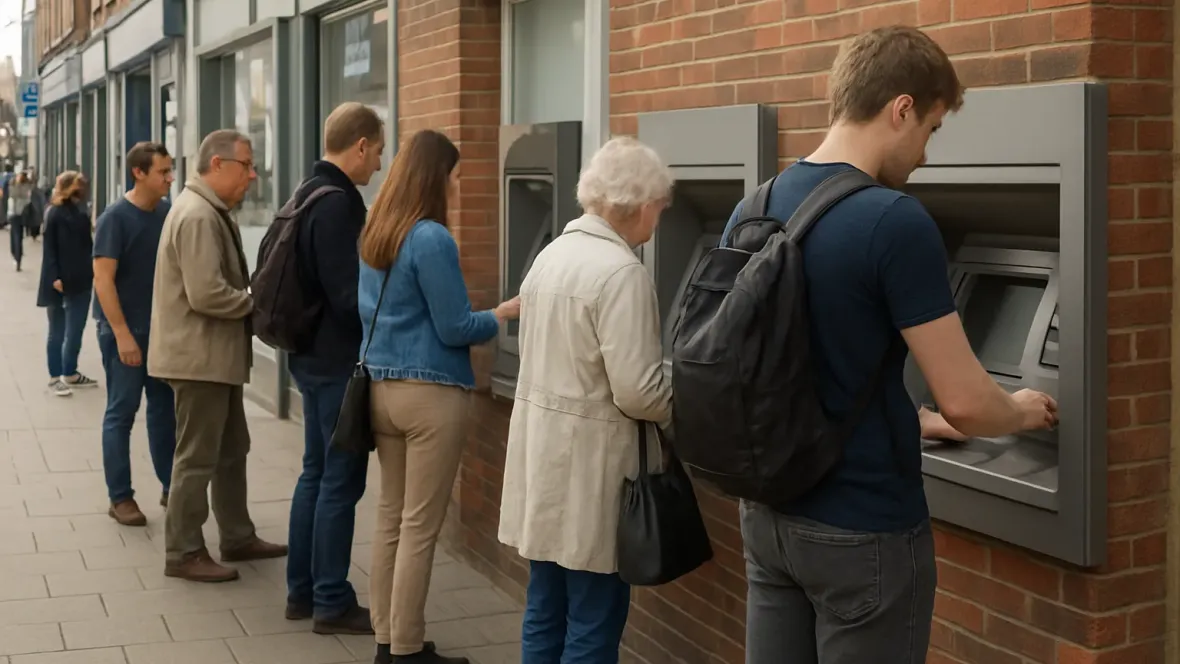
According to the Bank of England, households in the United Kingdom withdrew approximately £700m more from banks than usual over the past five weeks.
Increase in withdrawals and comparison with previous years
Over the five-week period, cash withdrawals were roughly twice as large as in the same period over the previous three years. The only comparable episode in the 21st century was in October-November 2009 during the financial crisis.
The regulator noted that the number of withdrawal transactions did not rise in proportion to the total amounts: people were taking out larger sums per transaction. Separate data also showed increased demand for long‑life foodstuffs and hygiene products.
Rise in cash in circulation and the per‑person equivalent
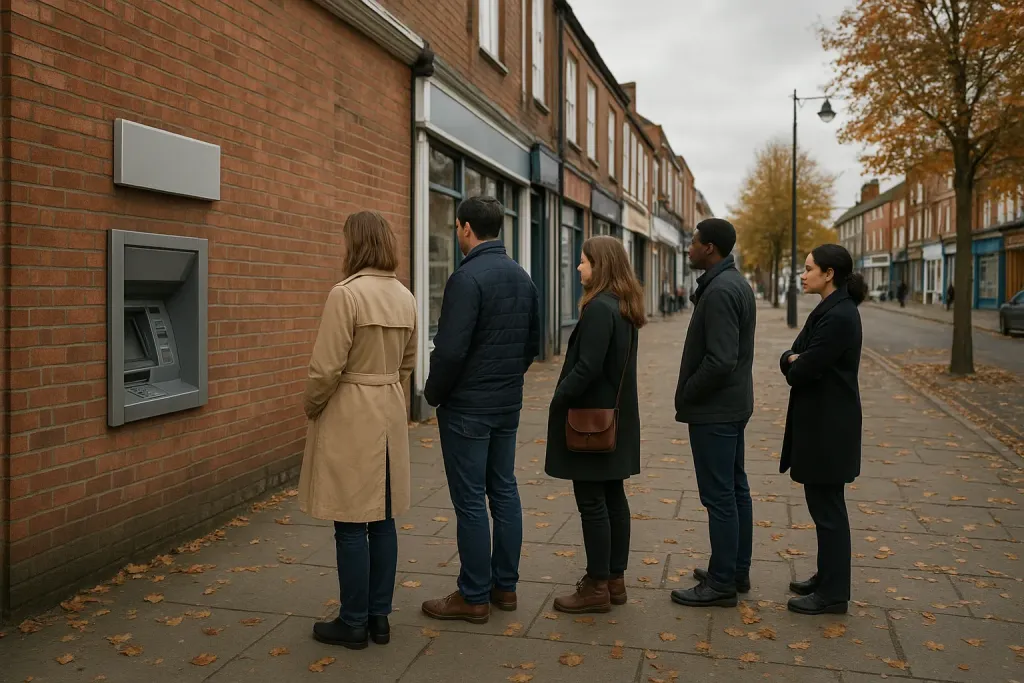
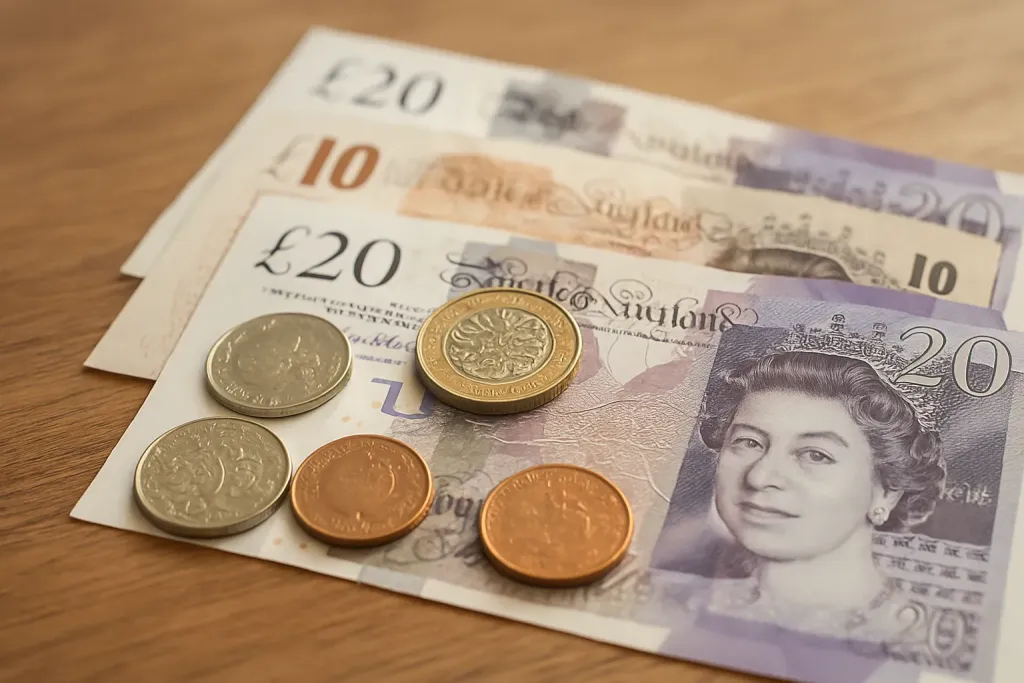
Since 22 October, the total amount of cash in circulation has risen by £1.5bn, an increase of 1.5% - the largest since 2014. The additional £700m above the usual level over the five weeks to 25 November is equivalent to an extra £25 in cash for every second adult in the United Kingdom.
The regulator is surveying the public and has found that people are holding on to banknotes and coins for longer and are depositing them less often. Because of high inflation, some consumers are withdrawing larger sums from ATMs.
Demand for supplies, technical outages and explanations for the changes
On 22 October, Security Minister Dan Jarvis urged Britons to stock up on essential items for at least three days, including drinking water, food, hand‑cranked radios and cash in coins and notes. Following that appeal, sales of long‑life goods, including tinned food and ultra‑heat‑treated milk, rose.
Worldpanel by Numerator data also showed increased demand for hand sanitisers, bottled water and canned goods. Public concerns may also have been influenced by an almost 24‑hour global outage at Microsoft Corp. earlier in the month.
Officials’ comments and potential risks
The regulator declined to comment on the reasons for the sharp increase in demand for cash. Bank governor Andrew Bailey said in a speech on 9 November at the Swiss Institute of International Studies: “The amount of cash we put into circulation is still rising. It’s one of the biggest paradoxes in the world of central banks.”
Officials also noted that increased cash usage may reflect behavioural changes resulting from a deterioration in living standards, with a greater share of transactions being made in cash. The Link network said that in the week to 2 November £16m more was withdrawn from ATMs than a year earlier, despite a lower number of transactions.