


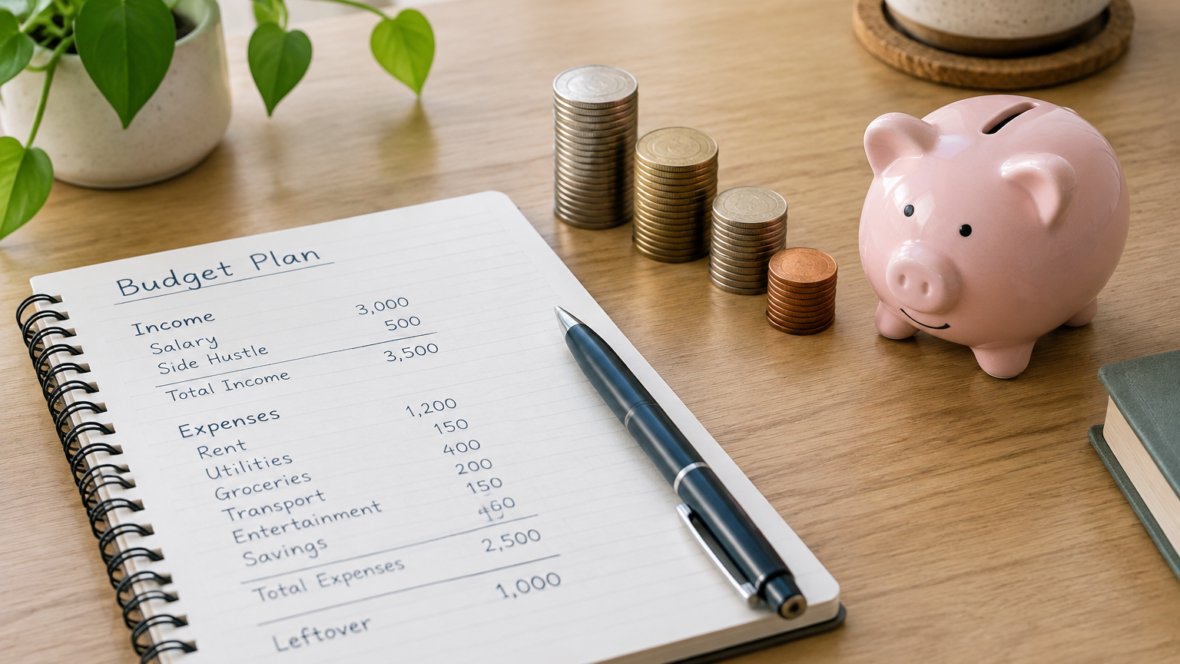
Financial discipline helps prepare for unexpected expenses, control everyday spending and gradually build a financial cushion. This article gives example amounts and saving scenarios.
Saving 1,000 UAH monthly yields 12,000 UAH in a year
The piece gives an example of two people earning 20,000 UAH a month: the first spends all the money before the next payday and, when a washing machine needs a 4,000 UAH repair, has to borrow or use a credit card; the second puts aside 1,000 UAH each month and accumulates 12,000 UAH in a year, not counting interest.
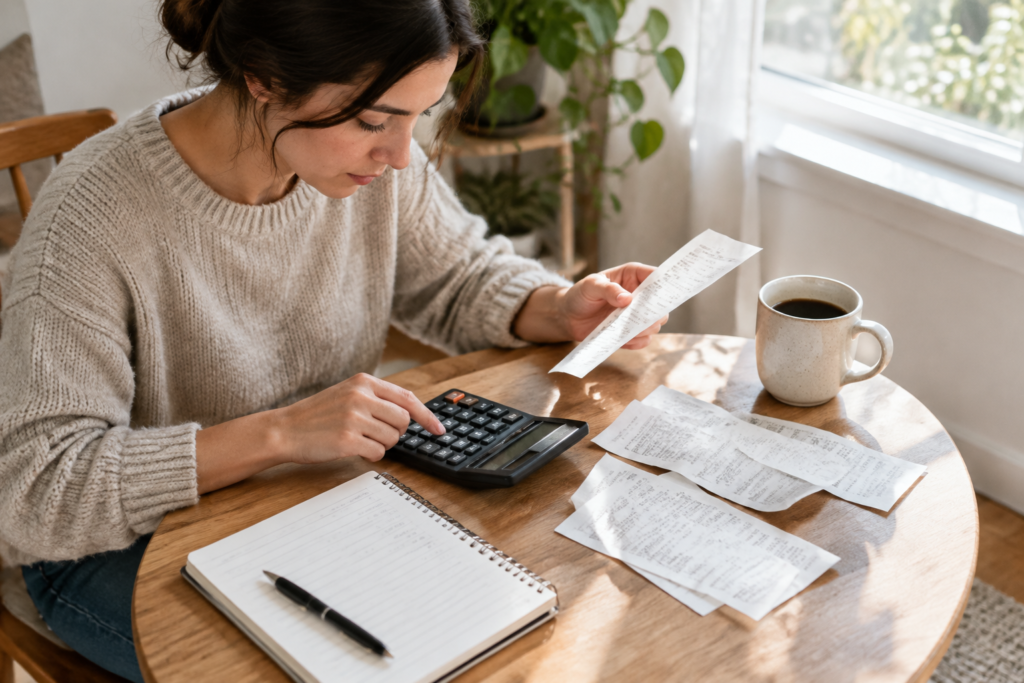
Daily habitual expenses also add up: coffee at 80 UAH a day costs roughly 2,400 UAH a month or about 29,200 UAH a year. The piece notes this does not mean you should give up favourite drinks, but suggests reviewing regular expenses and deciding on an amount to save.
A 45,000 UAH reserve covers three months of 15,000 UAH expenses
If you lose your job, and your necessary monthly expenses are 15,000 UAH, a 45,000 UAH reserve will cover them for three months. During that time you can look for a new job, undertake training or adapt to changes without an immediate need to borrow money.
Even small daily deposits add up: 50 UAH a day yields 18,250 UAH in a year, and 20 UAH a day yields 7,300 UAH in a year. The recommendation is to save regularly and keep those savings separate from everyday spending money to reduce the temptation to dip into the reserve.
A financial reserve can become an important support for a person and their family during war
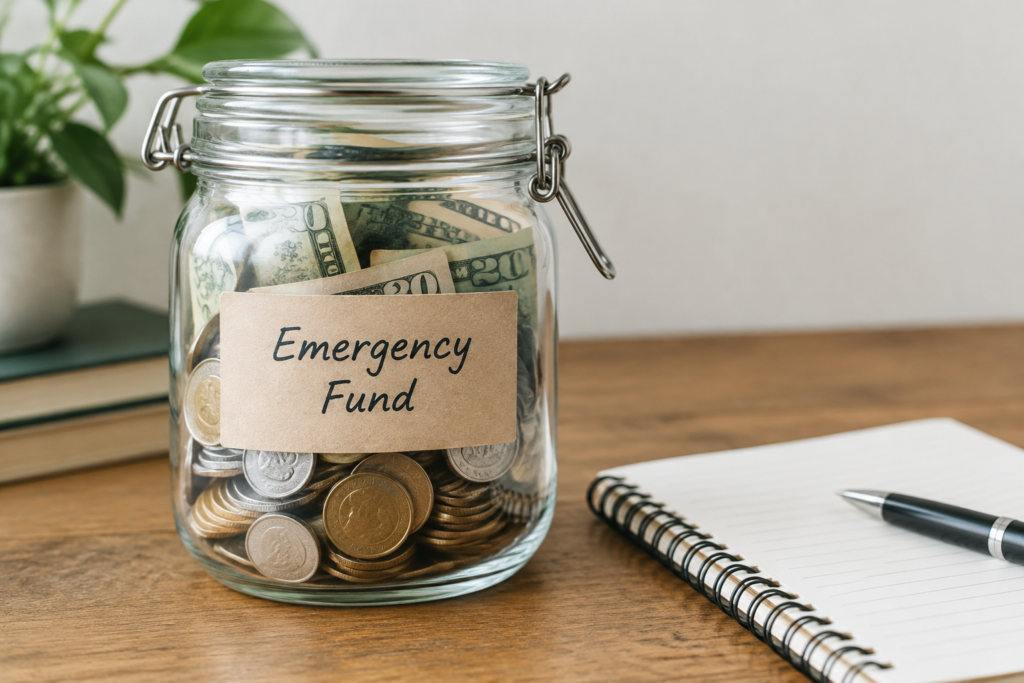
To gradually build a cash reserve, it’s worth following rules of regularity and taking a realistic approach. “In a situation of war, unstable incomes and the risk of unexpected expenses, a financial reserve can become an important support for a person and their family,” and if it’s not possible to save now, they advise starting with a small amount when circumstances allow.
This material was prepared. The text includes calculations of the examples and options for daily savings.