

Moldova is setting up shelters at checkpoints near Ukraine
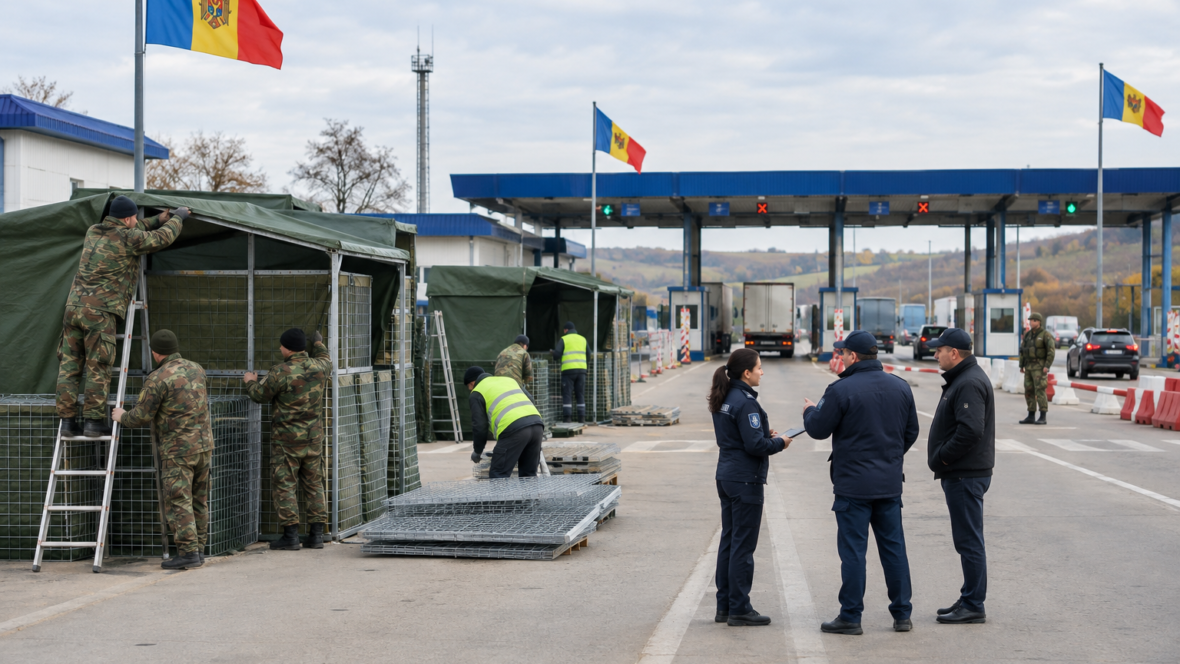
Moldova has begun creating protected zones at checkpoints on the border with Ukraine to shelter staff and members of the public from possible attacks by Russian drones. The authorities are also returning their personnel from joint checkpoints (KPP) to Moldovan territory to minimise risks to staff.
These measures were announced by the minister of internal affairs of Moldova, Daniela Misail‑Nikitin, reports Newsmaker. According to her, the authorities aim to strengthen protection at all checkpoints, including those located on Ukrainian territory.
Why now
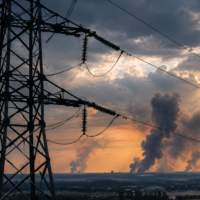
The decision is linked to an escalation in threats from strikes on Ukrainian infrastructure that have been accompanied by the use of drones. The government is stepping up security measures as risks to checkpoints and their staff increase.
An additional catalyst was the wounding of a Moldovan border guard on 5 October at the Palanka — Mayaky — Udobne checkpoint. A shell that ricocheted off the ground hit a scheduled coach and a border police officer was wounded; his condition is stable and there is no threat to his life.
What measures were taken and which checkpoints are affected
The minister said that personnel have already been withdrawn from two joint checkpoints. This concerns, in particular, the Kryva and Palanka checkpoints. The next steps envisage moving Moldovan border guards from Ukrainian territory to Moldova, where they will continue to operate.
By “protected zones” the authorities mean shelters for staff and citizens in the passage area; this does not change the status of the border but does alter how the checkpoints operate and the conditions for crossing.
Who will be affected and how crossings will change
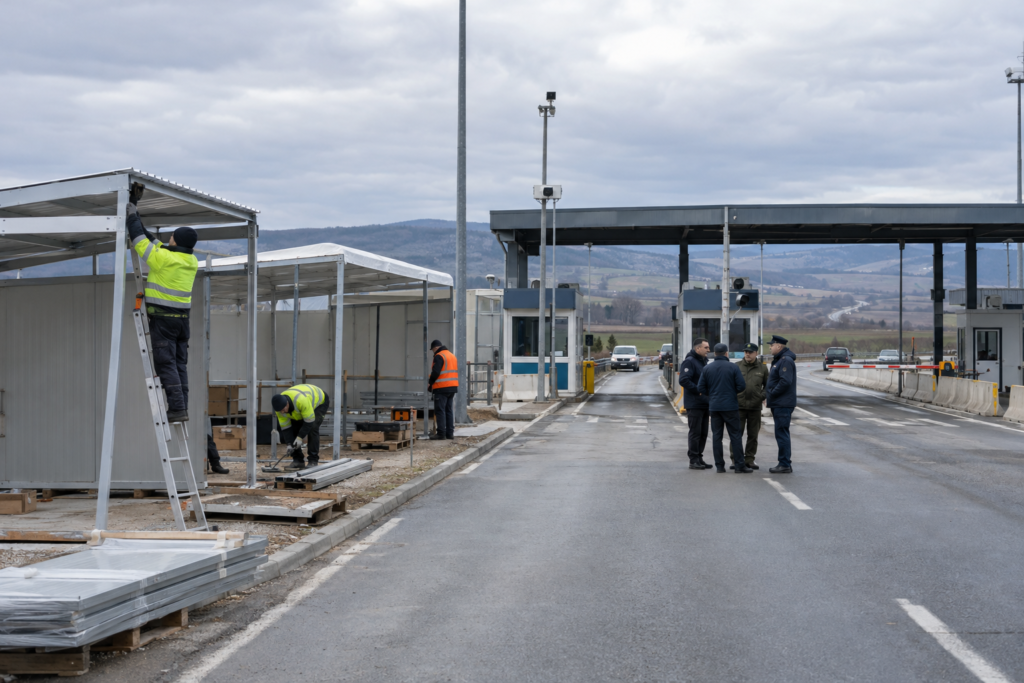
First and foremost this will affect border personnel who worked at joint checkpoints. Staff from two checkpoints have already been withdrawn and are effectively operating from Moldovan territory, and similar changes may affect other joint points in due course.
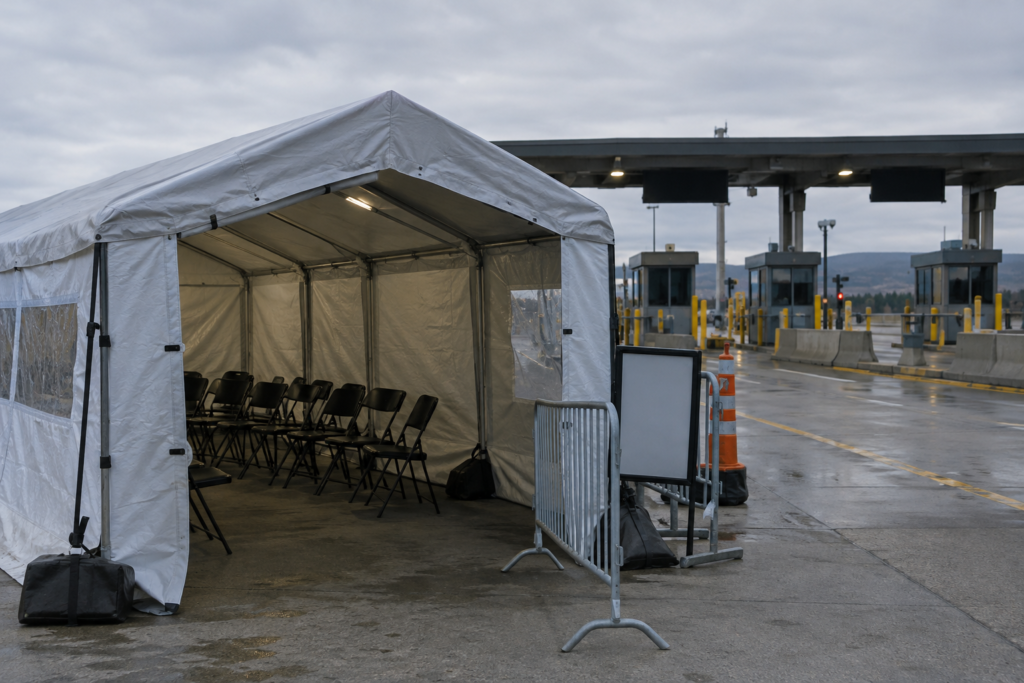
For the public the changes will mean new waiting areas and organised shelters in the event of a threat. The Palanka checkpoint previously suspended operations temporarily after a nearby incident, which underlines the reality of the risks and the need for safety measures.
Operational implications for crossing procedures at the border
Due to the relocation of staff and the introduction of protected zones, the operation of some checkpoints may become logistically more complicated. Some procedures may shift to the Moldovan side of the administrative border; this requires coordination to avoid creating bottlenecks and hindering the movement of people and goods.
The ministry will continue to monitor the situation and will gradually withdraw staff from joint checkpoints while maintaining security. No specific dates for a wider relocation were given in the statement, but two checkpoints have already been changed and those measures are now in effect.