


What will happen at the Paris Motor Show and why it matters
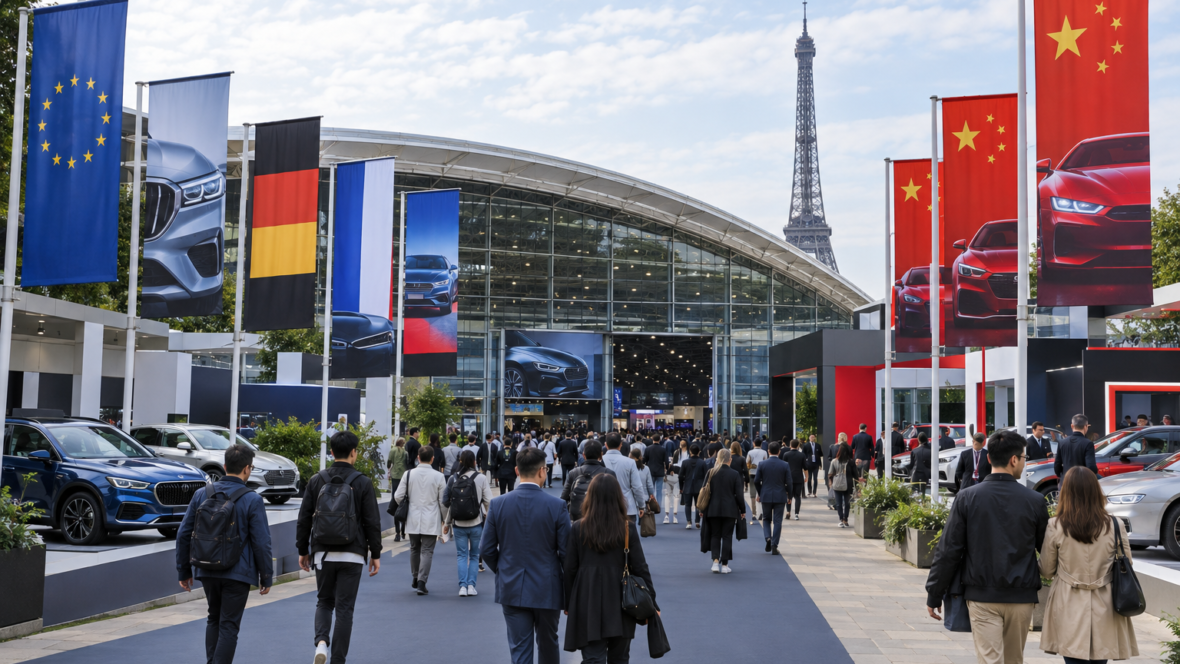
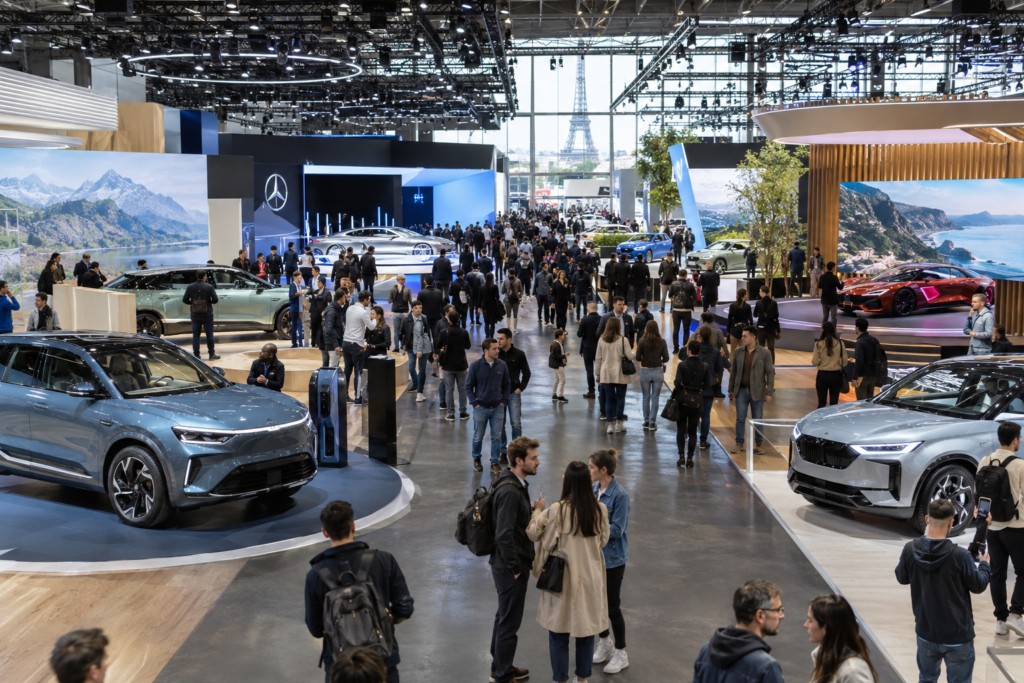
The Paris Motor Show, opening on Monday, 12 October, is attracting attention with a large renewal of model line-ups. European and Chinese manufacturers are preparing to show up to 60 new models and around 20 Chinese brands on a single site — significantly more than last year — signalling intensifying competition across the continent.
Reuters reports on the wide range of participants in a piece on the exhibition and its market impact. Stands will feature both traditional marques with new electric vehicles and brands entirely new to Europe from China.
Why Chinese brands are increasing their presence now
The rise in Chinese participants is the result of several concurrent factors. First, China’s domestic market is experiencing a sales downturn, pushing manufacturers to look for opportunities abroad. Second, Chinese companies are stepping up their export ambitions, presenting more marques and affordable electric vehicles to capture European consumers’ share.
In addition, some Chinese players see local production in Europe as a way to cut costs and circumvent tariff barriers. In July Geely Auto announced plans to produce electric SUVs at Ford’s plant in Spain and to develop a partnership with Renault, illustrating a strategy of integrating into European infrastructure.
Why the show has become so large this year
European brands are responding to the challenge of growing competition. Stellantis, Volkswagen and their mass-market marques are preparing significant premieres in the hope of defending or regaining market share. Stellantis, in particular, has announced six new models and nine concept cars.
Against a backdrop of trade tensions following the tariffs on Chinese electric vehicles introduced in October 2024 and the European Commission’s work on rules concerning local components, manufacturers see the show as a chance to demonstrate their response to competition. It is a moment for presentations intended to strengthen brands’ image and technological positions.
Which key premieres have been announced
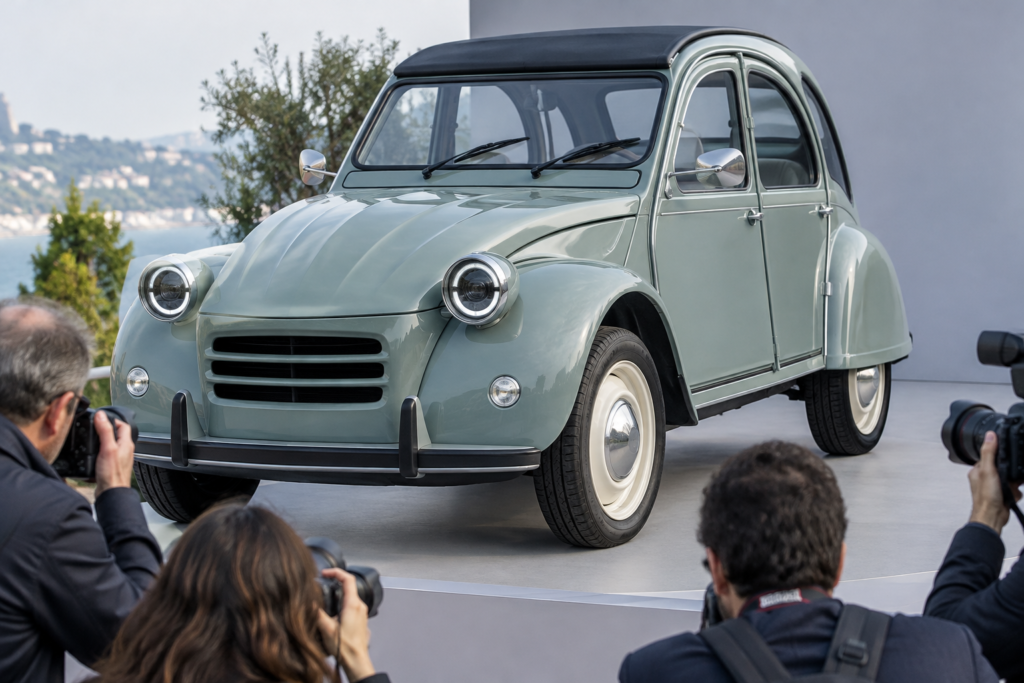
Among the European novelties there is a clear focus on affordable electric cars. Stellantis may draw attention with an electric version of the iconic Citroen 2CV in a retro style. Stellantis CEO Antonio Filosa has called the forthcoming premiere a reimagining of a European automotive icon.
Volkswagen and its marques are also betting on mass-market electric vehicles. The show is expected to unveil a new electric SUV, the ID. Tiguan from Volkswagen, as well as updates from Cupra and Skoda aimed at the mainstream market.
Who will be affected by these market changes
Increased activity at the motor show will affect various market participants. Consumers will have access to more affordable electric vehicles across different price segments. At the same time, dealers and service networks will need to adapt to new models and brands as competition for customers rises.
For European manufacturers the exhibition is an opportunity to confirm competitiveness. Volkswagen CEO Oliver Blume emphasised the importance of a level playing field and the creation of jobs in the region. The European Union (EU) is simultaneously negotiating agreements that could restrict imports or change their terms.
Which trade and regulatory changes are influencing the show
Trade measures have already influenced the market structure. The EU imposed tariffs on Chinese electric vehicles in October 2024, and the European Commission is working on rules that could require a minimum share of local components to access much of the bloc’s market. This places additional pressure on suppliers from China and motivates them to seek production solutions within Europe.
At the same time, the EU and China announced an agreement on trade in hybrid cars that could reduce their imports from China to the European Union by more than half. Jefferies analysts believe such steps could most affect BYD, Chery and SAIC, which together with the MG brand accounted for about 90% of Chinese hybrid sales in the EU during the first eight months of 2026.
What the short‑term market implications are
The show will act as a kind of test of strength between traditional European marques and Chinese newcomers. The models and solutions displayed on the stands will shape consumer perceptions of brands and influence future marketing strategies. The battle for affordable electric vehicles is becoming a central theme of competition.
For investors and players in the automotive supply chains the Paris Motor Show will signal likely directions for production and potential partnerships. The announced steps towards localising production could already alter logistics and cost structures in the region.