



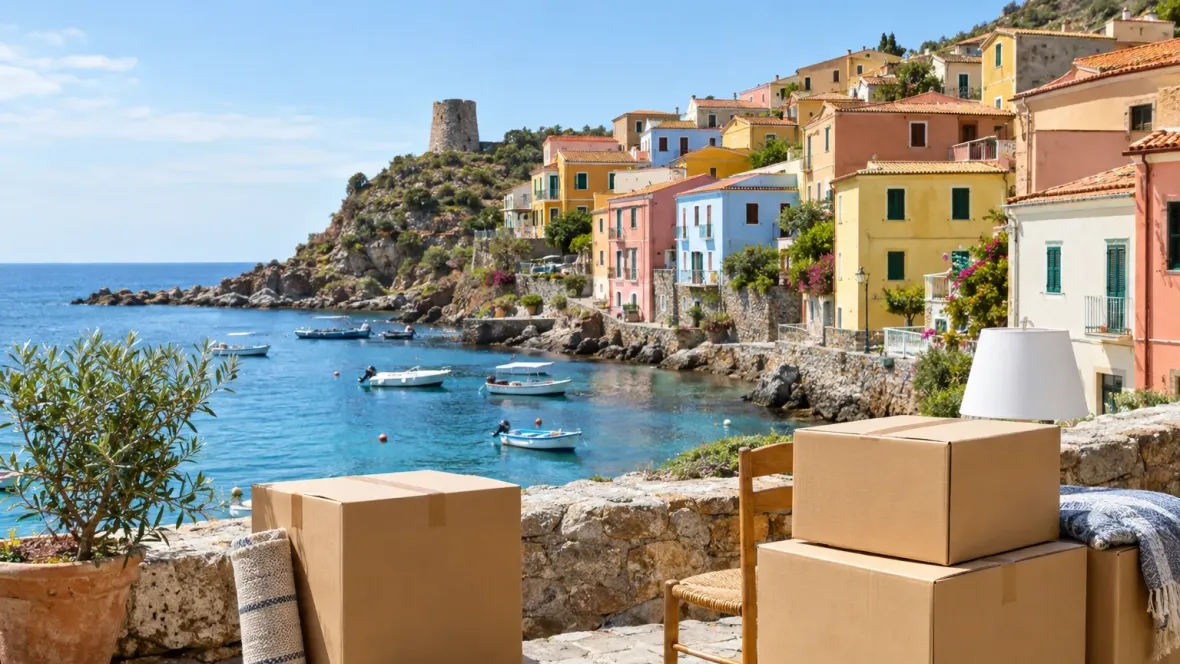
The Sardinia region has launched a scheme under which new residents can receive up to 30,000 euros in a non-repayable grant. The money is intended for people up to 40 years old who move to the island and already have a job.

Who is eligible and what the residence conditions are
Payments are available to salaried employees, freelancers and entrepreneurs; the main condition is that the employment must already exist at the time of application. If a person settles in a town or village with a population of less than 5,000 inhabitants, the payment increases to 30,000 euros.
After approval, within six months applicants must register their residence on the island and live there for at least five years. If funds are insufficient for all applicants, healthcare and social workers will be prioritised.
How to apply and deadlines
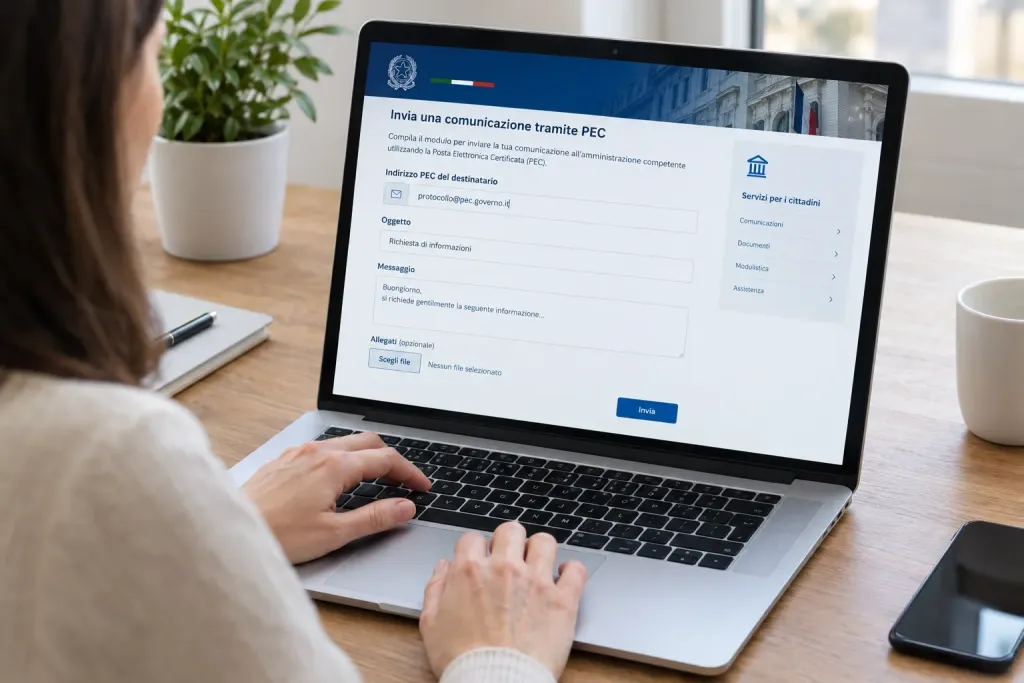
Applications are accepted until 29 November only via certified electronic mail (PEC) to the address san. dgpolsoc@pec.regione.sardegna.it. PEC is a certified electronic mail system that has legal validity for official communications.
Funds can be received even by those who moved to the island as early as 1 January 2026. After applying, applicants must provide proof of employment: for salaried employees it is permissible to work remotely, transfer within the company, or sign a new contract.
Brief outline of the procedure for buying property as a foreigner
The article also outlines the main stages of buying property as a foreigner: first obtain a codice fiscale and open an account with an Italian bank; then a notary carries out a legal check of the property.
Next, a preliminary contract (compromesso) is signed and a deposit of between 5% and 10% is paid, and the final deed (rogito) is signed before a notary.