


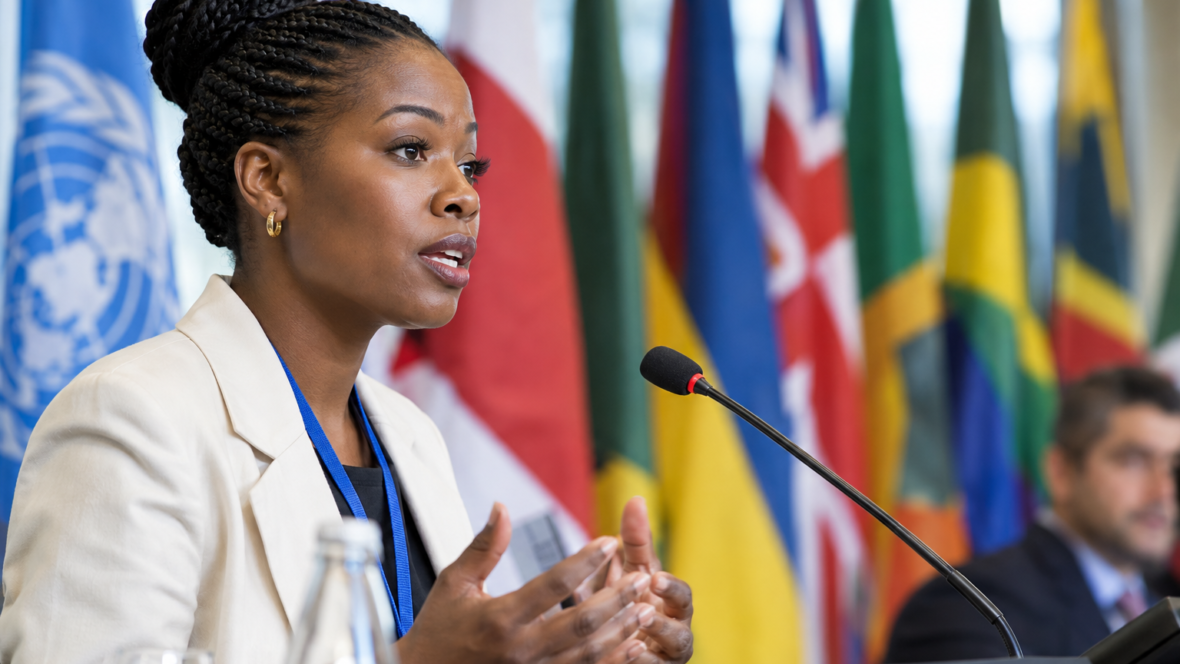
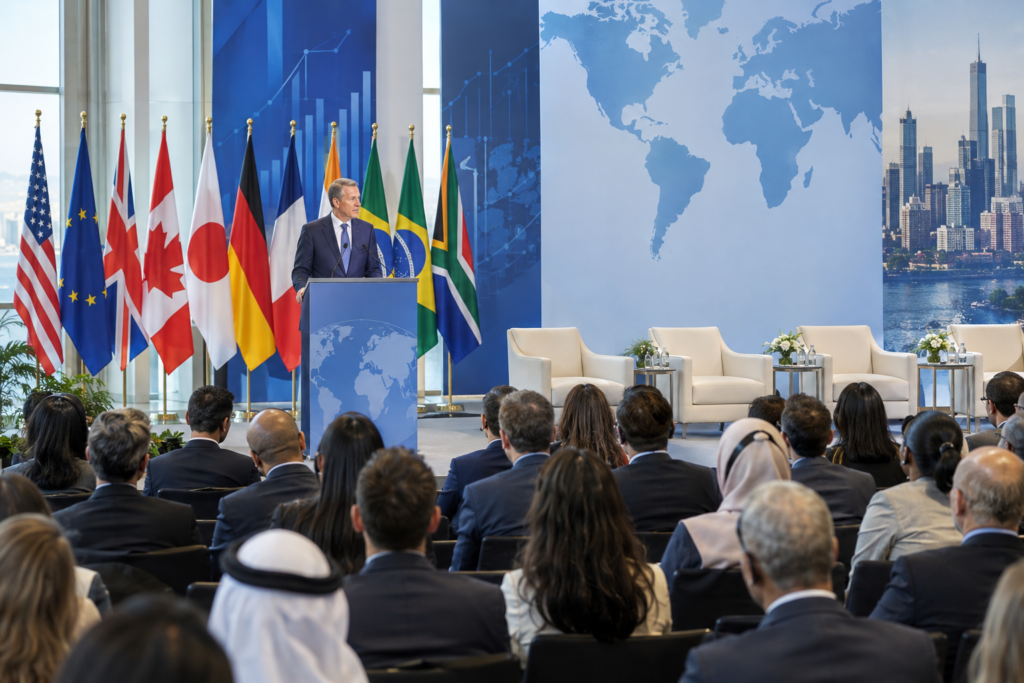
Ajay Banga, President of the World Bank Group (WBG), said at a plenary session of the WBG Annual Meetings in Bangkok on Friday that over the next 10−15 years 1.2 billion young people will enter the global labour market, while the market will be able to create only about 400 million jobs.
Scale of the problem and the risks cited
Banga identified two “interconnected challenges”: “making the most effective use of limited resources… and at the same time helping countries to create jobs at scale,” he said. He also pointed to the continuation of conflicts, the shrinking of fiscal space, rising debt burdens and high prices for essential goods — from energy to fertilisers.
His remarks stressed that these factors affect global prices and trade, which matters for countries with open economies in terms of exchange rates, prices and exports.
Changes in the World Bank Group’s operations and financing
The WBG shortened project preparation from 19 months to nine, replaced 153 indicators in its evaluation system with 22 focused on impact, and increased results-based financing roughly from one third to one half. The Bank also expanded its lending capacity by more than $100 billion over the decade.
The co-financing portfolio with multilateral development banks tripled in two years to about 250 projects that require financing of $138 billion.

Employment growth strategy and the role of private capital
Banga outlined a three-pillar strategy. The first is physical and human infrastructure: power, water, transport, digital connectivity, health care, education and skills; last year the WBG allocated $40 billion to these funds.
The second is regulatory and policy certainty; last year 30% of the Bank’s financing supported policy and institutional reforms. The third is scale: removing barriers to private business investment and strengthening instruments such as guarantees, equity and local-currency financing.
Mobilising private capital and technology
According to Banga, in fiscal year 2022 the WBG mobilised about $35 billion of private capital, and last year $112 billion from investors in 110 countries; total financing exceeded $230 billion. Mobilisation nearly tripled in lower-middle-income countries and quadrupled in upper-middle-income countries, but in low-income countries mobilisation remained at about $3 billion.
Banga also highlighted the potential of “small” artificial intelligence to raise yields, personalise learning, support medical decision-making and expand customer access for entrepreneurs, and said the WBG is helping countries to secure electricity supply, connectivity and access to devices.