

Main substantive update for Ukrainians
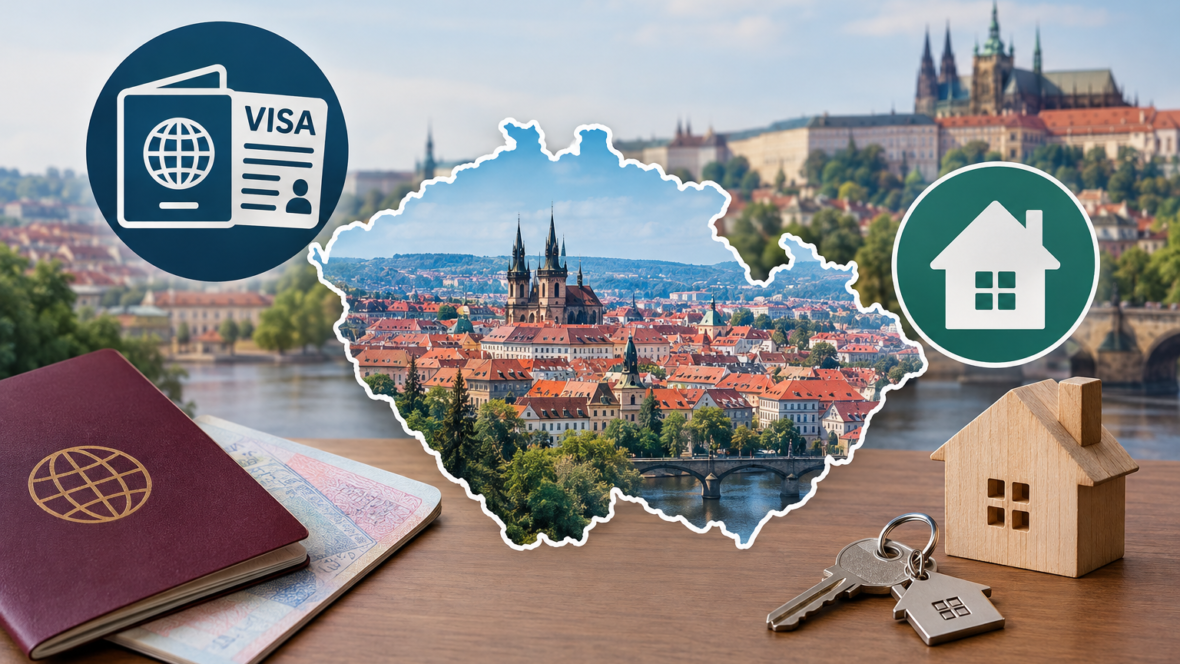
The Czech government is proposing to expand Ukrainians’ access to standard residence permits and work visas. This concerns short-term visas for the purpose of employment and long-term permits for employment under § 42g of the Act on the Residence of Foreigners, known as the “employee card” (zaměstnanecká karta).
reports Radio Prague International. An accompanying letter to the government proposal explains that the changes are intended to create conditions for a gradual transition of some groups from the temporary protection regime to standard residence permits, including for work.
Comparative scheme: before and after
| Indicator | Before | After (proposed) |
|---|---|---|
| Access to the “employee card” | Applicants could apply at consulates from outside Czechia, but those who have or had temporary protection in Czechia were not allowed to submit applications at consular posts | The restriction is to be lifted and access opened to people with temporary protection in Czechia |
| Types of permits | Possible: family reunification, full-time study, employment; Ukrainians could already obtain the zaměstnanecká karta, the modrá karta and the mimořádné pracovní vízum | Extension of rights to short-term employment visas and the long-term “employee card” under § 42g |
| Humanitarian accommodation for new arrivals | Reserved 20,000 places, state-funded accommodation for up to 90 days | It is proposed to reduce the reserve to 10,000 places; the period of provision remains up to 90 days |
| Annual quotas and 2021 statistics | In 2021 almost 27,700 “employee cards” and more than 185,500 short-term visas for employment were issued | Quotas remain defined as annual limits and, according to the document, are considered fully sufficient |
Who the changes apply to and how to check your status
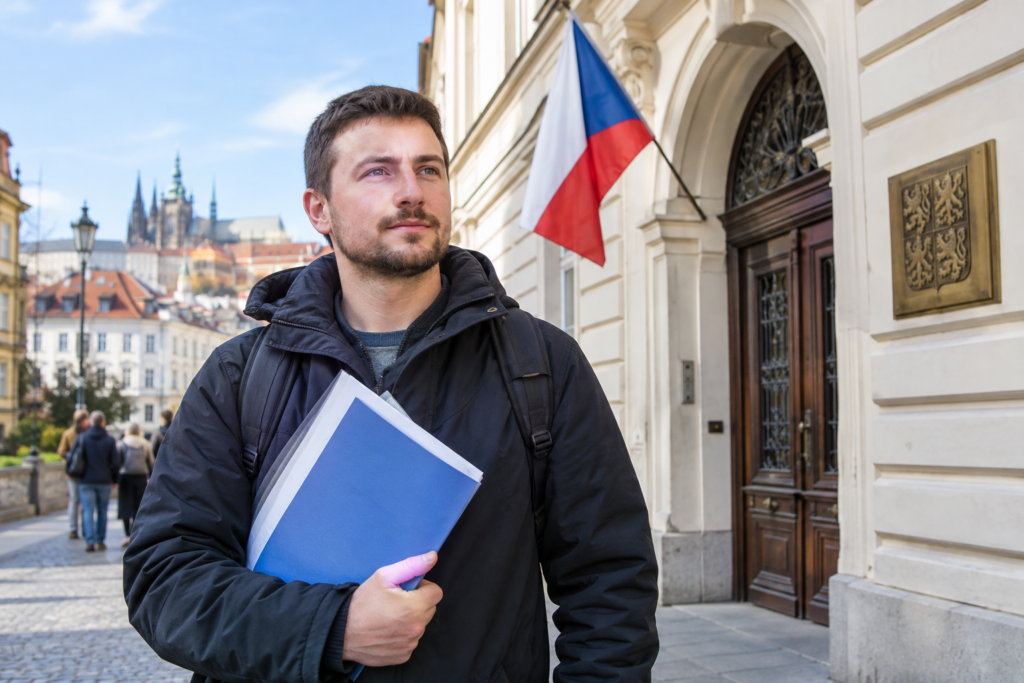
Primarily the changes are aimed at Ukrainian citizens who want to work in Czechia. This includes people who are in Ukraine and can leave it, as well as those already in other countries or in Czechia under the temporary protection regime.
The term “temporary protection” here means a state status that grants simplified access to residence and assistance during the war. If you have that status in Czechia, after the changes you will be able to apply for standard residence permits and work visas on the usual grounds, provided your situation meets the requirements of the relevant permit.
How and where to submit documents
Applications for the “employee card” (zaměstnanecká karta), the “blue card” (modrá karta) and special work visas (mimořádné pracovní vízum) are submitted to Czech consular posts if you are outside the country. The text of the decision also states that citizens may apply at consulates within government migration programmes and within the annual quotas set.
The document does not mention the possibility of complete online processing. If you plan to submit paperwork, check with your local consulate or the official website for the exact list of documents and the application procedure. Typically, work permits require a passport, proof of employment or a job offer, and documents on education or qualifications.
What to do specifically if you want to work in Czechia
Check your current status. If you have temporary protection in Czechia, contact migration authorities or the consulate to find out when and under what conditions you can apply for a standard residence permit for employment.
Prepare your document package. Usually this includes your passport, a job offer or contract, education documents and proof of qualifications. If you are in Ukraine or another country, contact the Czech consular office to confirm requirements and to make an appointment for submission.
Numbers and brief context you should know
The document emphasises the need for labour in Czechia. Around 150,000 people under temporary protection are currently working in the country. For long-term migration from Ukraine, almost 27,700 “employee cards” were issued in 2021. In the same year more than 185,500 short-term visas for employment were issued.
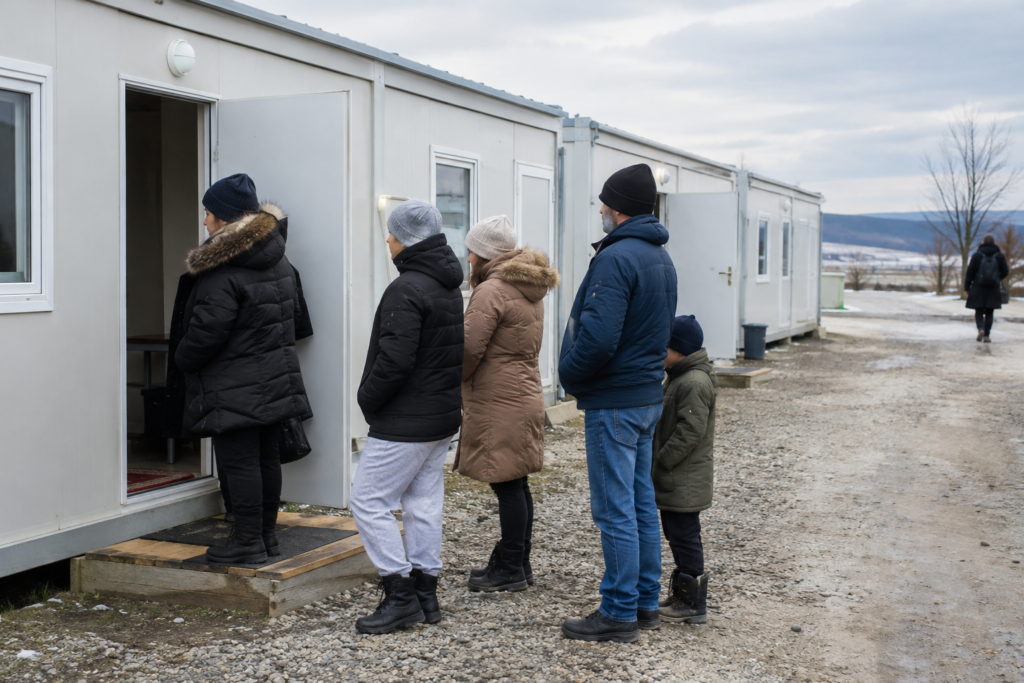
As for humanitarian accommodation, in 2026 about 300 people are staying in such places. Each week an average of 17 people are settled into that accommodation, which is 1.3 percent of those who received temporary protection that week. For comparison, at the end of each year in 2024–2025 there were about 500 people in that accommodation, and on average 45 people a week — or about 3 percent of new arrivals — were settled there.
Humanitarian accommodation and its reduction
The proposed reduction of the humanitarian accommodation reserve from 20,000 to 10,000 places does not change the period for state-funded housing provision. After receiving temporary protection, people can still rely on such accommodation for up to 90 days.
The accompanying letter to the proposal states that, given the actual arrival dynamics and occupancy of these places, even 10,000 reserved beds should be sufficient. Therefore, even if the influx of new arrivals increases, the document considers this reserve adequate.