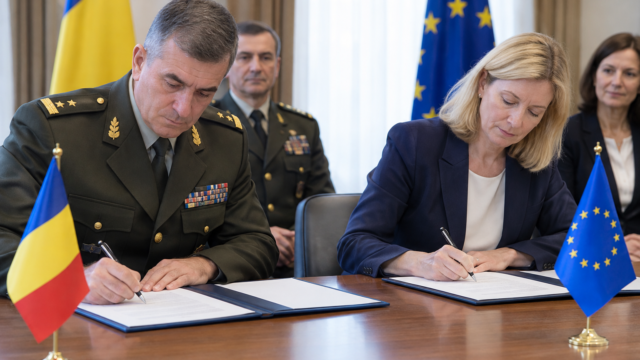



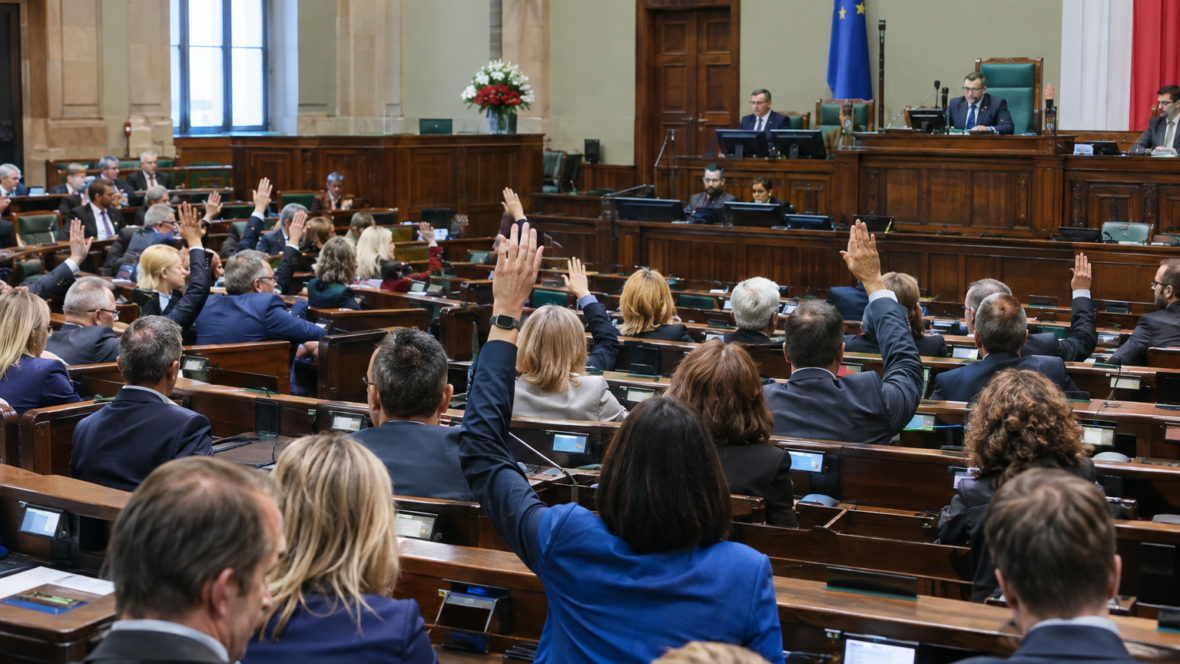
The Verkhovna Rada of Ukraine yesterday voted to extend martial law until 29 January 2027. The main conscription rules remain unchanged, and travel restrictions for men in the relevant categories continue to apply under the law.
Mobilisation of men aged 50–59
Men aged from 50 to 59 (inclusive) may be mobilised if they are medically fit for service and not entitled to a deferment. Mobilisation at 59 is lawful, and upon reaching 60 a serviceman may be discharged from the armed forces under the established rules.
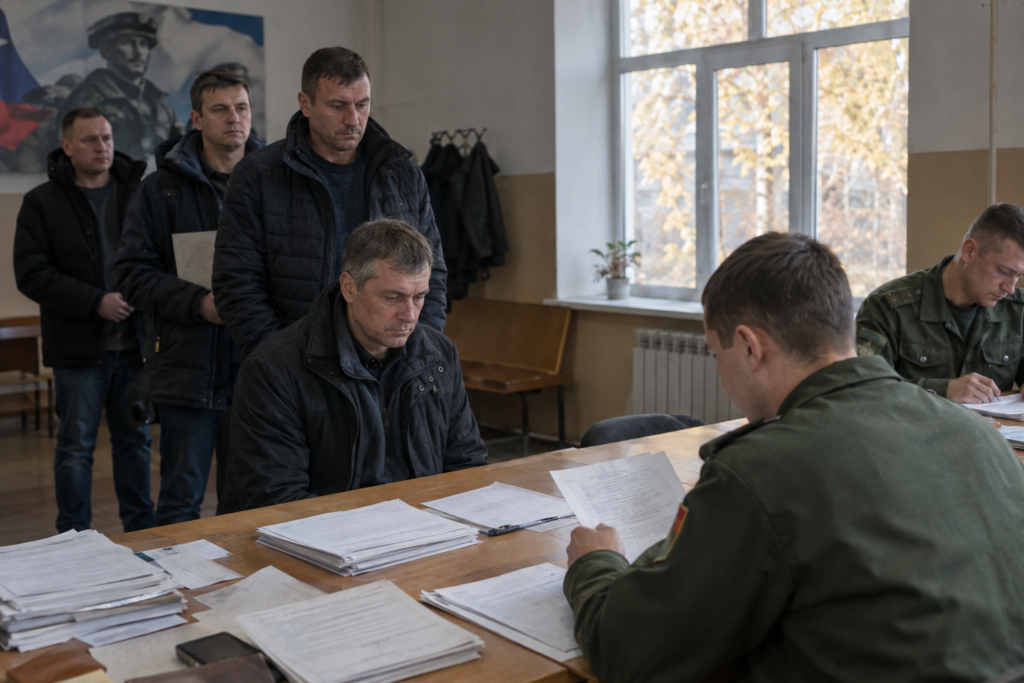
Like other individuals liable for military service, men over 50 must be registered with the military authorities and appear when summoned; fines apply for breaches of registration rules. The place of service depends on health, experience and specialty and the needs of the armed forces, so some may be assigned to rear-echelon units, but this is not an automatic rule for everyone.
Women and the army’s personnel needs
Compulsory mobilisation of women has not been introduced: they may serve on a voluntary basis, and military registration obligations for certain categories are determined by law. Travel restrictions for men in the relevant categories remain in force according to legal norms.
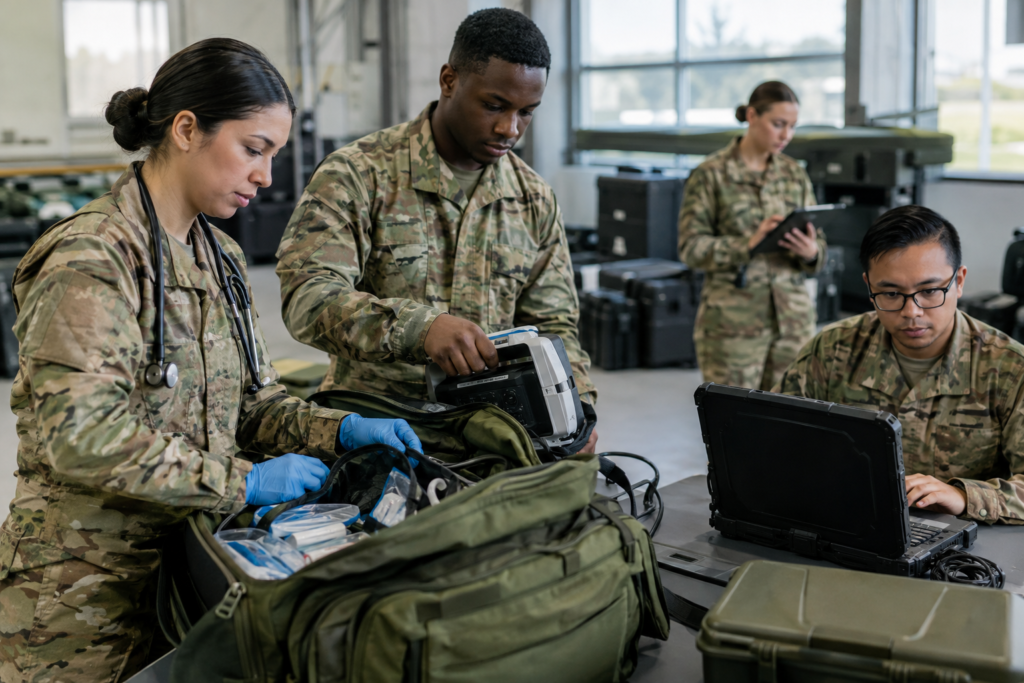
When staffing units, the armed forces take account of needs for specialists, in particular drone operators, artillery personnel, signalers, medics, IT specialists and drivers. Such specialties may be prioritised when forming units.
Proposed changes to deferment and reservation rules
In public discourse there have been discussions of possible changes to mobilisation legislation regarding a review of grounds for deferment and tightening requirements for the reservation of workers. This was written by the Verkhovna Rada’s commissioner for human rights, Dmytro Lubinets.
Among the proposals voiced are additional conditions for parents of children with disabilities, people who have relatives with disabilities, and citizens who provide constant care for family members. There is also discussion of changing the criteria for classifying enterprises as critically important.