


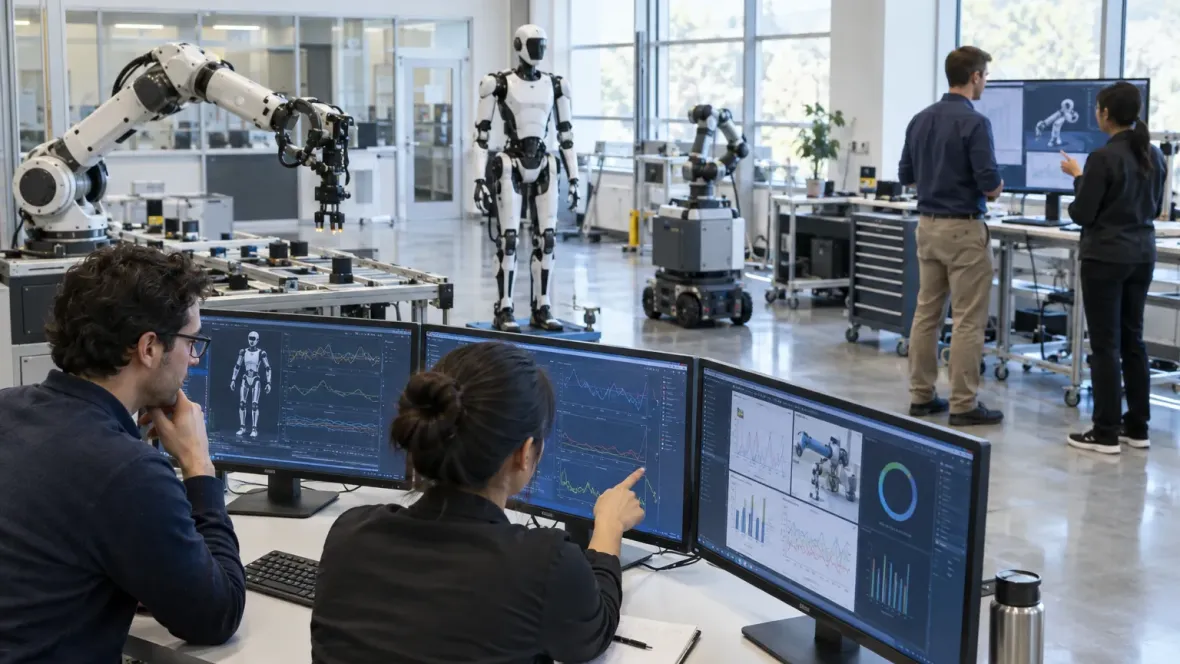
According to research firm ITjuzi, in the first half of 2026 Chinese companies in the embodied artificial intelligence (embodied AI) sector raised 93.5 billion yuan ($13 billion) across 322 deals.
That is five times more than in the same period last year. These are investments in so‑called embodied AI — artificial intelligence integrated into physical machines that teaches robots to recognise their surroundings and carry out unfamiliar physical tasks.
How robots learn new physical skills
Unlike chatbots, which learn from text, robots need examples of physical actions: how to pick up objects, work with flexible wires or interact with equipment. Chinese developers collect such data in various ways — from recordings of human actions to sensors that capture movement and grasp force.
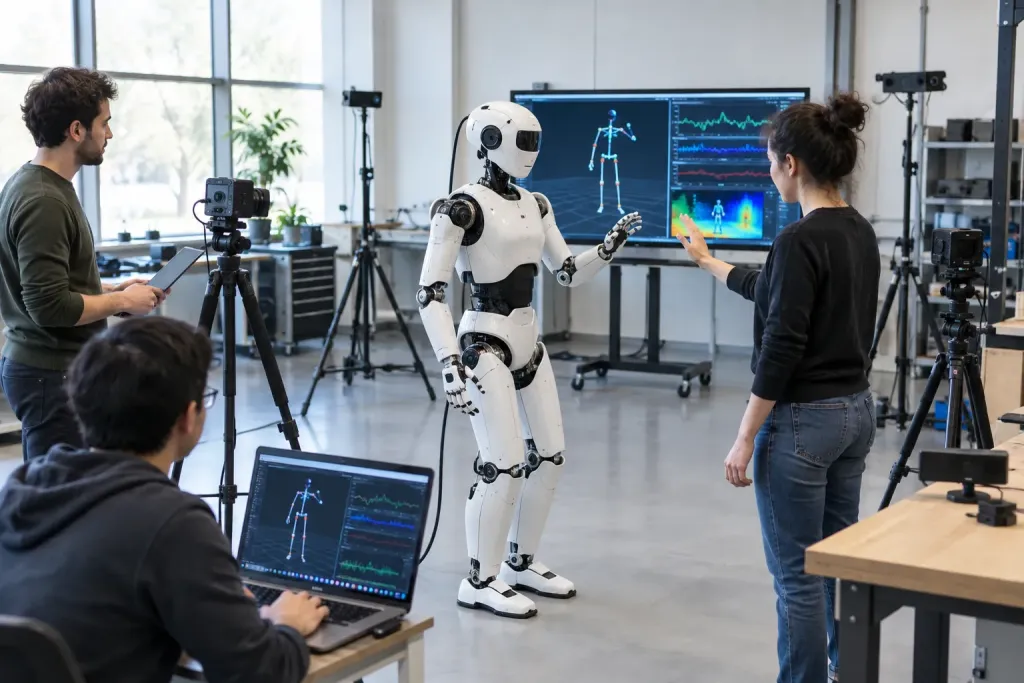
For example, Spirit AI hired around 1,000 people to record everyday and industrial operations, and ACE Robotics uses motion sensors on workers. Ant Group’s Robbyant unit trained its model on 160,000 hours of material, of which 50,000 hours are robot motions under human control; training involved 20 robot configurations from 17 manufacturers.
Application examples and scaling challenges
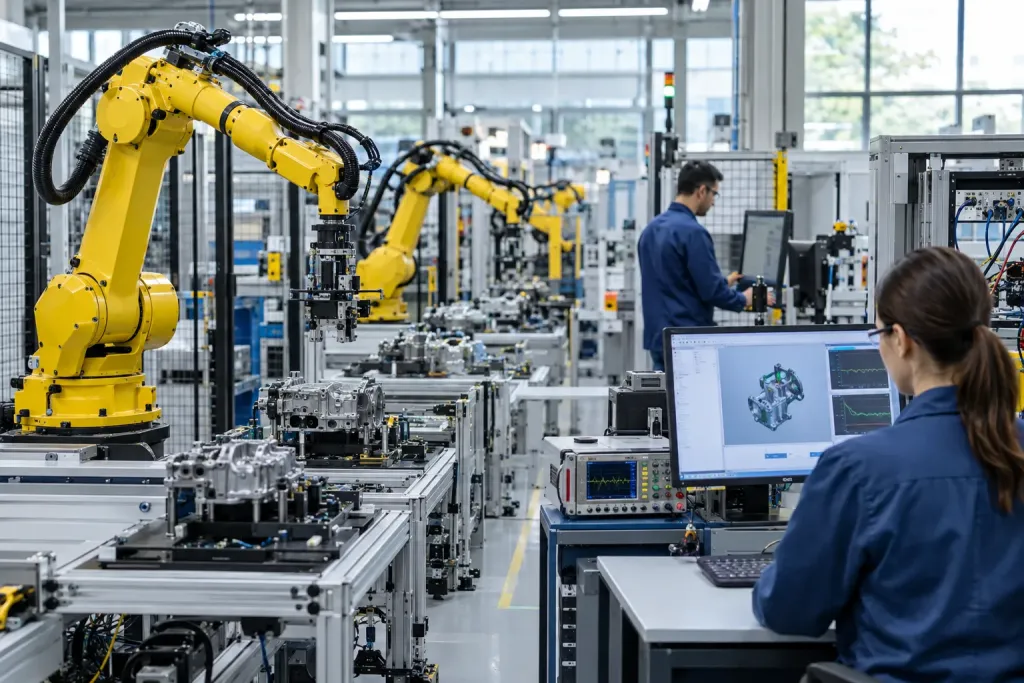
Some models are already operating in manufacturing and retail: CATL reports that Spirit AI’s robots connect flexible wires during battery testing with a success rate of over 99%, and Robbyant processes orders in two Shanghai pharmacies with human staff checking items before dispatch.
However, scaling solutions is difficult due to a shortage of advanced Nvidia chips following US export controls. Companies are trying to reduce compute requirements through more efficient models, synthetic data and simulations, while chipmakers, including Huawei, are working on alternatives.
Estimates for when robots will be ready for unfamiliar tasks
Unitree founder Wang Xinxin said the company tested GPT-6 on robots and obtained encouraging results, and that a potential GPT-7 “could give robotics its own ‘ChatGPT moment'”. He predicts a breakthrough when robots can perform 80% of tasks in 80% of unfamiliar environments from voice instructions.
Robotics consultant Georg Stieler warns that successful demonstrations are not equivalent to readiness for mass commercial deployment, and that reliable operation on factory floors may take years rather than months.