



Launch of the initiative and FCC approval
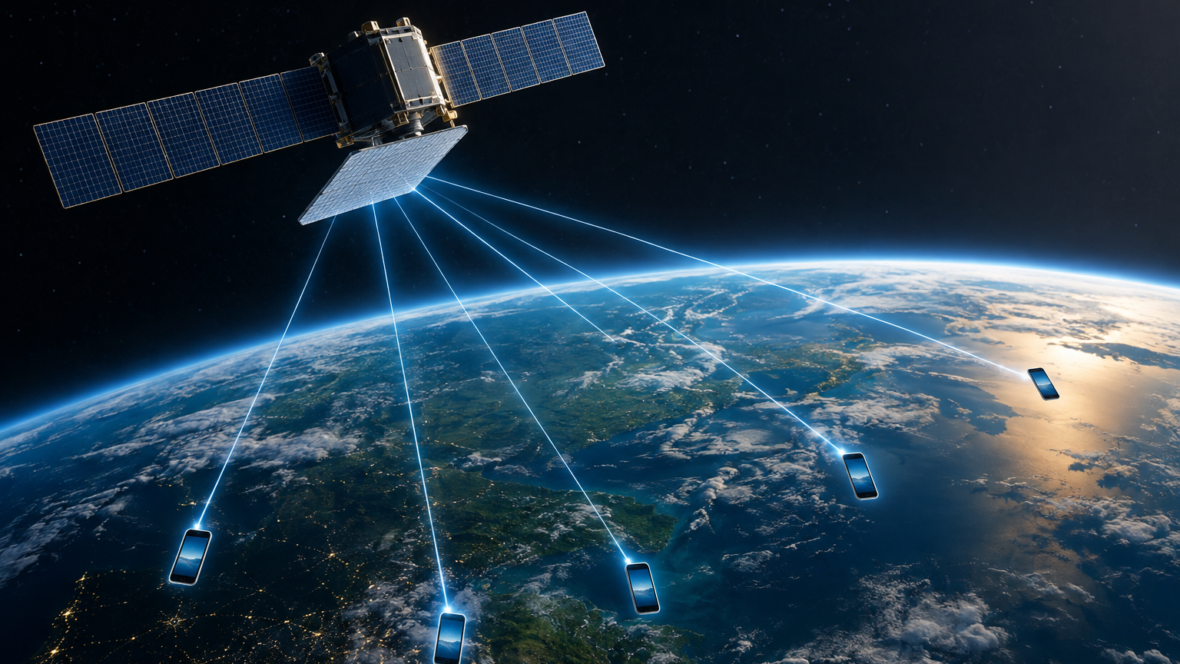
SpaceX received from the Federal Communications Commission (FCC) the right to deploy and operate up to 15000 new satellites for its mobile Starlink service. The company’s goal is to upgrade satellite-to-mobile-phone communications to deliver data directly to ordinary smartphones and to do so much faster.
This information reports pcmag.com. The FCC decision paves the way for mass launches and broad deployment of a technology designed to work alongside existing mobile-operator networks.
New technical solutions and expected performance
The new service will rely on direct satellite-to-smartphone links and on optimised 5G standards for space communications. SpaceX says users could see download speeds of up to 150 Mbit/s per user, which would significantly exceed first-generation Starlink Direct to Cell performance.
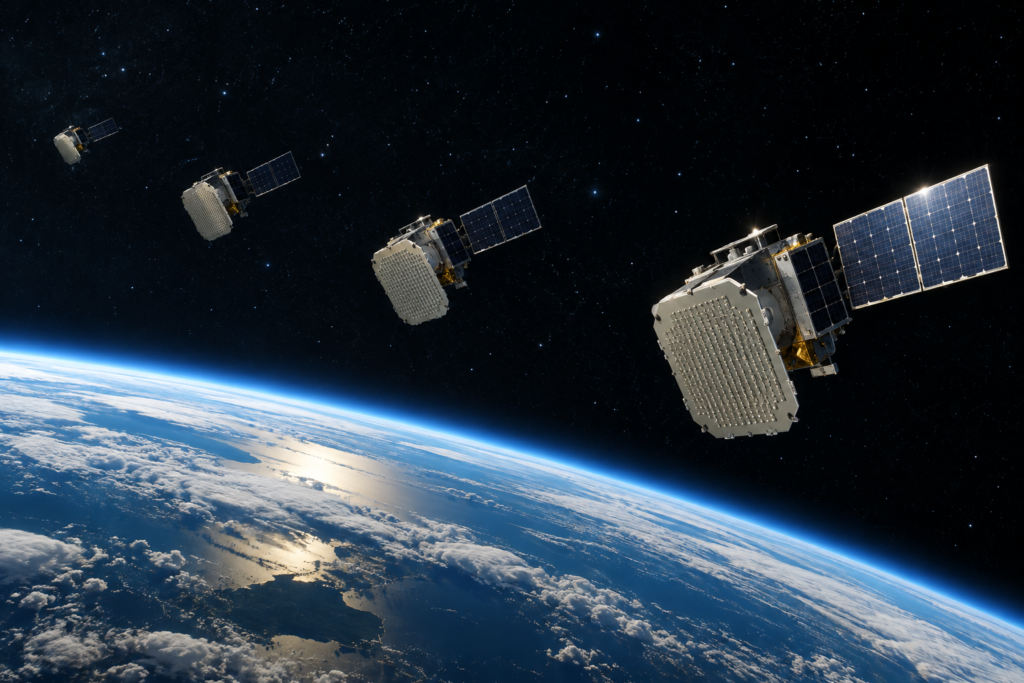
Key elements will include next-generation satellites, phased-array antennas and SpaceX’s own chips. According to the company, a single next-generation spacecraft will have roughly 20 times the throughput of a first-generation craft, and the total system capacity could increase by more than 100 times.
Launch schedule and timeline
The first launches of the new Starlink Mobile satellites are expected with a view to starting the service at the end of 2027. SpaceX plans to carry out a series of missions to put the needed number of spacecraft into orbit for testing and scaling the service.
The company has also announced intentions to launch thousands of satellites by the end of 2028. That schedule would allow coverage and system capacity to be ramped up in a relatively short time for a space project.

Use cases and potential deployment constraints
The current Starlink Direct to Cell already allows ordinary mobile phones to connect to satellites without additional hardware and works with smartphones that support LTE. SpaceX is using this approach in partnership with mobile operators in various countries, which provides a base for expanding the service.
If the claimed specifications are achieved, satellite internet could become a full complement to mobile networks, particularly in remote areas and locations without reliable cellular coverage. However, a large-scale transition will depend on how quickly the new spacecraft and equipment can be launched into orbit and integrated.