


Where have people with UKR status (UKR — the ‘UKR’ PESEL status for Ukrainian citizens) gone?
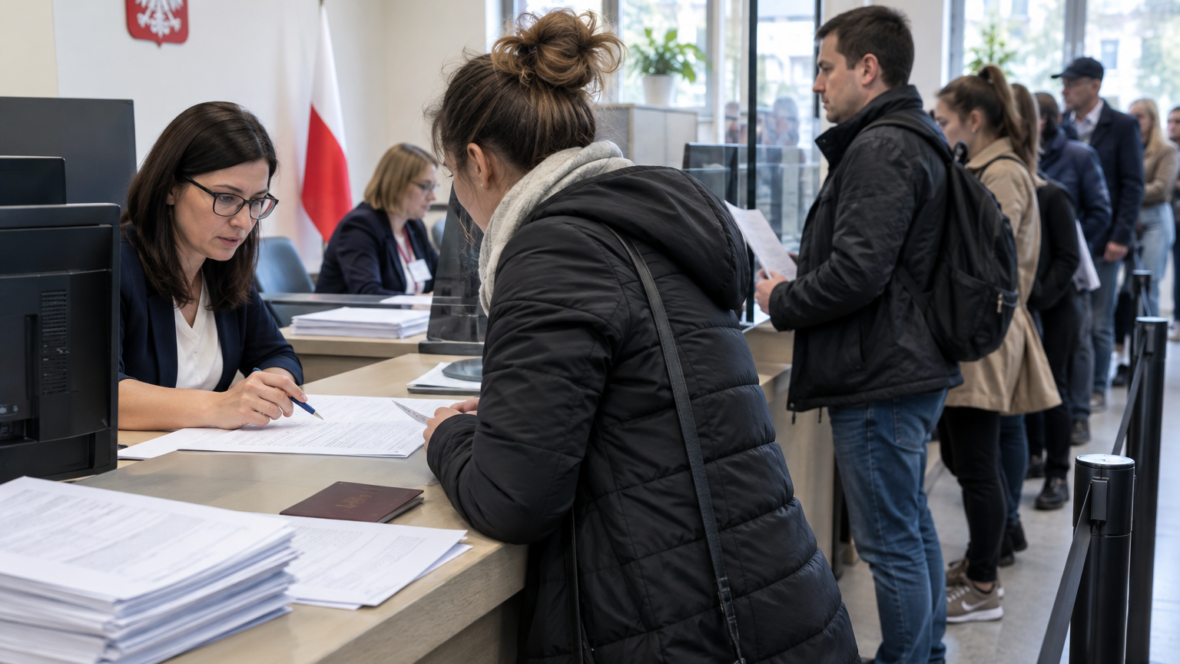
Over the course of a month the number of active UKR statuses in Poland fell by almost 82 249 cases. The PESEL register showed a drop from 950 286 to 868 037 people for the period from 11 August to 8 September 2026, which amounts to 8.7 percent. Experts note that the biggest changes affected children and adolescents, but there is not yet a precise breakdown between those who left the country and those who remained under a different status.
Some people may have left Poland, while others obtained another official status in the country. Alongside these hypotheses another question arises. The recorded fall is the largest between two consecutive PESEL register reports since January 2025 and raises questions about how changes in the system affect the labour market and benefits for Ukrainian citizens.

What does NUE mean and does it equal illegal stay?
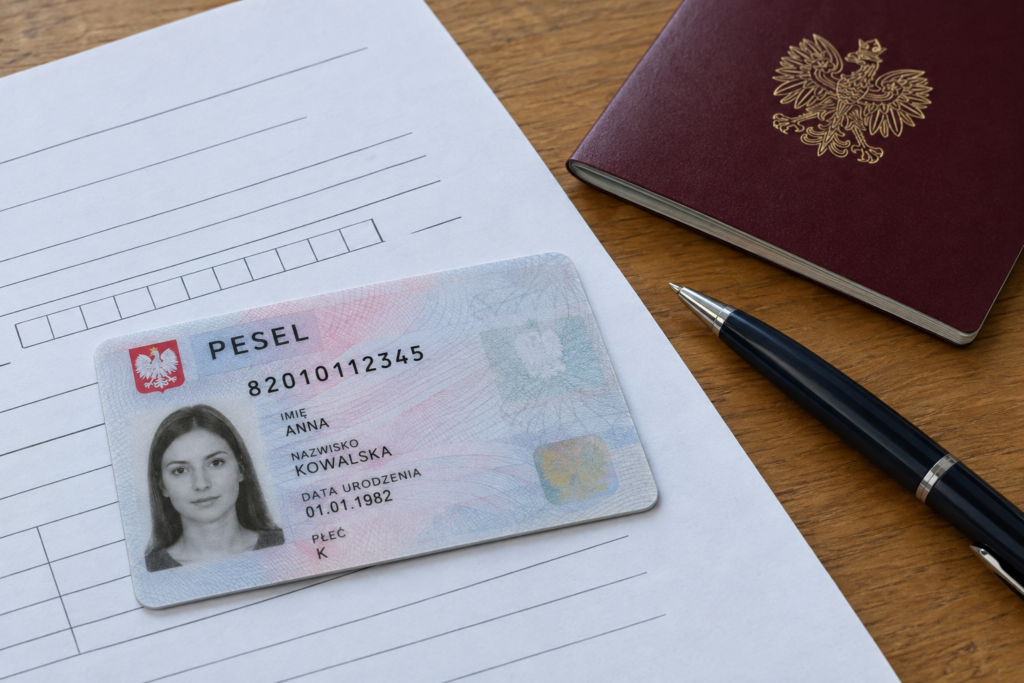
The transition of some people from UKR to NUE occurred automatically on 1 September 2026 for those who had received a UKR PESEL based on a declaration and did not confirm their identity with a valid travel document by 31 August. This change is provided for by Article 25 of the law of 23 January 2026. However, the NUE mark in the PESEL register does not automatically mean illegal stay.
As a rule, NUE denotes foreigners who are not EU citizens and do not have UKR status. This category can also include holders of residence cards. The date of the change for some statuses coincides with the period of the sharp drop in the number of UKR entries, but noting this coincidence does not definitively prove that the automatic change was the cause of the fall. No authority has published detailed statistics on the number of people directly affected by such a status replacement, experts emphasise.
Which rights and benefits do people lose after UKR disappears?
The loss of UKR can have concrete practical consequences for a person who remains in Poland without another legal basis for their stay. The most noticeable change concerns access to healthcare funded from public money. After switching to NUE, the right to free treatment disappears for most adults, although the law provides exceptions for children under 18 years of age, pregnant women during childbirth and the postnatal period, victims of torture or rape, and residents of collective accommodation centres.
A person also loses the right to the 800+ benefit. Payments already awarded are subject to checks initiated by the authority on its own motion. The route to a temporary residence permit also becomes more complicated because, as a general rule, an application submitted during illegal stay is refused. The law includes exceptions, for example for foreigners married to Polish citizens or in cases concerning the right to family life or the rights of the child. In addition, an application for a CUKR card (CUKR — the card for Ukrainian beneficiaries) can only be submitted while holding UKR status on the day of application.
How can UKR status be regained and why does this matter for Ukrainians?
The law foresees that regaining UKR is linked to re-entering Poland and submitting the appropriate application within 30 days after crossing the border. It is not currently known whether there are other formal routes to regain the status without crossing the border, so many questions remain for the Ministry of Interior and Administration of Poland (MSWiA).
This situation matters for Ukrainian readers because changes in statuses affect the labour market in Poland, the availability of labour and the strain on social and medical services. The loss of entitlement to benefits and healthcare reduces the economic stability of those who remain, which can affect household solvency, demand for services and short‑term spending. Detailed legal explanations of the consequences of the changes and possible solutions are available in the piece on Dopomo.