

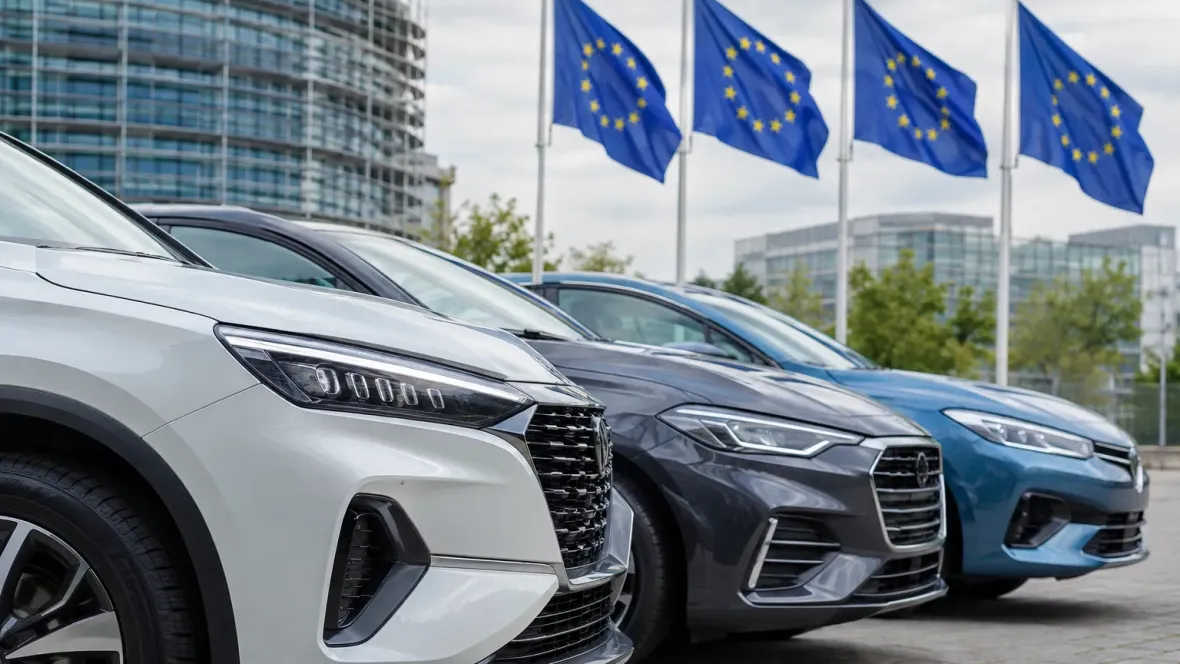
The European Parliament’s Committee on the Environment on 4 November backed a relaxation of environmental rules for carmakers. MEPs proposed setting a target at 87,5% of the 2021 baseline, which could allow the sale of some new cars with internal combustion engines (ICE) after 2035.
Endorsed decision and vote
Under current legislation, from 2035 average CO₂ emissions from new passenger cars and vans must be reduced by 100% compared with the 2021 baseline. In December 2025 the European Commission proposed easing that requirement to 90%, and now the committee has backed an even more flexible option with a target of 87,5% of the 2021 baseline.
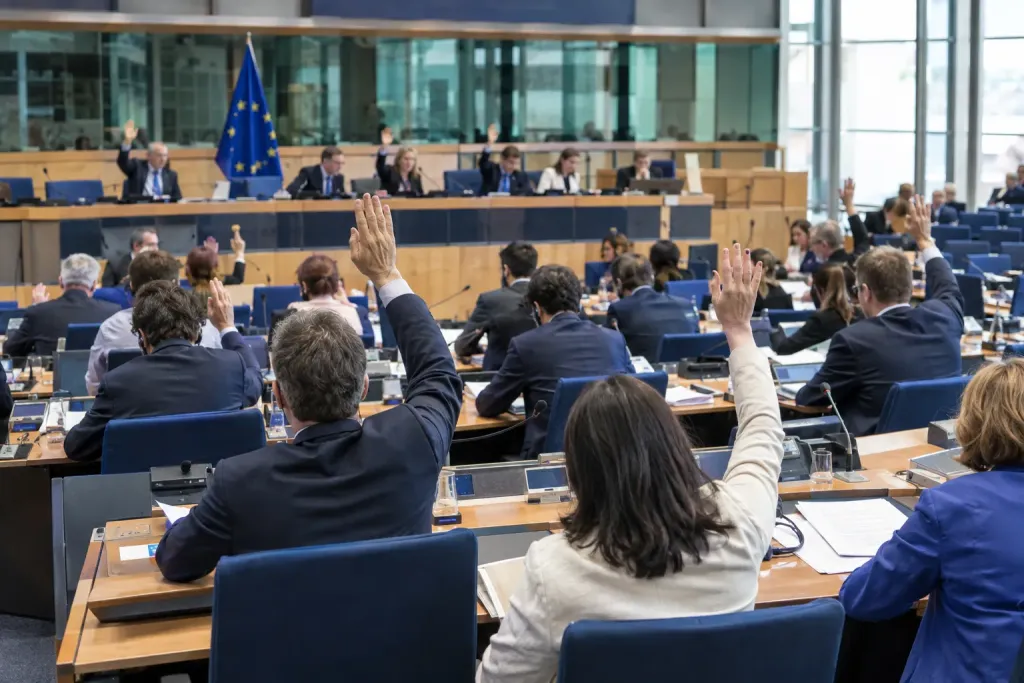
In the committee 48 MEPs voted in favour of the changes, 30 voted against and two abstained. The decision concerns amendments to fleet-average emissions requirements and must still be agreed by the full Parliament and the Council of the EU.
Possibility of selling vehicles with ICE after 2035
The proposed changes could allow manufacturers to continue selling certain internal combustion engine models, including plug-in hybrids and petrol cars, if this helps them meet fleet-average emissions requirements. This does not, however, mean unlimited sales of petrol and diesel cars.
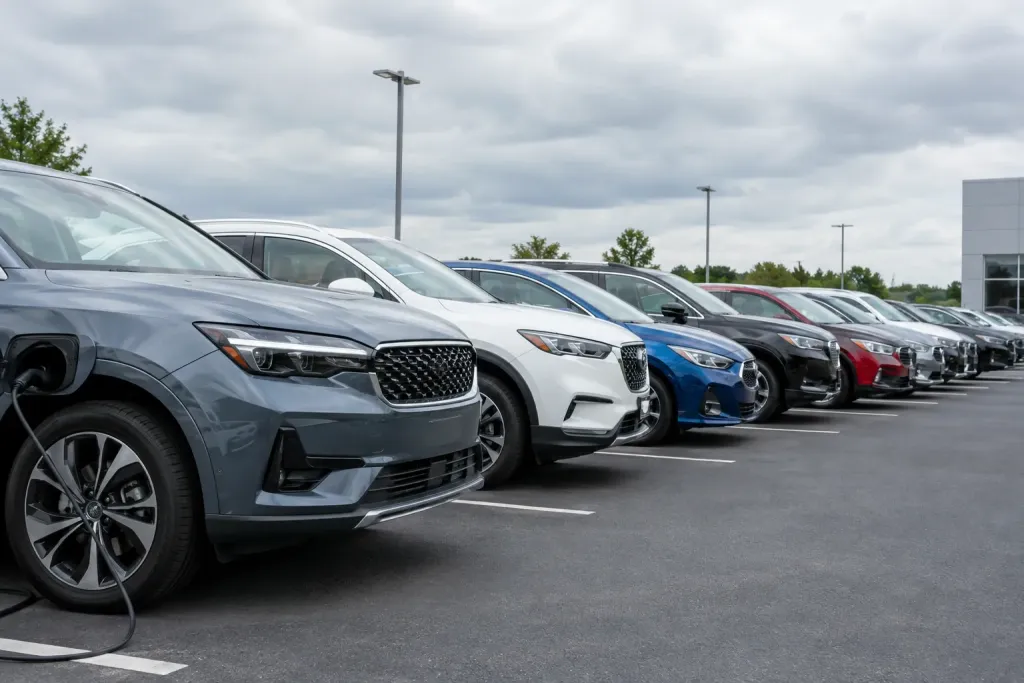
Automakers will still have to comply with rules on the combined CO₂ emissions of all new cars. The suggested possibility that ICE vehicles could account for up to 39% of sales is not a quota set by the bill — the actual share will depend on their emissions, sales mix and the use of offsetting mechanisms.
Support, opposition and next steps
The easing was supported by members of the European People’s Party, the Social Democrats and the liberal Renew Europe group. Automakers have previously urged a review of the rules because of high production costs, competition from Chinese companies and a slower-than-expected switch by some consumers to electric vehicles, while environmental organisations warn of risks to electrification and emissions reductions.
The European Parliament is expected to consider the proposal at its December 2026 plenary session, after which negotiations with the Council of the EU will begin. For now the existing rules remain unchanged: the CO₂ reduction target for new passenger cars from 2035 stays at 100%.