




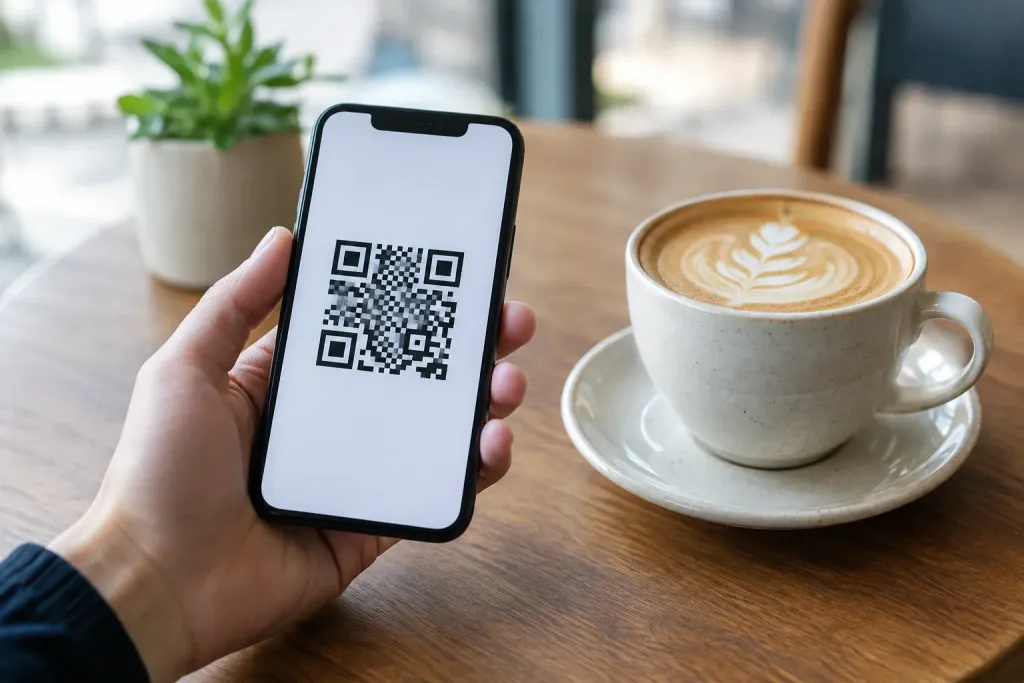
Clients increasingly leave tips not in cash but by transfer via a QR code. “Yes. It does not matter how the client gave the tip: in cash or via a QR code. Payment of taxes depends on who received them: the employee or the establishment”; “No. Regular tips for services provided are not a tax‑free gift, even if the payment purpose says ‘thank you’ or ‘for coffee’” explained the State Tax Service (STS).
Tips sent to an employee’s bank card are their income
If the QR code links to an employee’s bank card, the funds received are considered their personal income. In that case the establishment does not withhold taxes, so the employee must declare and pay the taxes themselves.
“Declare” here means the annual tax declaration of an individual — the document in which a person lists their income for the year and the taxes due. During the year the employee records tips received, and then once a year reports and pays the taxes.
Examples of tax calculations on tips received by an employee
If a customer transferred 1000 UAH to an employee, 180 UAH personal income tax (PIT) and 50 UAH military tax are charged on that amount. After paying those taxes the employee will keep 770 UAH.
In the case of such transfers, the establishment does not act as the tax agent and does not withhold taxes on behalf of the employee when the funds are received directly to the employee’s card.

Tips received by the establishment are withheld and remitted by the establishment
If a guest leaves a tip via the establishment’s terminal or to the company’s or individual entrepreneur’s account, those funds must be recorded in the establishment’s accounting. When the establishment pays them out to the employee, it itself withholds personal income tax and the military tax and remits them to the budget.
A tax agent is an organisation or an individual entrepreneur (FOP) that withholds taxes from payments to an employee and remits them to the budget on behalf of the taxpayer. If the establishment has already withheld the taxes, the employee does not need to submit a declaration for those amounts.
Declaring, deadlines and recording received tips
The reporting period for an individual is the calendar year, so the declaration is submitted once a year. The declaration can be filed through the Electronic Taxpayer’s Cabinet.
For example, tips for 2026 must be declared by 1 May 2027, and the taxes paid by 1 August 2027.
The law does not require a separate log for recording tips, but employees are advised to keep card statements or maintain a spreadsheet with the date and amount. This helps separate tips from other receipts, such as loan repayments or transfers from relatives.