


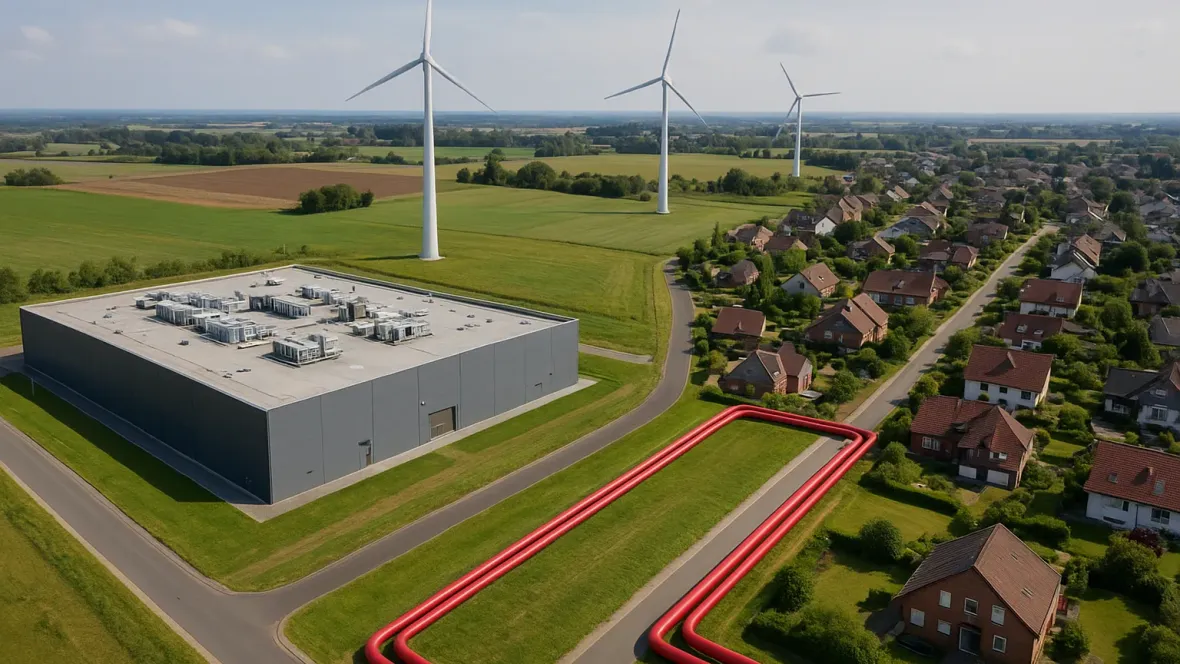
Facebook is using the excess heat from its data centre in Odense, Denmark, to heat nearly 7000 homes. About 100 000 MWh of heat, produced by its wind farm in Odense, is being used for this purpose.
How the heat is transferred to the local network
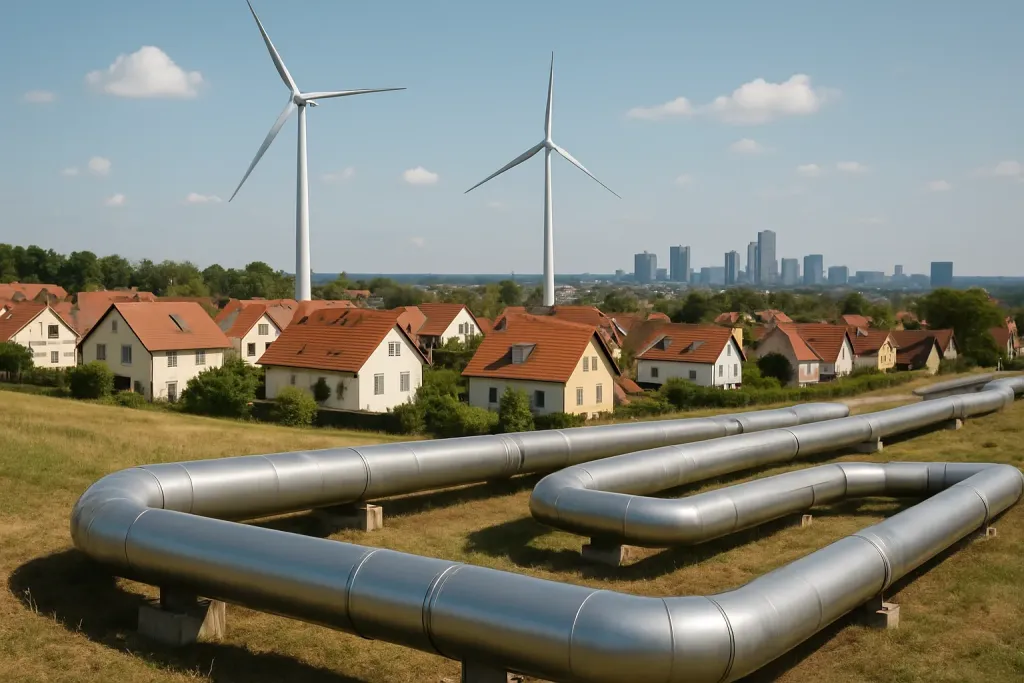
At the site in Odense the heat is carried through pipes and raises the temperature of the water inside the system. The warm water reaches a nearby heat-pump plant, where its temperature is raised again before being supplied to the community’s homes.
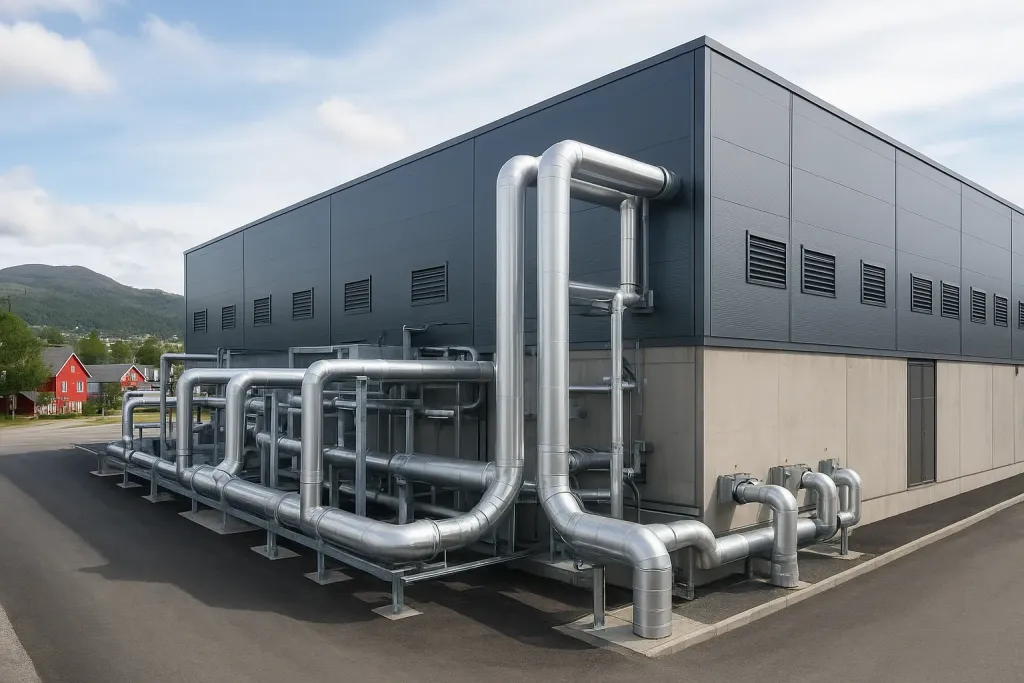
Data centres operate continuously and generate a significant amount of excess heat, which cooling systems expel outdoors. The combination of heat recovery and heat pumps makes it possible to use this energy to heat residential buildings.
Estimates of impact on the fuel balance and local targets
Using excess heat will help the city reduce carbon emissions and is estimated to lower Odense’s demand for coal by 25%. The city plans to phase out coal gradually by 2023.
In a blog post Facebook energy specialist Lauren Edelman said: “Among the qualities that attracted us to Odense are the ability to connect to the highly reliable Scandinavian power grid with capacity to add new sources of renewable energy, good access to fibre-optic cable, and the specialists needed to build and operate a data centre.” She added: “But what really set this site apart from others was the ability to recover heat.”
Odense mayor Peter Rahbek Juel said: “It’s amazing, because every time we post photos of our pets, our families, and so on on Facebook, it produces heat that will warm nearly 7000 homes.” He also expressed hope that the centre will serve as a model for other data centres.