

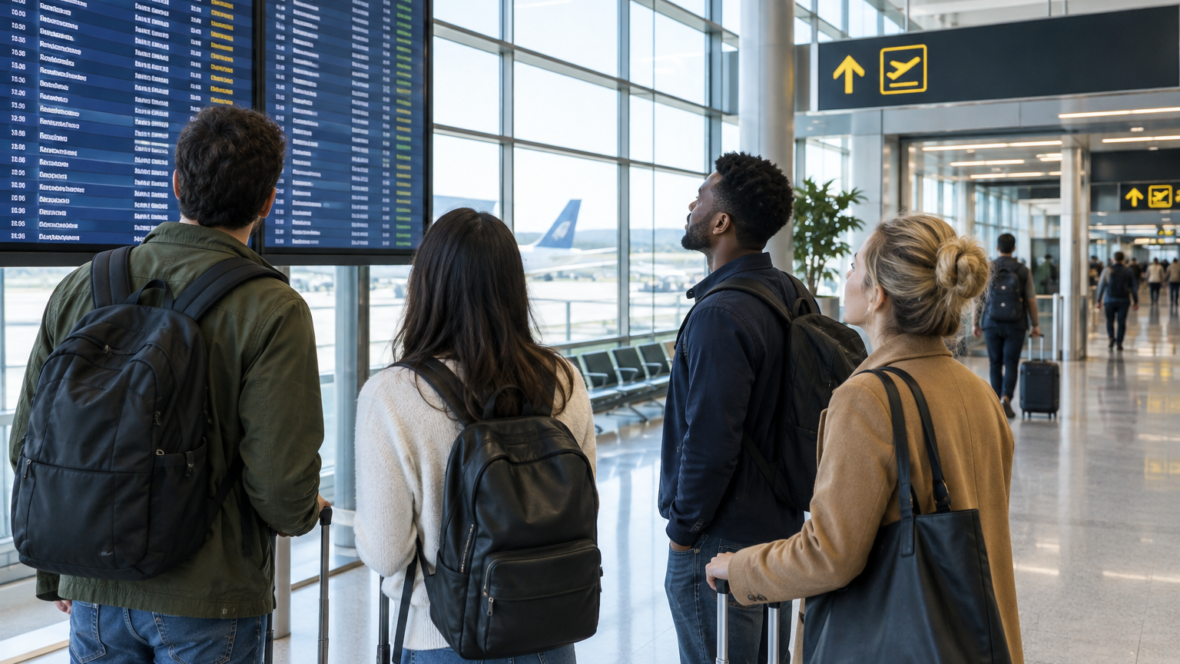
A travel publisher has identified eight common mistakes that cause travellers to lose substantial amounts of money while on trips. The list covers problems with visas, bookings, scams, documents and logistics.
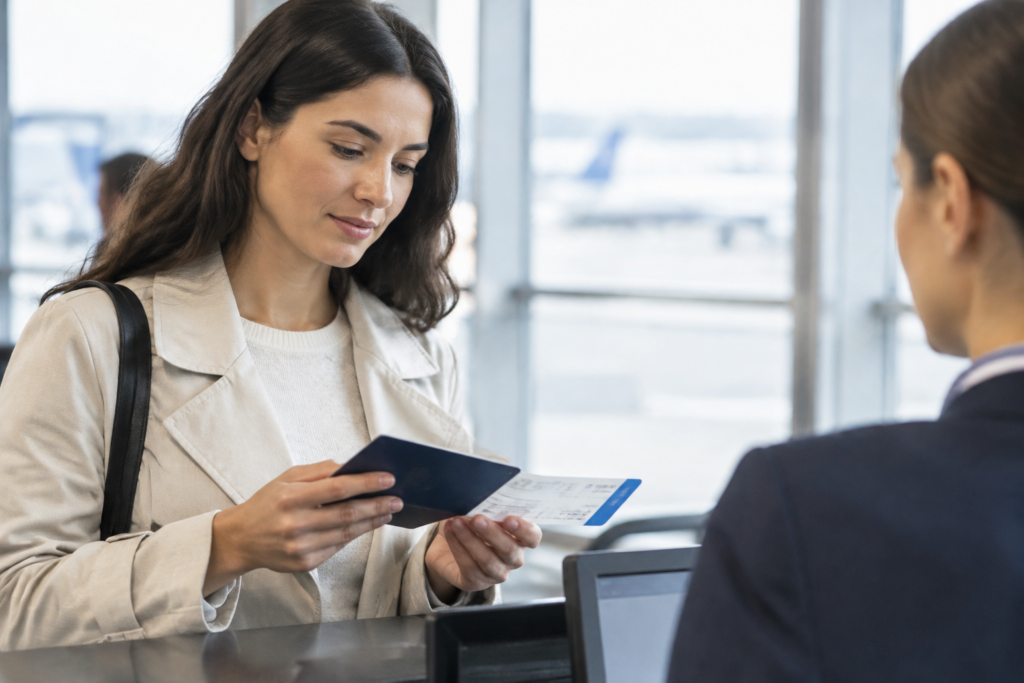
Failing to check visa requirements and travel documents
Many travellers do not check whether they need a visa, a special permit or an electronic visa to enter another country. Responsibility for understanding immigration rules on entry and exit lies with the travellers themselves.
You should especially take into account conditions when booking flights with connections: in many cases a transit visa is required. Also, if driving in another country you must have an international driving licence.
Over-reliance on artificial intelligence when planning
Artificial intelligence can provide trip ideas, but it is not always reliable on facts — it should serve as a source of inspiration rather than definitive information. Experts urge travellers not to rely solely on ChatGPT and to verify information on official websites or consult a travel agent.
Unverified information from AI can lead to an incorrect route, wasted time or additional costs to change plans.
Booking problems and choosing the cheapest fares
Common booking mistakes — confusion over dates, times, airports, stations or trains — often lead to urgent changes to logistics and extra costs. The cheapest fares may not include insurance or refunds, which can be costly in the event of cancellation.
Because of such mistakes, travellers may have to pay to change tickets, book new accommodation or lose money already spent on non-refundable services.
Scams, missed flights and loss of personal belongings
Scammers are inventing increasingly sophisticated schemes, so travellers often become their targets during purchases or when interacting with strangers. Many people also misjudge timings and miss flights, which is particularly critical when making connections.
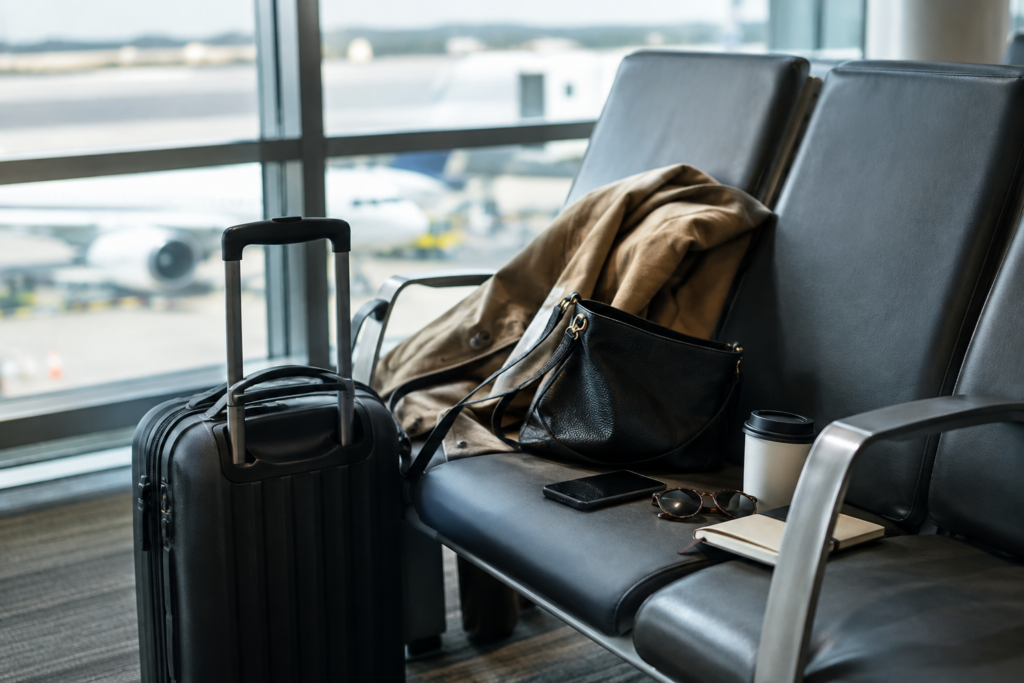
Travellers frequently forget passports, wallets, travel tickets or cameras on planes, at passport control desks or in hotel safes, leading to losses and extra expenses to replace documents and belongings.