



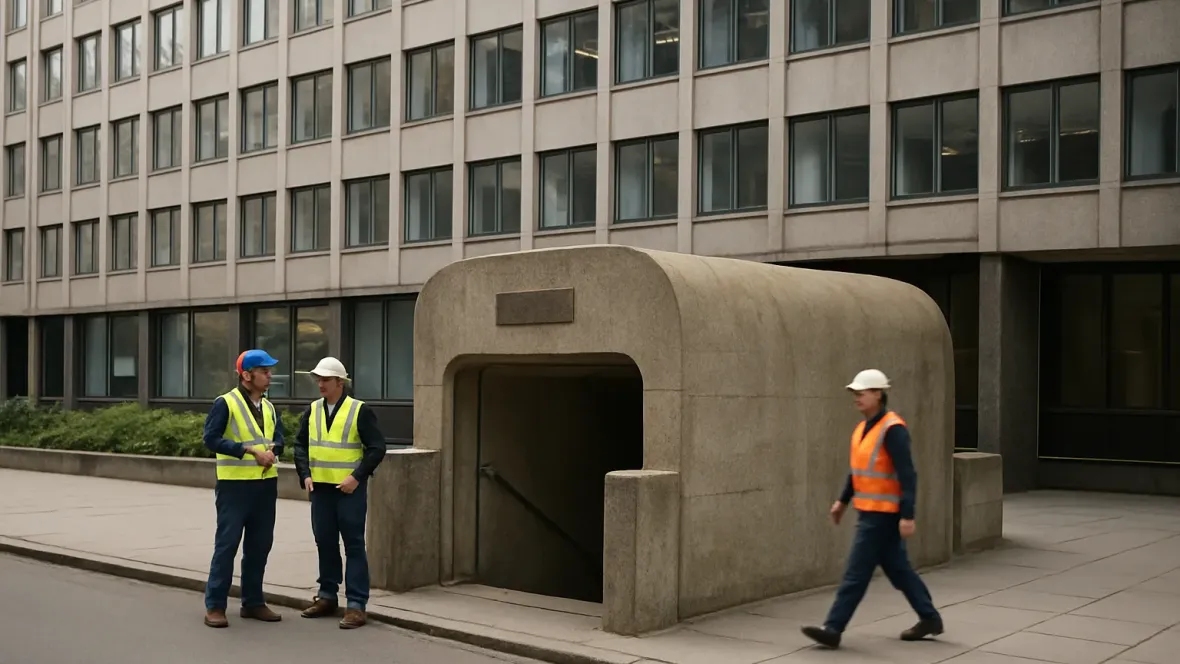
The Cabinet of Ministers of Ukraine (the Cabinet) approved resolution No. 1092 of 4 September 2026: from 5 December 2026 enterprises without shelters or safe spaces will not be able to operate during yellow air‑raid alerts. The government is preparing postponements for some businesses; some entrepreneurs may be given extra time until April or June 2027.
Which rules will apply from 5 December
The resolution divides air‑raid alerts by level: a yellow alert is declared when there is a threat from drones, and a red alert for missile, missile‑and‑drone or mass drone threats. During a yellow alert a business may operate only if it can provide protection for employees and visitors.
The protection does not have to be a separate bomb shelter: an approved protective facility, a permanent or temporary shelter, a dual‑use structure or a fitted safe space within the building are acceptable. The transitional period for businesses that did not have adequate protection ends on 4 December 2026; from 5 December the general rule banning work during yellow alerts comes into force.
Who can get a postponement and on what conditions
The Ministry of Economy of Ukraine (the Ministry of Economy) has drafted amendments that provide two options for extending the deadlines to equip shelters: for some enterprises until April 2027, for others until June 2027. At the end of October Prime Minister Serhiy Koretskyi acknowledged that a large share of businesses had not met basic safety requirements.
Member of Parliament Yaroslav Zheleznyak published the conditions of the Ministry of Economy’s draft on 16 November and said that merely intending to equip a shelter would not be enough - an entrepreneur must confirm with documents that work has already begun. According to Zheleznyak, six documents will be required. The MP also noted that “none of them are issued by the state.” As of 21 November these conditions remained proposals that the government must approve.
Access to shelters, their distances and the costs for business
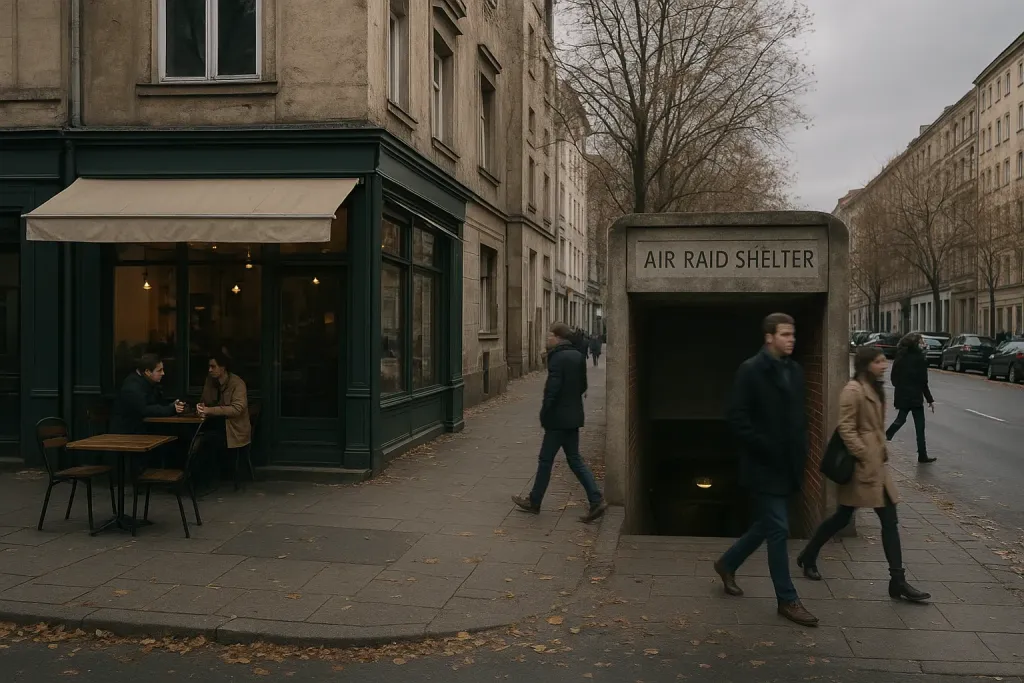
The Ministry of Internal Affairs, in a letter to the Cabinet, set an indicative distance to an external shelter: up to 300 metres in high‑rise areas and up to 500 metres in low‑ and mid‑rise areas. A shelter must accommodate all employees and visitors who could be in the premises at peak times, and arrangements for its use must be agreed with the asset holder.
Research by Ekonomichna Pravda, which examined about 59,000 establishments in Kyiv and roughly 3,100 shelters, showed that 85% of establishments have a shelter within a 300‑metre radius, while 15% (8,700) do not. If shelter capacity is taken into account and one shelter is assumed to serve no more than ten establishments, the number of businesses without access rises to 22,000, or 36%.
The cost of private shelters and the impact on working hours
If there is no protective facility nearby, one option is to install a mobile shelter on private premises, but their cost has risen: in October the Union of Ukrainian Entrepreneurs (Spilka ukrayinskykh pidpryiemtsiv) reported that prices increased from UAH 600-800 thousand to UAH 1.2-1.4 million, and lead times for ready structures can reach six months. There are examples of companies fitting their own shelters: in particular, Ukrnafta is installing 13 concrete structures at filling stations in Kyiv and the region.
According to Yaroslav Zheleznyak’s calculations, a business in Kyiv that operates on weekdays from 09:00 to 18:00 and is not permitted to work during yellow alerts could, based on October data, stand idle for 38 working hours. By 4 December entrepreneurs need to establish access to shelters and meet the conditions of the proposed postponement; if the changes are not adopted, from 5 December enterprises without adequate protection will halt operations during yellow alerts.