


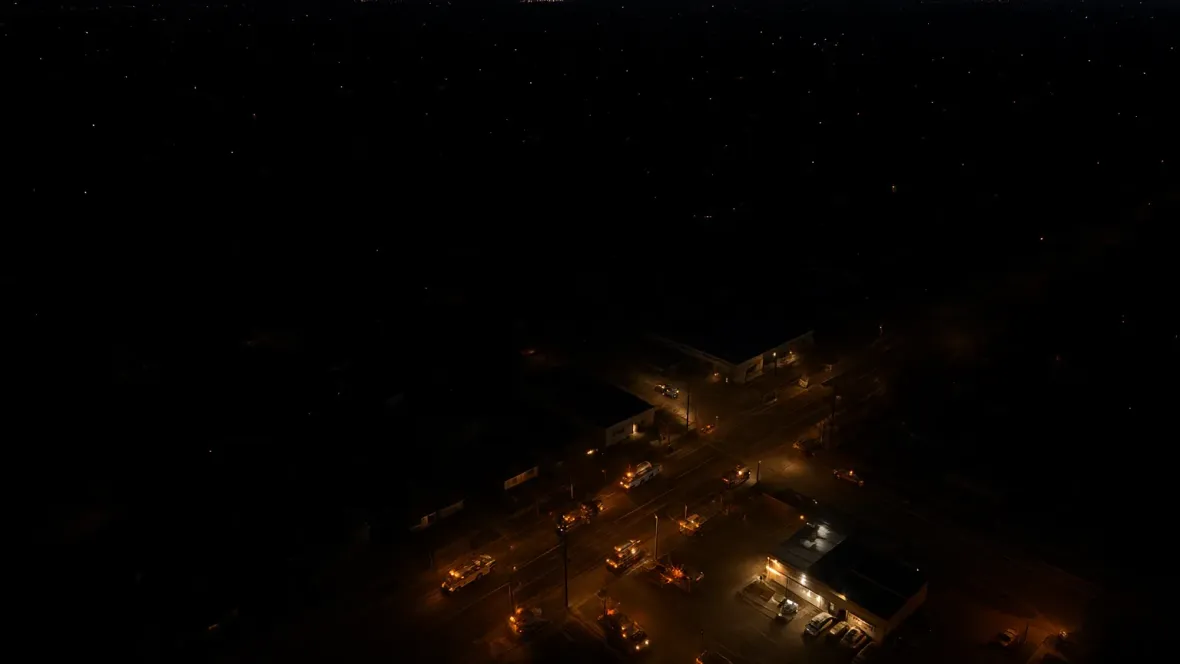
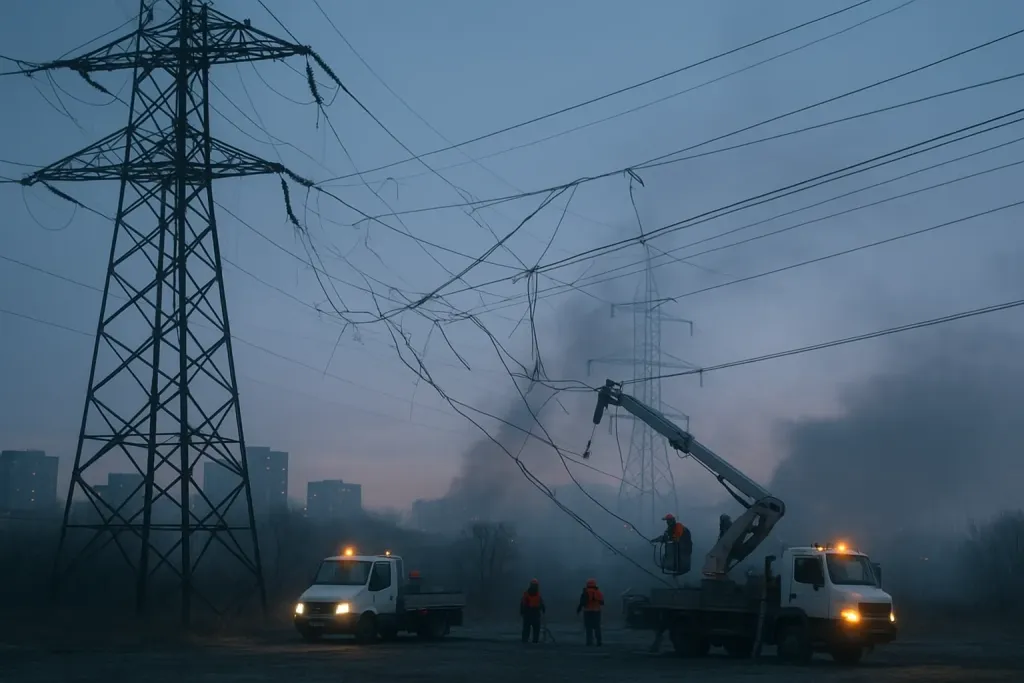
According to the National Energy Company “Ukrenergo” (NEC “Ukrenergo”) on 22 November, Russian attacks damaged trunk power networks and caused large-scale power outages in Odesa and neighbouring districts.
Network damage and restoration work
Ukrenergo stated that “Due to extensive damage it is currently physically impossible to deliver the necessary volume of electricity to consumers.” Energy crews worked on restoring the networks throughout 21 November and into the night of 22 November, but repairs were hindered by air raid alerts and the threat of new attacks, meaning teams could not always work continuously.
On the morning of 22 November it was possible to partially restore power to critical infrastructure facilities; backup power schemes are being prepared to gradually return electricity to other consumers. Full normal restoration will take time, the company added.
Impact on city infrastructure
The power outages caused problems with water and heating supplies in the city; water was brought in by tankers while public taps continued to operate. City electric transport was temporarily suspended: on some routes trams and trolleybuses were replaced by buses.
Education was affected: from 23 to 27 November inclusive, Odesa schools will operate remotely, and kindergartens will keep duty groups for children of critical infrastructure workers. For pupils who cannot join online lessons because of power outages, video lessons have been prepared.
Impact on business and winter preparations
According to a study by the European Business Association (EBA) on 20 November 2026, 87% of surveyed companies reported that power outages affected their operations. 67% were forced to suspend work, production costs rose for 60%, 48% changed work schedules, 36% reduced production or service volumes, 11% experienced contract breaches, and 3% reported a complete shutdown.
The EBA survey was conducted from 10 September to 7 October 2026 with the participation of 83 company executives and top managers who are members of the association; the results pertain to survey participants and not all Ukrainian businesses. A separate survey by Deloitte Ukraine and the American Chamber of Commerce indicates that 62% of firms named power cuts as the main threat to operations for winter 2026/2027.
According to the surveys, 74% of companies said developing backup power supply was the main area of winter preparation, and 60% of planned measures were still being implemented. The EBA also reports that 85% of companies have invested in energy independence since 2022, 66% have their own generation or alternative sources, and among them 34% have autonomous power covering more than half of their needs.
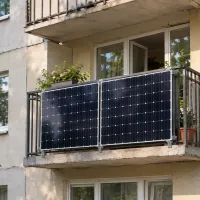
In terms of investment structure companies cited solar power plants (24%), energy storage systems (19%), new networks and infrastructure (17%) and distributed gas generation (11%). Own sources require additional expenditure on equipment, fuel and service, and cannot always fully replace centralized supply.