



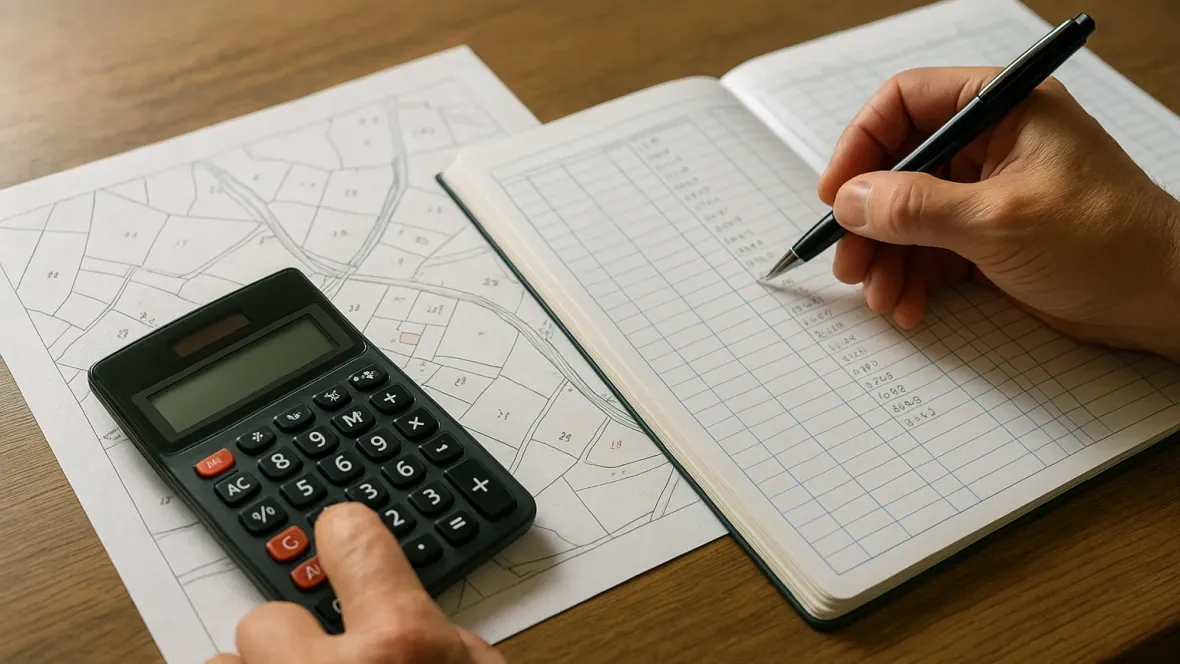
From January-October 2026 local budgets received 42,2 billion UAH in land tax, 11,8% more than in the same period last year, the State Tax Service of Ukraine reported on 27 November.
Regions with the largest receipts
The largest receipts over the ten months of 2026 were recorded in Dnipropetrovsk Oblast - 7,4 billion UAH. Kyiv came second with 5,7 billion UAH, third was Odesa Oblast with 3,7 billion UAH, and Lviv Oblast received 3,1 billion UAH.
These four regions together provided 19,9 billion UAH, or about 47% of all land tax receipts in Ukraine. By comparison, in January-October 2025 budgets received 37,7 billion UAH, so receipts rose by approximately 4,5 billion UAH over the year.
►Read Minfin on Instagram: main news about investments and finance

How land tax is assessed
Land tax is assessed for the actual period of ownership or use of the plot. The obligation to pay the tax arises from the moment the relevant right is acquired and ends after it is lost.
If the owner of a plot changes during the calendar year, each owner pays tax only for the period during which they owned the land. For example, if a plot is sold in July, the previous owner pays tax for the period up to the start of the month in which they lost ownership rights, and the new owner pays starting from the month they acquired ownership.
The amount of land tax depends on the normative monetary valuation of the land, its designated use and the rate set by the relevant local council.
Exemptions and taxation of leased land
The Tax Code provides for exemptions from land tax for certain categories of individuals. Persons with disabilities of groups I and II, pensioners by age and citizens raising three or more children under 18 have the right to a relief.
War veterans and persons covered by legislation on their social protection, as well as citizens affected by the Chernobyl disaster, are also exempt from paying the tax. The relief does not apply to any acreage: the legislation sets maximum plot sizes depending on their designated use, so having a preferential status does not always mean full exemption from tax on all plots owned.
Separate rules apply to owners of land plots and land shares (paї) who have leased them to agricultural enterprises. Owners of plots and shares leased to payers of the single tax of the fourth group are exempt from land tax for the duration of the lease, provided the requirements of tax legislation are met.