

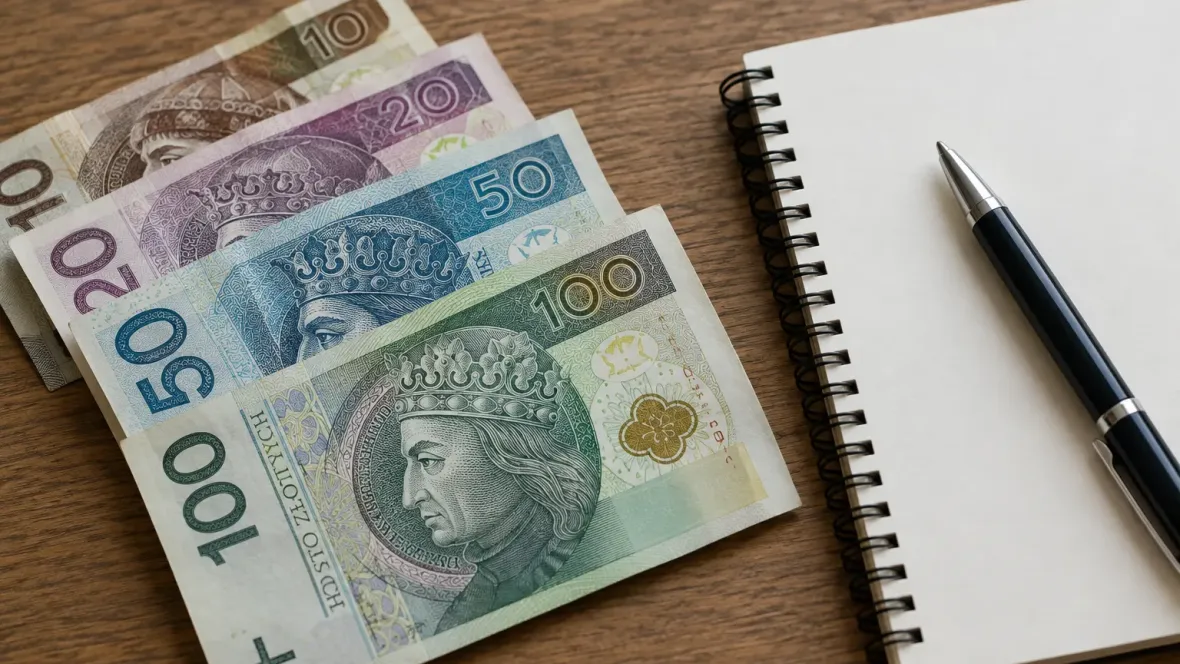
Ukrainians spent almost 3.5 billion zlotych in Poland over half a year, 2.4% more than in the same period last year, when the sum was 3.42 billion zlotych. Below are the rules for keeping cash at home, restrictions on bank transactions and spending statistics.
Rules for keeping cash and requirements for banking transactions
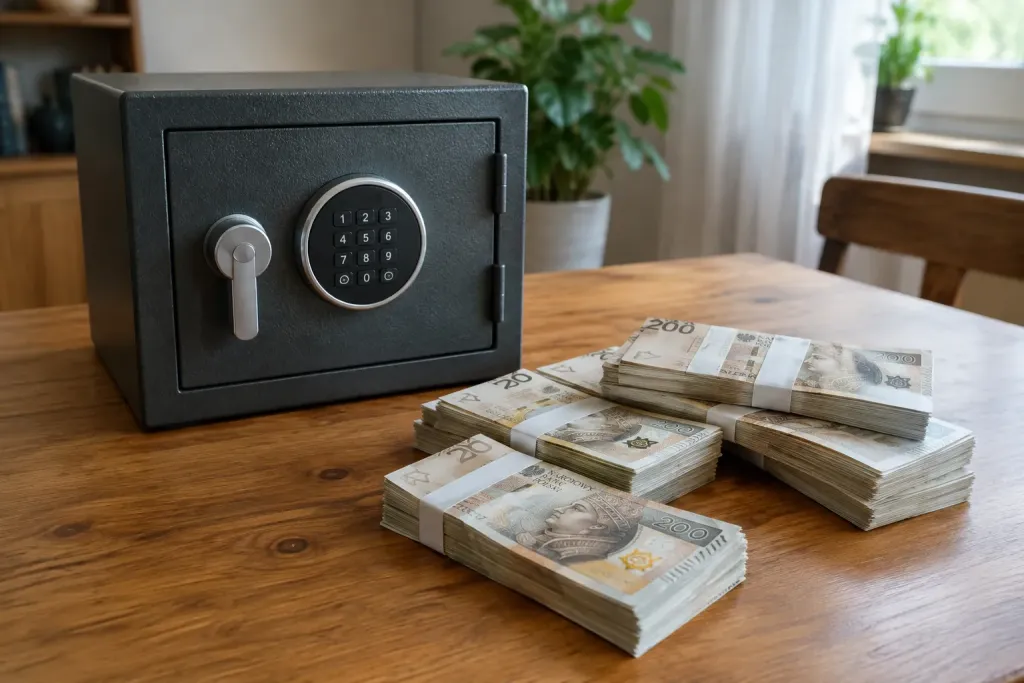
Polish legislation does not set a legal limit on the amount that may be kept at home; storing cash outside banks in itself does not entail legal consequences. However, when cash is used in banking operations the rules of the European Union (EU) and national anti-money laundering requirements apply — banks must monitor and register transactions over the equivalent of 15 000 euro (approximately 65 000 zlotych).
Proof of the lawful origin of funds may be required when depositing money in a bank. A tax declaration (an official document in which an individual or legal entity reports income and taxes paid) often serves as one such proof. The example mentions proof of origin through monthly savings of small amounts from salary over 30 years.
Banks’ position and recommendations on cash reserves
Banks stress that cash kept at home should be an emergency reserve rather than a method for long-term storage. Narodowy Bank Polski has not set a precise recommended amount, while financial experts advise keeping a reserve of several thousand zlotych at home.
European banks recommend holding enough cash for a few days in case of crisis situations, including an armed attack. “Anti-money laundering” refers to measures to prevent the legalisation of illicit proceeds, which is why banks tighten controls on large cash transactions.

Trends in Ukrainians’ spending in Poland and the expenditure breakdown
The pattern of Ukrainians’ spending in Poland has shifted: in 2014 spending amounted to 5.18 billion zlotych, in 2019 — 7.73 billion zlotych. The COVID-19 pandemic reduced the total to 2.65 billion in 2020 and to 2.94 billion in 2021; recovery began in 2022 (5.44 billion), spending exceeded 7.1 billion in 2023, and rose to 7.71 billion zlotych in 2025.
The largest share of spending was on non-food goods — 76.3% of expenditures; food and non-alcoholic beverages accounted for 15%, and other services for 8.7%.