




Oil stocks have fallen to their lowest level since 1982
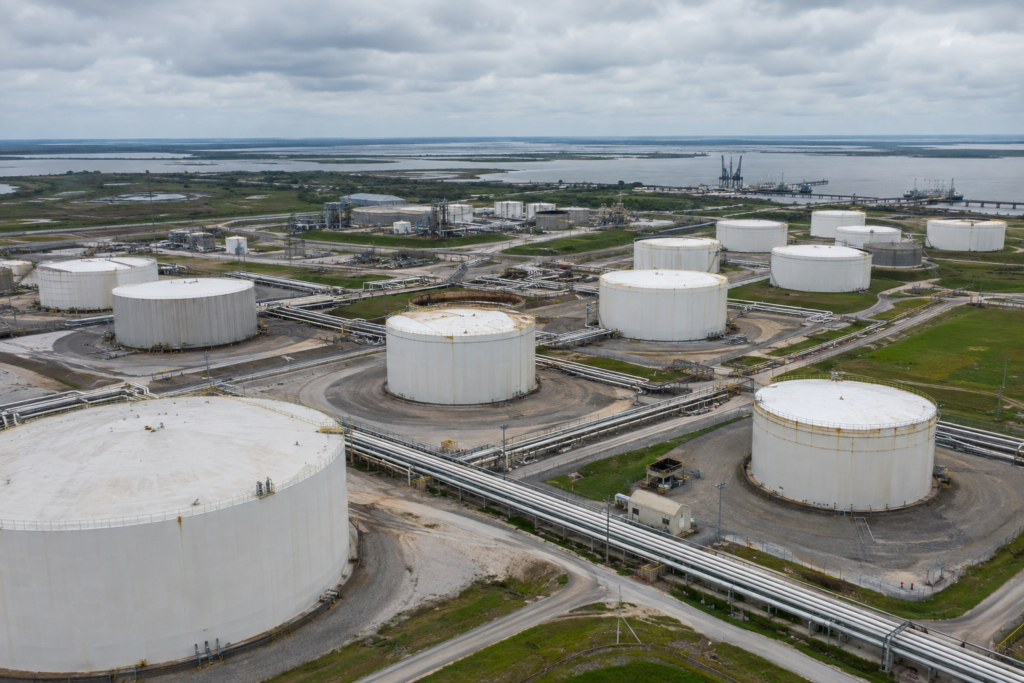
Crude oil stocks in the Strategic Petroleum Reserve of the United States (SPR) have been reduced to 283.8 million barrels. This is the reserve’s lowest level since 1982 and roughly 40 percent of its maximum capacity.
The reduction followed a decision to release 172 million barrels as part of a joint initiative by member countries of the International Energy Agency (IEA). The US Department of Energy reports this.
Why now and how the outflow occurred
IEA countries agreed to release a record total of 400 million barrels of oil to stabilise the market and reduce fuel prices. Part of that package fell to the United States, and the release of 172 million barrels reduced the reserve’s stocks to their current level.
Global stocks began to fall at the start of March amid sharp price rises and supply disruptions against the backdrop of the conflict in the Middle East. According to Morgan Stanley’s estimates, over the period from 1 March to 25 April stocks were shrinking at an average of 4.8 million barrels per day, and about 60 percent of that reduction was crude oil.
Historical context of the reserve and its capacity
The Strategic Petroleum Reserve of the United States reached its maximum level in December 2009, when stocks stood at 727 million barrels. The previous low until recently was at the end of October 1982, when 283.3 million barrels were held in the reserve.
The current level, about 40 percent of maximum capacity, limits the reserve’s ability as a tool to respond to prolonged supply disruptions. The reserve was created to provide the country with energy in case of supply interruptions and to curb sharp price rises.
Who will be affected by the drawdown and what to expect
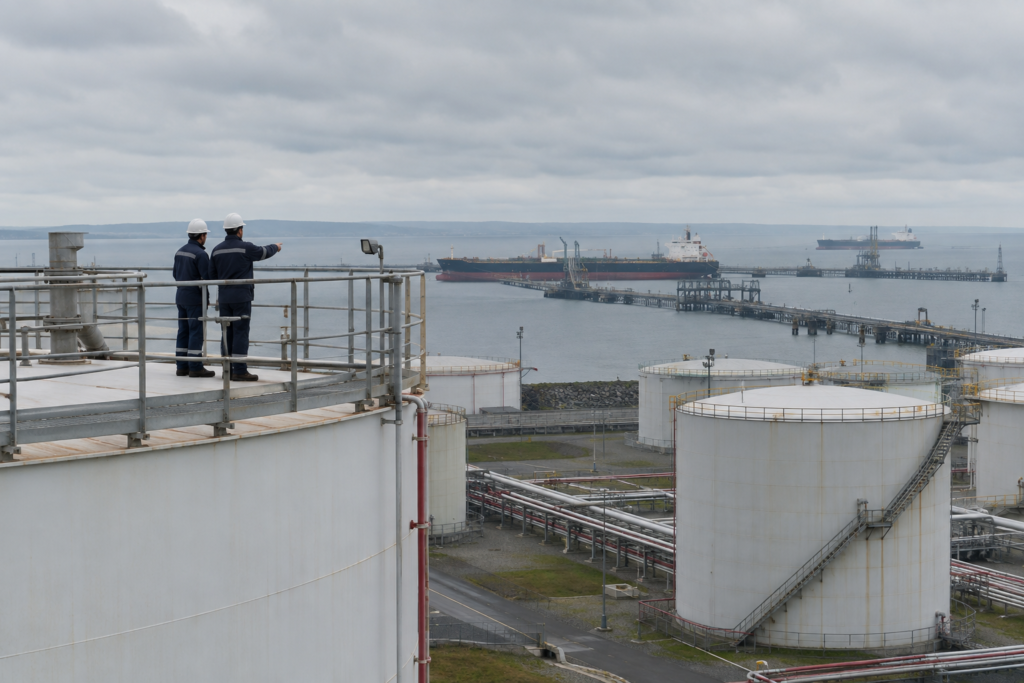
The release of a large volume from the reserves aims to stabilise the global market and help reduce fuel prices. The effects will be felt by producers, traders and end consumers as feedstock availability and refined fuel prices change.
If global stocks continue to decline at the pace estimated by Morgan Stanley, this could increase price volatility despite IEA intervention. At the same time, the current level of the US reserve highlights the limitations of the tool in the event of prolonged supply shocks.