



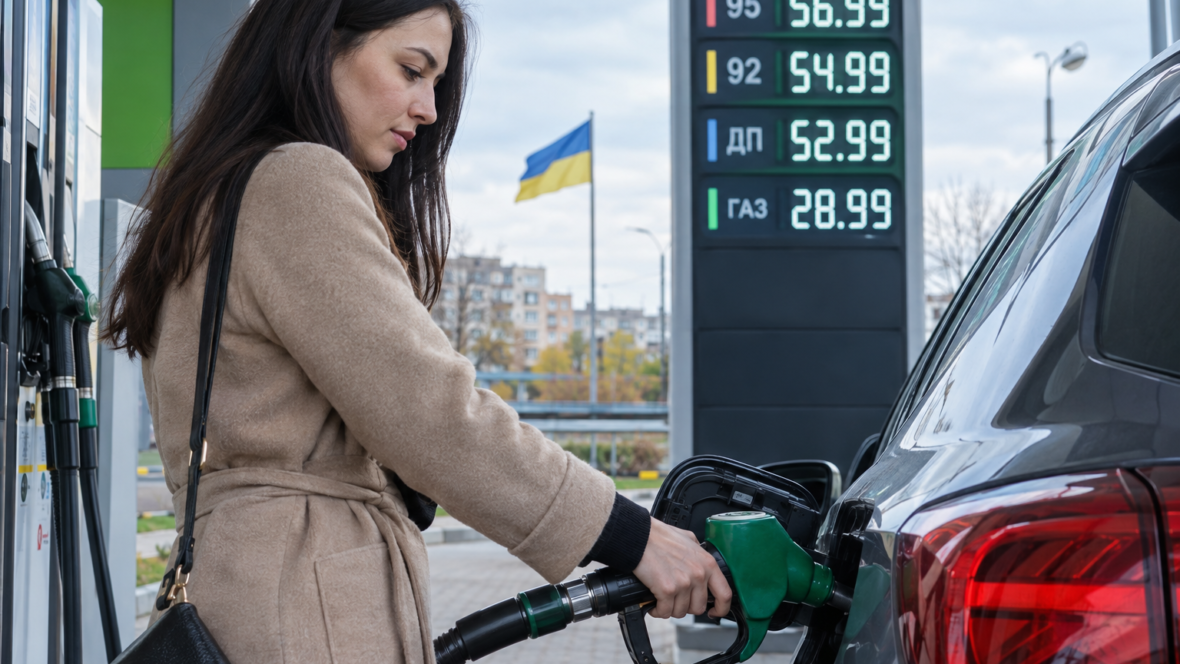
Why current price tags look like the “bottom”
Market observers say that current figures at petrol stations will not be sustained for long. The current price tags at Ukrainian petrol stations (АЗС) are the lowest drivers will see over the next six months, and this is not just an on-the-ground impression.
The main reasons are simple. Global oil stocks are depleted and geopolitical tension increases supply risks. Additional tax burdens also put pressure on the production cost of fuel, and therefore on retail prices.
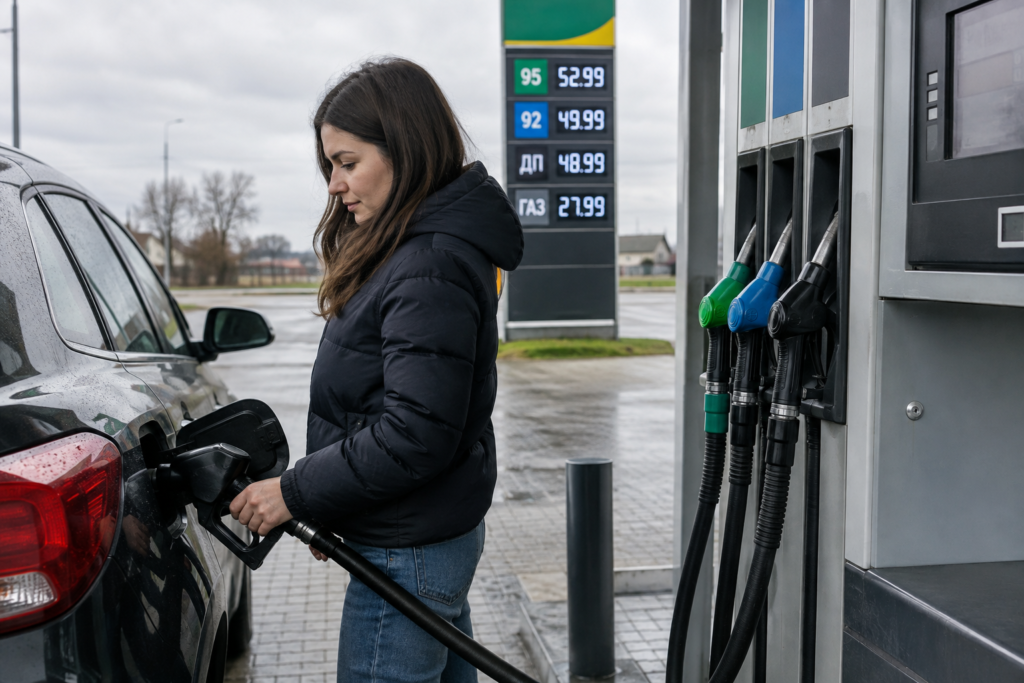
Comparison — before and after
A brief comparison shows that the present picture differs from what may arrive within a few months. Current low prices will slowly rise under the influence of external factors and domestic taxes.
| Before | After |
|---|---|
| Current lowest price tags at Ukrainian petrol stations (АЗС) | Diesel 115−120 UAH per litre in February 2027. Petrol will be approximately 10 UAH cheaper. Theoretically, at European prices up to 140−145 UAH per litre, but this is unlikely |
This table reflects not so much precise present figures as the direction of movement. If we take the European market as a basis, where diesel costs 2.8−2.9 euros per litre, Ukrainian prices could rise even further.
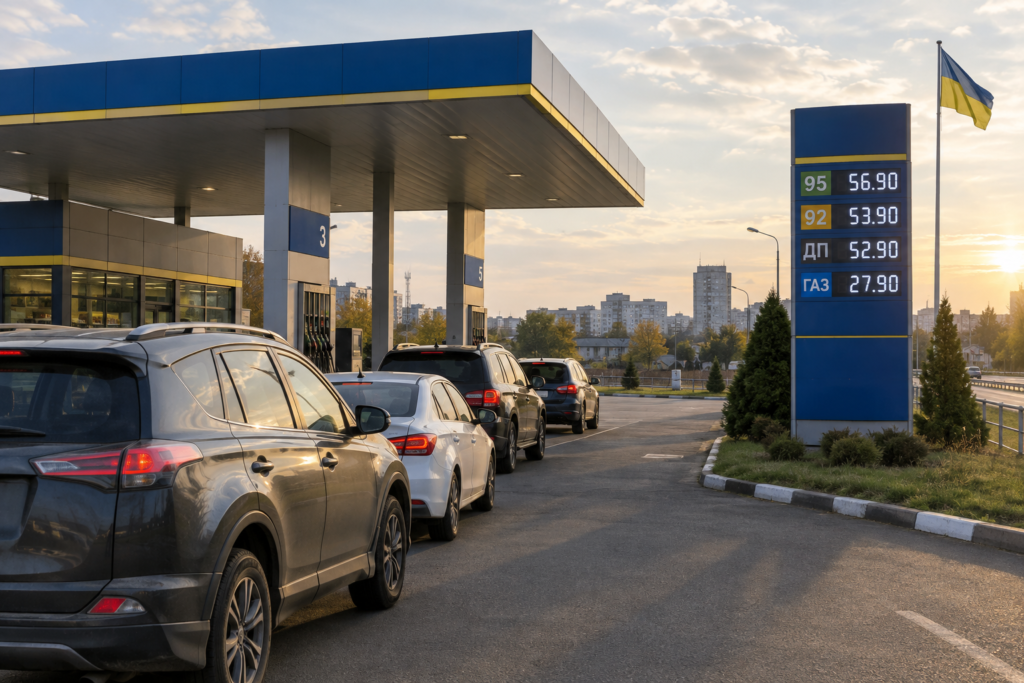
Which scenarios does the expert predict and what this means for drivers
Estimates for the next three to six months were given by fuel market expert Dmytro Lyoushkin during a broadcast. He said there are two realistic scenarios for the fuel market.
Under the realistic scenario diesel could rise to 115−120 UAH per litre already in February 2027, while petrol would be roughly 10 UAH cheaper. In the case of full alignment with European prices the theoretical maximum would be 140−145 UAH per litre, but the expert considers this development unlikely.
Additional risk factor — winter and confrontation
Lyoushkin draws attention to the fact that the coming winter could be a severe test for the energy system. The combination of increased energy demand and geopolitical pressure will affect global prices, and therefore the Ukrainian market.
“These are not large figures. This is an optimised scenario,” Lyoushkin concluded.
For drivers this will mean an increase in the total amount spent on fuel. If delivery and taxes currently make up part of the cost, when the base price rises the final burden on consumers’ wallets will also increase.