


What happened and why it was developed
A group of students from the Swiss Federal Institute of Technology in Zurich (ETH Zurich) developed a bicycle that can move along streets without a person at the handlebars. It avoids obstacles, brakes in time and can ride itself to a user or return to an area with higher demand.
The development is not intended to replace cyclists. The students targeted rental services where bikes are hired through an app. The main idea is to automate logistics to reduce the costs of manual repositioning and to better redistribute the fleet between neighbourhoods.
Why it’s possible now
Technical components that made the idea possible
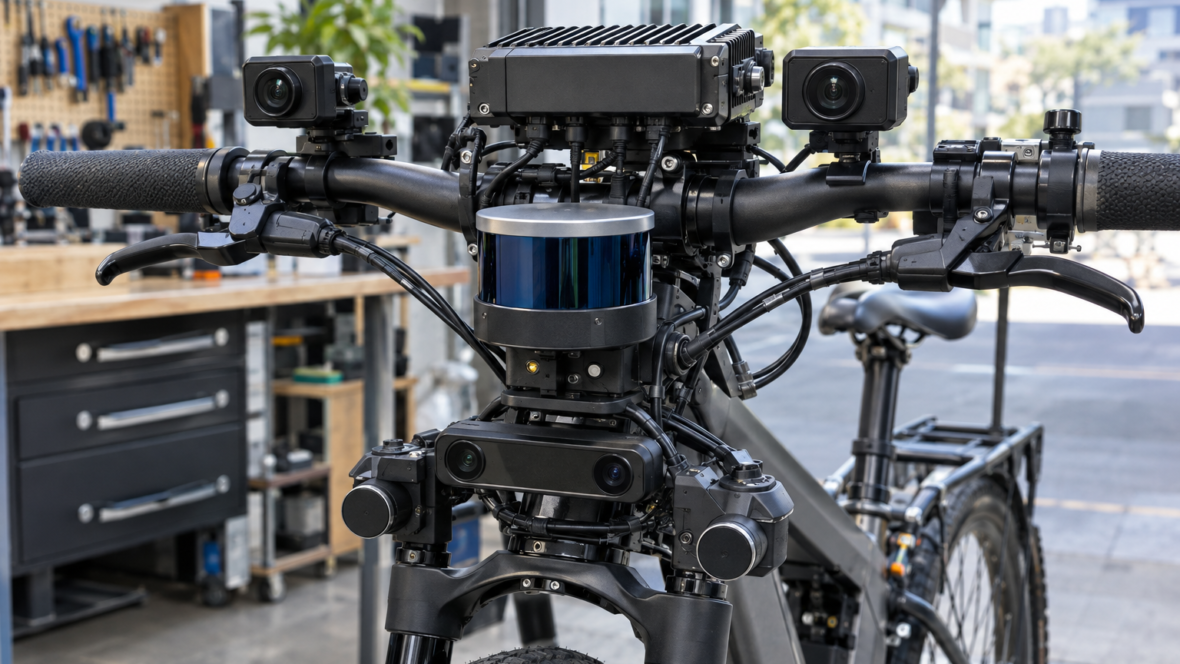
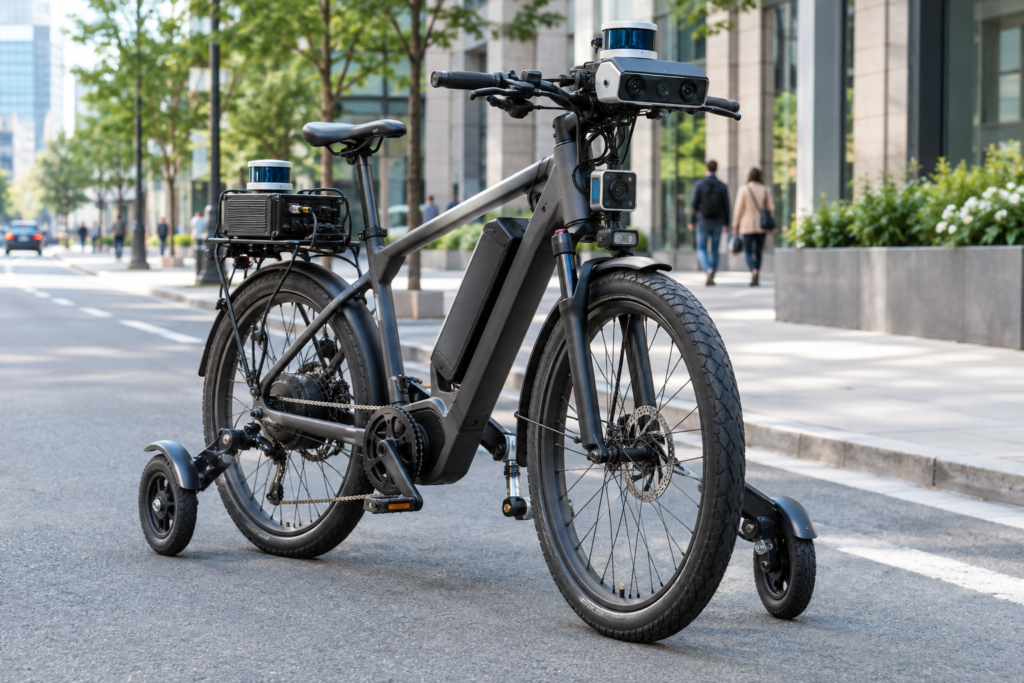
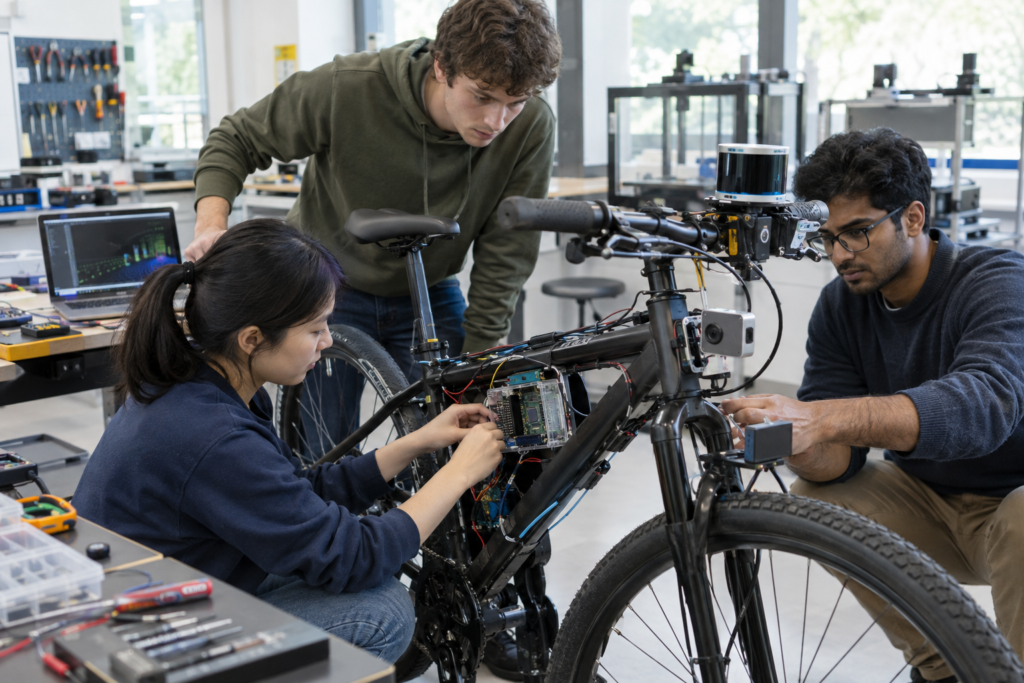
The bicycle is equipped with cameras and sensors, and the collected data is processed by an onboard computer. The system works somewhat like autopilots in modern cars, which allows it to recognise objects and obstacles and to select a route in real time.
An electric motor, as on ordinary e-bikes, assists movement, and two side wheels similar to those on children’s bikes have been added for stability. The computer turns the handlebars and presses the brakes without human intervention, making movement autonomous and relatively safe for an urban environment.
Who and how the innovation will affect
Rental companies stand to benefit most directly. Today a customer can leave a bike in an area where demand is low and the vehicle then stands unused for a long time. Such logistical imbalances reduce services’ profitability and force companies to spend money on staff to relocate bikes.
An autonomous bike would return itself to busy areas and ride to a user in a remote neighbourhood. This expands service coverage and could attract more customers because it should increase vehicle availability without additional operating costs.
Limitations and realistic expectations
The students claim their development removes the logistics problem for rental services, but that assertion applies to a specific task. Safety issues in dense traffic and interactions with pedestrians remain critically important and require further testing.
So far the system has been shown in a video demonstrating the cameras, sensors and onboard computer, but everyday city life introduces unpredictable situations. Large-scale deployment will require additional trials and regulatory approvals concerning the operation of autonomous vehicles.