

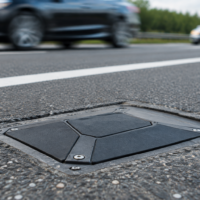

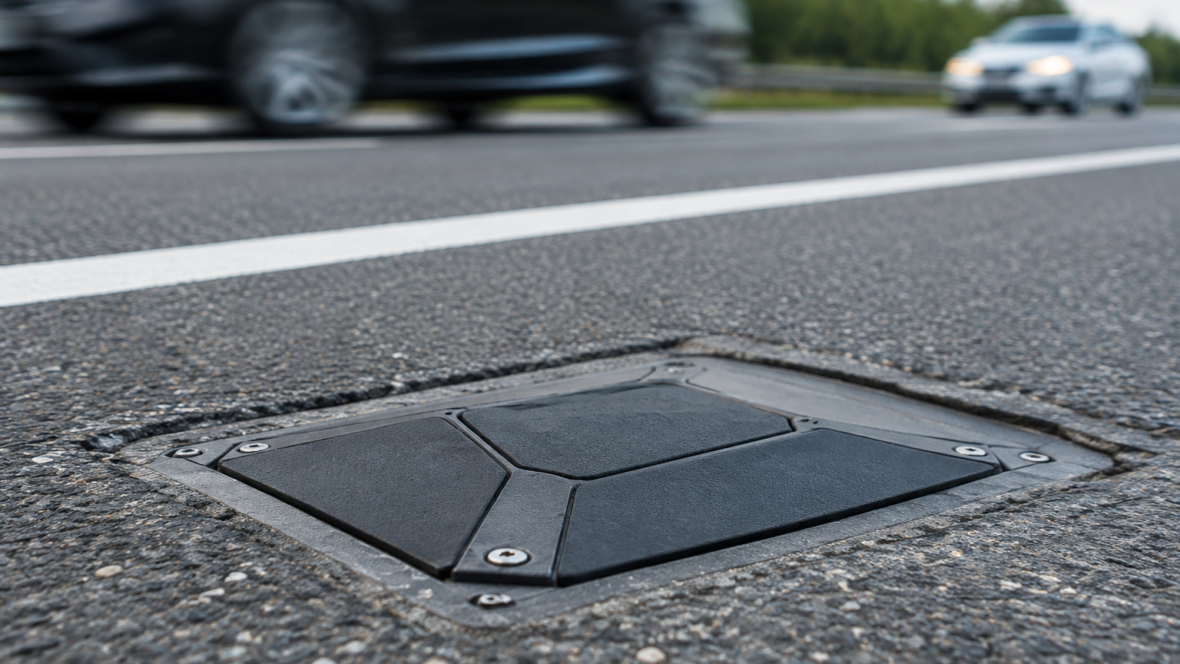
In Italy, the SV3 system is being trialled; it records dangerous overtaking using equipment embedded directly into the road surface. The technology, known as a sorpassometro, is designed to automatically record infringements on 15‑second video clips, which can form the basis for issuing a fine.
How the system works on the road
Sorpassometro uses sensors and cameras embedded in the road surface; they detect suspicious manoeuvres and save a recording that covers events before, during and after the possible infringement. The data are analysed by artificial intelligence: it recognises the type of vehicle, reads the number plate and determines the coordinates of the incident.
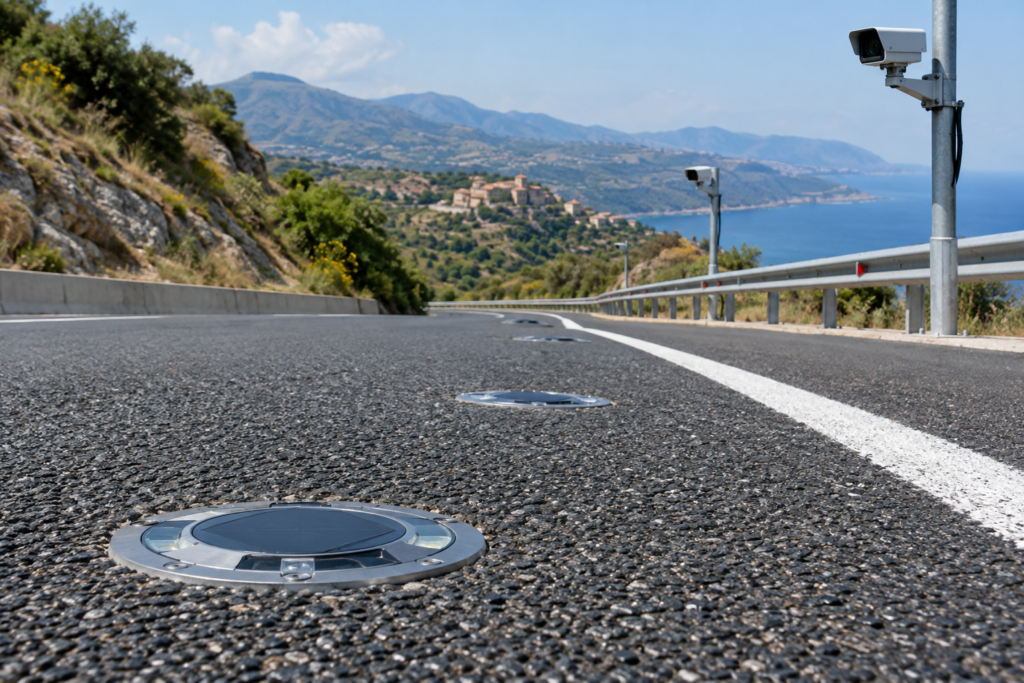
Collected material is automatically transmitted to the local police, who decide whether to impose a fine. The system is intended to record and document dangerous overtakes without operator involvement at the time of filming.
Where the pilot was carried out and the legal issues mentioned
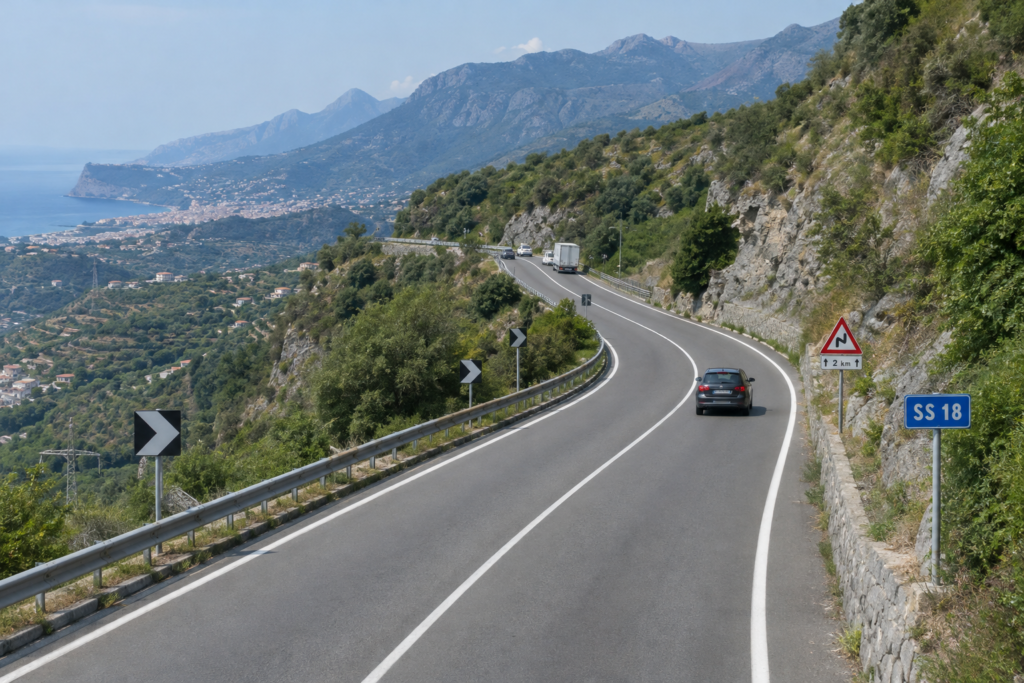
The pilot project was carried out on the SS18 national road in the Calabria region in southern Italy; this stretch is known for its winding roads and limited visibility. The report also notes that in Italy fines for such offences can range from 42 to 345 euros.
Regarding possible use of similar systems in Ukraine, the article stresses the need for legislative regulation, in particular on data collection and processing and consideration of the right to privacy. There is no information about plans to introduce such radars in Ukraine.