

According to Binance, the platform outlines tools for connecting financial artificial intelligence (AI) agents and managing their permissions during cryptoasset operations. The piece covers how to define access, use subaccounts and mechanisms for action confirmations.
How agent permissions are determined and where it draws funds from
The user first allocates funds to the agent and sets which actions it is permitted to take. The agent can analyse information, determine a sequence of actions and execute them via connected tools, and access to the financial account enables it to carry out operations with the user’s funds.
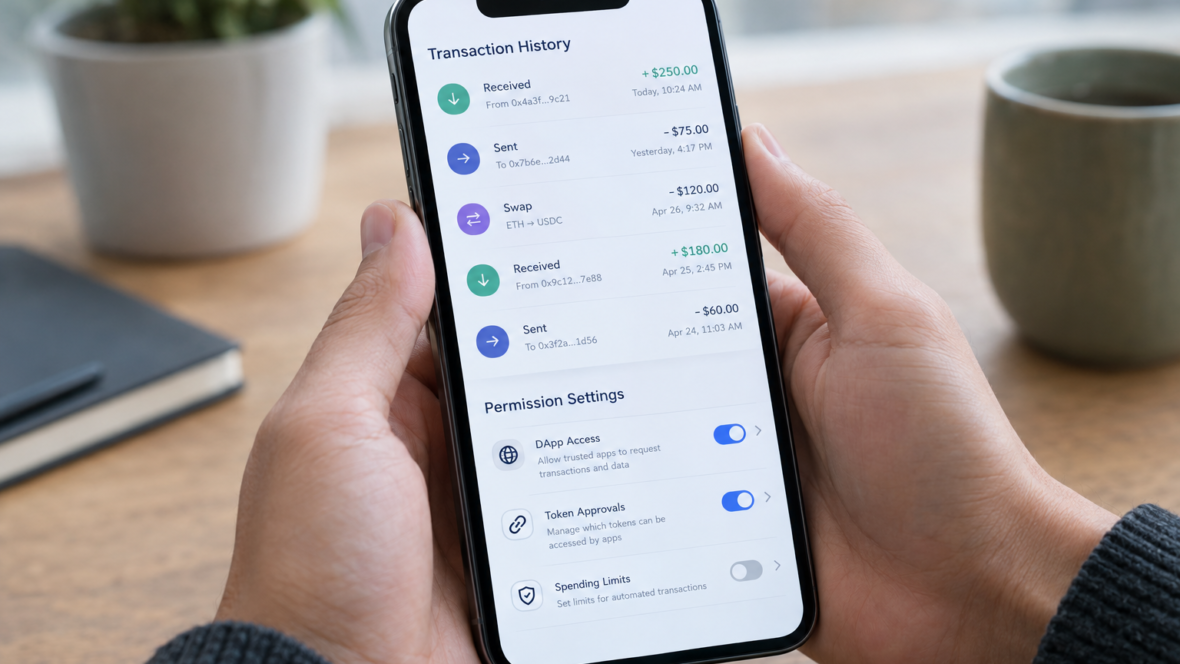
On Binance’s Agent OS platform, users can define an agent’s access rights, create a separate subaccount to segregate funds and revoke permissions. In a separate Agentic Wallet, the agent works only with funds transferred to a dedicated balance, and it is possible to restrict the range of operations, assets and recipients.
Limits, confirmations and the risks of limits
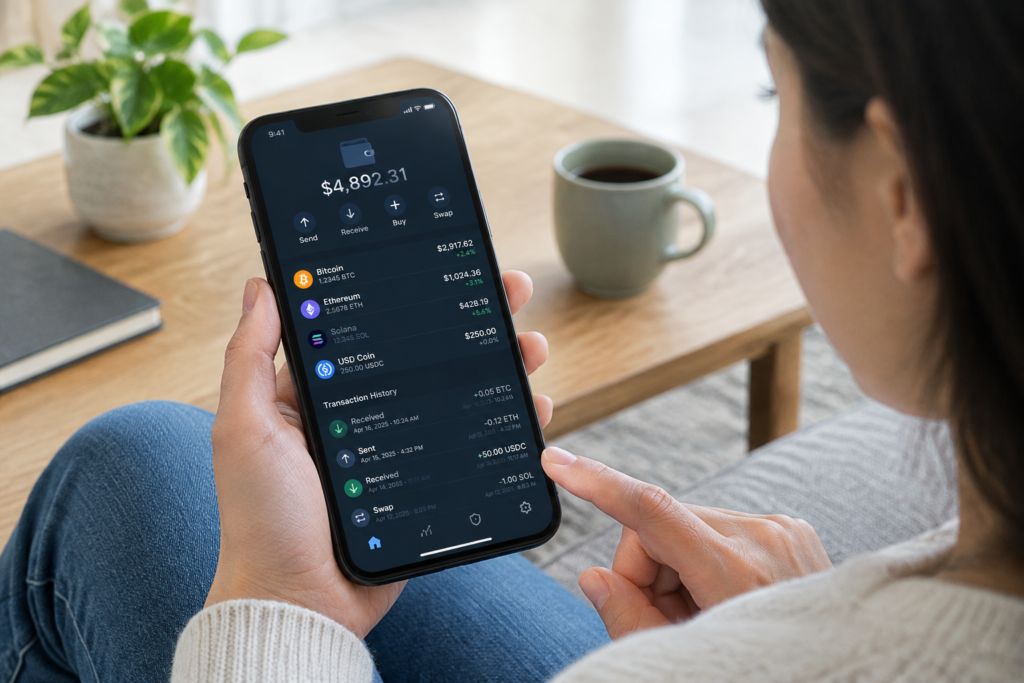
The wallet includes a transaction history and notifications about asset changes, and high‑risk actions may require confirmation or be declined depending on settings. The wallet can also be frozen via the app.
Special attention is paid to limits: a small set amount may apply only to a single category of operations, while separate settings apply to others. “Overly broad permissions or agent behaviour that the user did not anticipate can lead to an unwanted operation even within the set limits,” says the Binance Agentic Wallet description.

Platform checks, the role of third‑party apps and fraud‑prevention experience
Binance monitors trading activity on Agent OS, including orders, and conducts corresponding checks, but the agent’s reasoning and other stages of its operation occur in the AI application chosen by the user, and the platform does not see that process in full. When a third‑party agent is connected, it is important to understand which parts of the work are checked by the financial platform and which remain with the third‑party app.
Experience of using AI to protect against fraud shows a combination of automated checks and specialist work: as of June, more than 100 models supported Binance’s compliance and risk‑management work, and during 2025 the team made over 36,000 voice calls to users who might have been targeted by fraud. However, these figures relate only to anti‑fraud efforts and are not an assessment of the reliability of trading agents.
What to watch for in the coming days and which metrics to track
Check which features are available to Ukrainian users, which operations can be delegated to an agent and what restrictions apply in Agent OS and the Agentic Wallet. Track whether confirmation is required for high‑risk actions and which specific limits are applied to different categories of operations.
Update access settings when the agent’s task or the amount it works with changes, and also verify which parts of the work are controlled by the platform and which are left to the third‑party application.