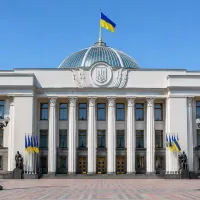




The Verkhovna Rada approved in principle bill No. 14327-d on Ukraine’s accession to the Single Euro Payments Area (SEPA); 249 MPs voted for it. Deputies also, with 258 votes, approved bill No. 15503, which makes the corresponding amendments to the Civil Code.
Parliament’s decision and additional provisions
Bill No. 14327-d provides for accession to SEPA and for strengthening oversight of the transparency and integrity of owners of financial institutions. A separate provision proposes creating a state register of bank accounts and individual safe‑deposit boxes of natural persons.
The adopted amendments also enshrine mechanisms for investigators’ access to the register. The Ministry of Finance is proposed as the register’s holder.
What SEPA is and the benefits for transfers
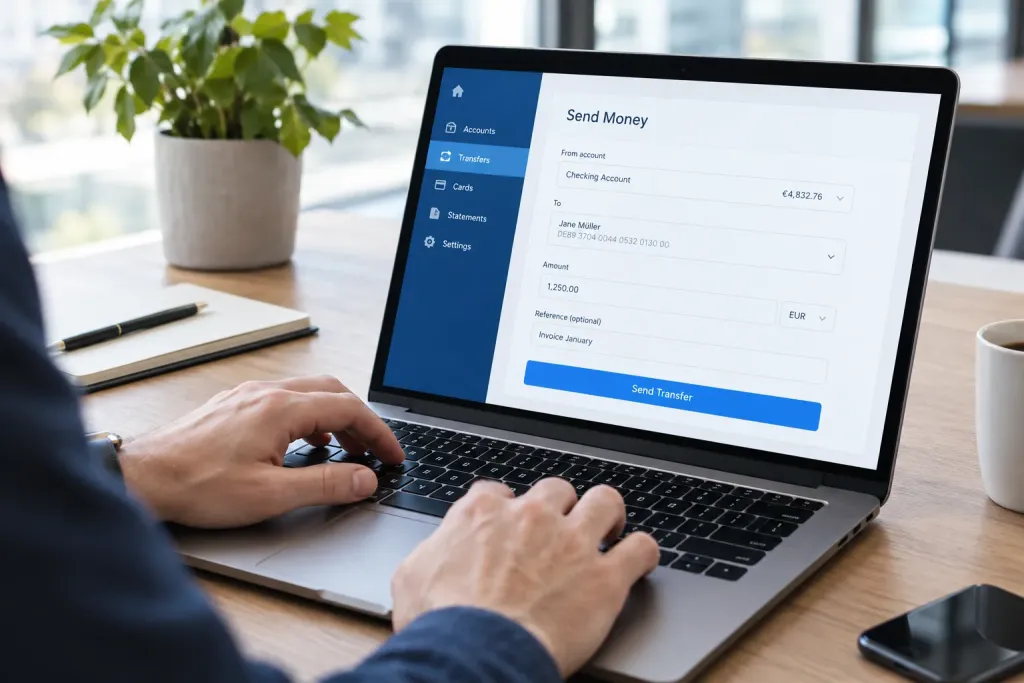
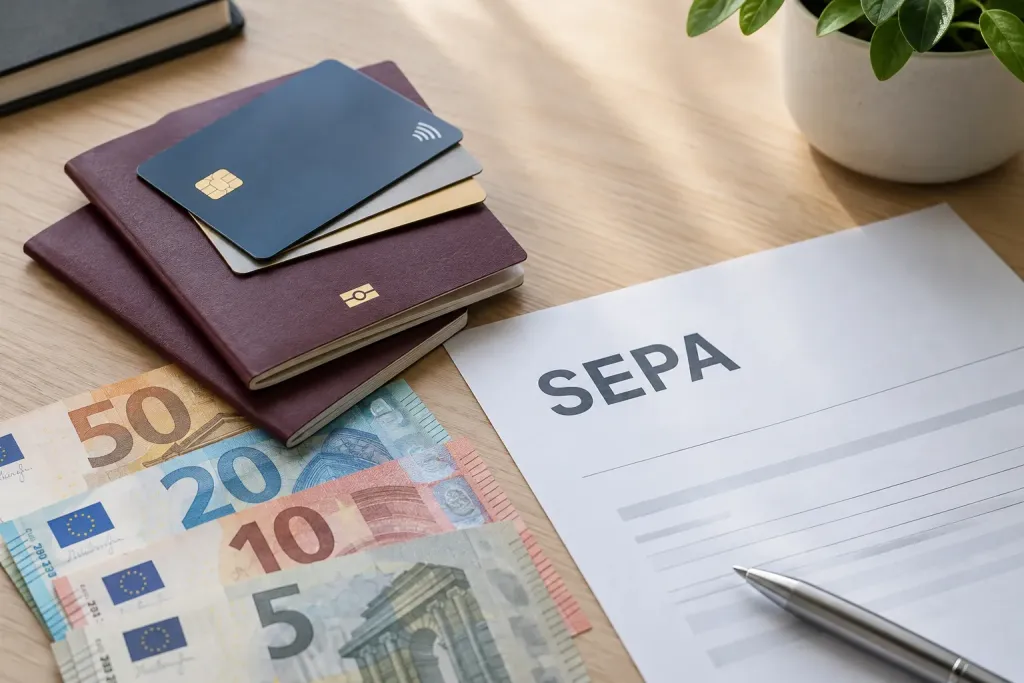
SEPA (Single Euro Payments Area) is a single payments area for euro transactions that makes transfers in euros between countries as simple as domestic payments within one country. A bank in any SEPA country processes a payment as if it were domestic, even when the money crosses a border.
The SEPA area covers more than 40 countries, including all EU member states, Norway, Switzerland, the United Kingdom and others — see https://www.ecb.europa.eu/paym/retail/sepa/html/index.en.html. After accession, international euro transfers may become faster and cheaper thanks to harmonised rules.
Account register: what is proposed and who will have access
MP Olha Vasylevska‑Smaglyuk explained during her speech that the creation of the registers is needed so that “the European Payments Council could be convinced that funds from Ukraine are not intended for money laundering.” She also noted that the bill clearly defines who and under what conditions will have access to the information.
According to lawmakers, investigative authorities and the Bureau of Economic Security (BES) will be able to search for individuals’ account data only within the scope of a criminal proceeding or other investigative actions. The register’s holder will be the Ministry of Finance.
Contents of the register and preliminary expert explanations
An expert explained that such a register would contain only basic information: information on balances, the movement of funds or sources of receipts would not be included in the register. The register is intended to answer the question of which bank a person opened an account with, but it will not show how much money is in that account.
Similar registers already operate in many countries of the European Union. The bill also provides measures to increase the transparency of financial‑institution owners.
Watch for the dates when the adopted provisions take effect, the Ministry of Finance’s decisions on launching the register, as well as any changes in commissions and the speed of euro transfers. Also monitor the official exchange rate of the National Bank of Ukraine (NBU), and the interbank and cash exchange rates in the coming days.