


Microsoft turns PCs into a platform for local AI
Microsoft has announced a set of technologies that move some computations from its Azure cloud data centres directly onto personal computers. The focus is a security system for autonomous AI agents and a new premium laptop, the Surface Laptop Ultra, which has become the centrepiece of the initiative reports Reuters.
It is a move intended to change the role of the desktop from a simple interface to a platform for running local AI tasks. Microsoft positions the shift as a challenge to Apple in the segment of powerful PCs with built‑in artificial intelligence capabilities.
Why Windows is moving to local AI now
The transition has been enabled by a combination of mature software and the availability of new chips that make it possible to run heavy models on end devices. Microsoft has chosen a hybrid Copilot model in which complex operations are pulled from the cloud while tasks with high privacy or cost sensitivity are executed locally.
This approach reduces the flow of personal data to external services while also helping control compute costs. However, hardware remains a key factor that will determine how quickly local AI reaches the mass market.
MXC isolates agents and boosts security
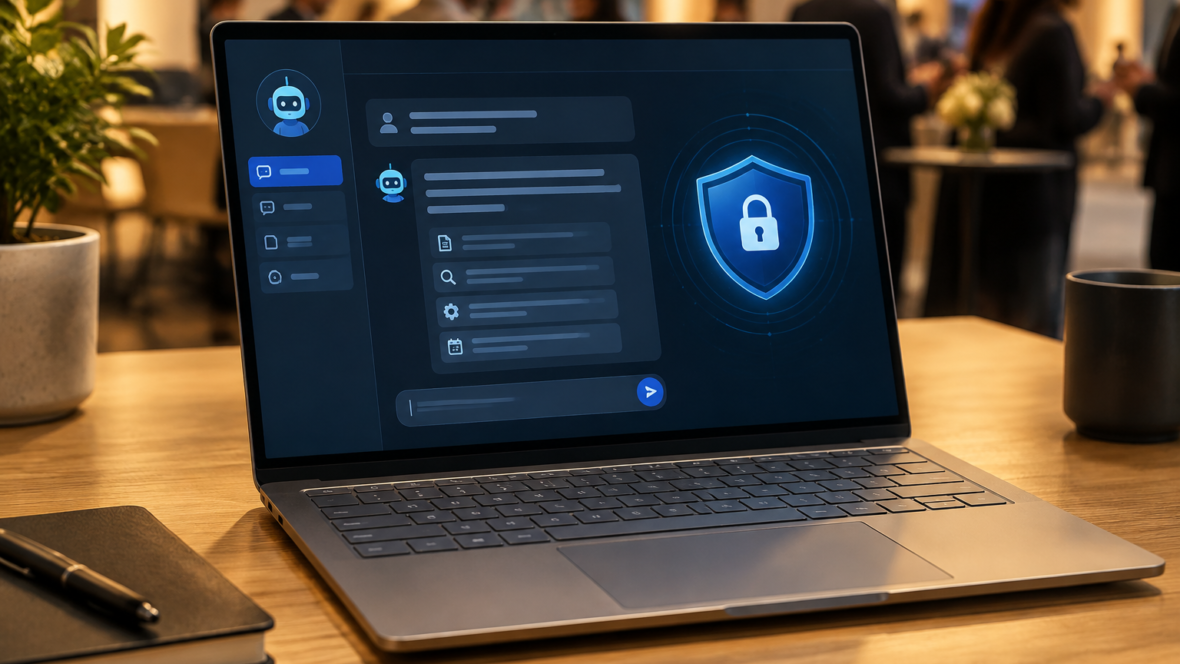
To secure the operation of autonomous agents on PCs, Microsoft introduced Microsoft Execution Containers, or MXC. The tool isolates agents’ actions and prevents them from accessing confidential information or performing unauthorised tasks.
System administrators will be able to set centralised rules for agents that Windows will enforce on employees’ machines. Companies Anthropic, OpenAI and Nvidia have already signalled their intent to use MXC. Nvidia CEO Jensen Huang said it “will revolutionise the process of creating and deploying agents.” Microsoft CEO Satya Nadella emphasised, “We had to make the desktop the safest place to run AI agent tasks.”

Surface Laptop Ultra and the cost of local AI
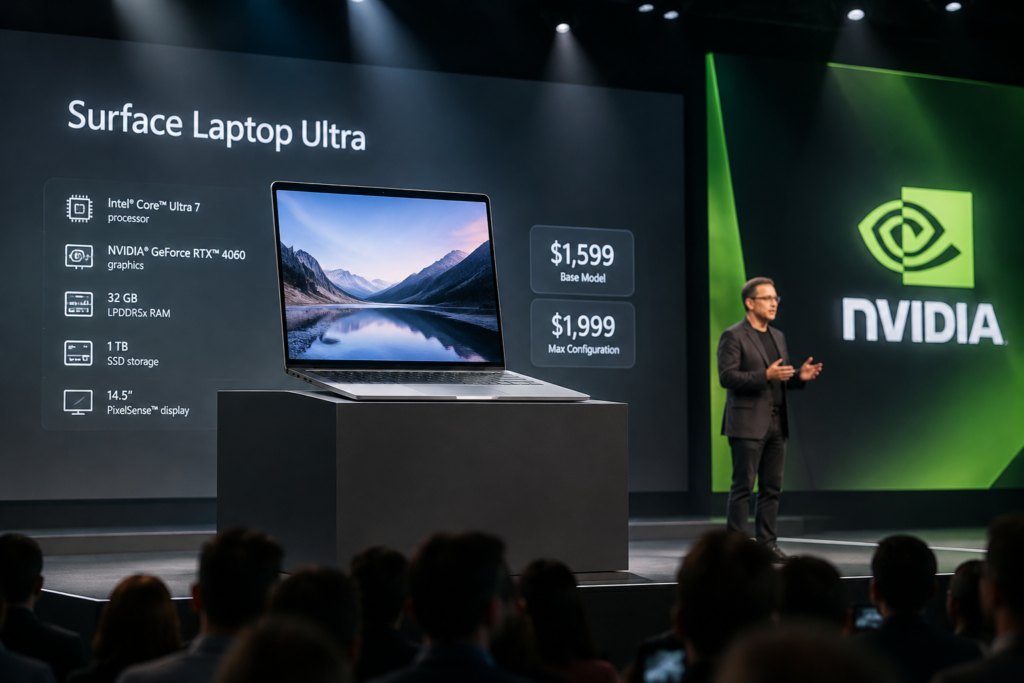
For running heavy models locally, Microsoft, in collaboration with Nvidia, unveiled the Surface Laptop Ultra. The base version costs from $2 599 and includes 24 GB of RAM. That is more than the 16 GB base RAM in Apple’s MacBook Pro priced at $1 999.
The top configuration is priced at $5 899 and features a 20-core processor, 128 GB of RAM and a 1 TB SSD. The high price underlines that the current wave of local AI is primarily aimed at companies and users with large budgets.
Who will be affected by local AI on Windows and how
The first beneficiaries will be organisations looking to reduce data‑leak risks and control cloud workloads. Centralised rules for agents make MXC attractive to IT departments, while support for Muse from Meta as a native app and compatibility with OpenClaw broaden the ecosystem of available tools.
At the same time, Moor Insights & Strategy analyst Anshel Sag points to a barrier in the form of hardware cost. He says that where software was previously not ready for local AI, it now is—but the hardware has become too expensive for the average user. Thus, local AI for now remains a segment for corporations and high‑budget users.