

Why the lights are being turned off again
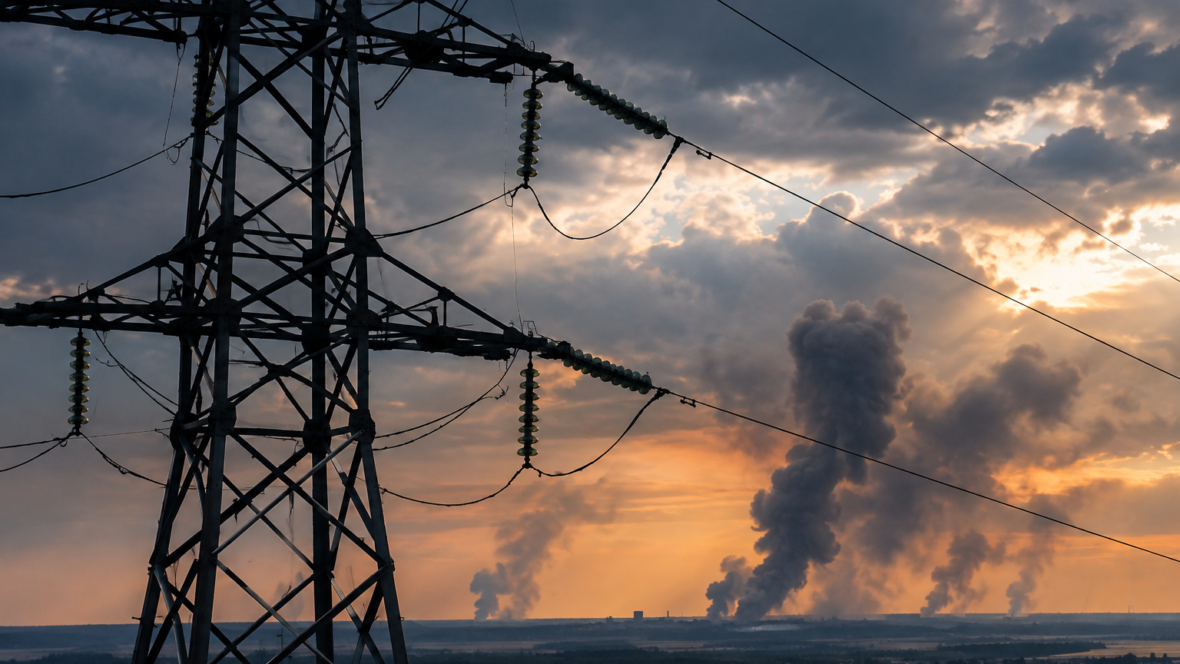
Rolling power outages are being reintroduced in a number of regions of Ukraine. The Ministry of Energy explains that the main reason is damage to energy infrastructure during Russian attacks.
Because of damage to the networks, the power system at times cannot deliver enough electricity to consumers. Restrictions are introduced as an emergency measure to avoid large-scale failures and system overloads.
What has changed and what has stayed the same compared with the previous regime
The format of this piece is a comparison. The table below shows the key differences between how the power system and the approach to outages worked before and how they operate now.
| Before | Now |
|---|---|
| Outage schedules were mostly planned or hourly, with advance notice to consumers. | Emergency outages have been added to the schedules due to destruction of infrastructure facilities after attacks. |
| Power restoration proceeded more predictably and quickly in the absence of mass damage. | Power is restored gradually to avoid repeated overloads, which extends the time without electricity for some addresses. |
| Operators could inform in advance about planned work. | Information about actual outages sometimes differs from published schedules because of unforeseen incidents. |
Such a table does not cover all local nuances but shows the main changes in the causes and consequences of outages. A clearer understanding helps consumers check up-to-date notices from their distribution system operators.
Types of outages and what they mean
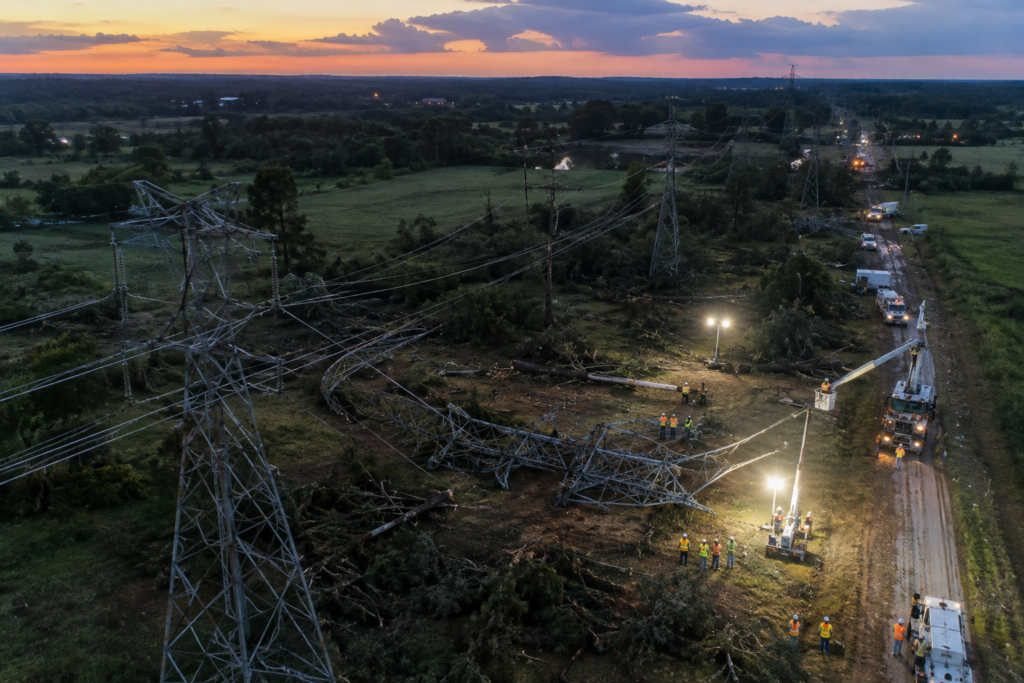
The Ministry of Energy distinguishes three types of outages: emergency, stabilisation and planned. Emergency outages are used in cases of serious damage or system failures to provide rapid protection for the network.
Stabilisation outages, also called hourly outages, are introduced during peak loads to balance the system. Planned outages are carried out for repairs, and distribution system operators must notify consumers in advance.
Why schedules do not always match actual outages
Power restoration happens gradually and this can cause discrepancies between what is listed in the schedule and what consumers experience. If, when reconnecting, the load exceeds the permissible level, restoration is postponed.
In addition, simultaneous incidents can overlap with hourly schedules, so additional minutes or hours may be added to the previously scheduled blackout. Therefore, consumers are advised to check the current schedules for a specific address on the official resources of their distribution system operator.
The night of 30 September and the impact on the power system
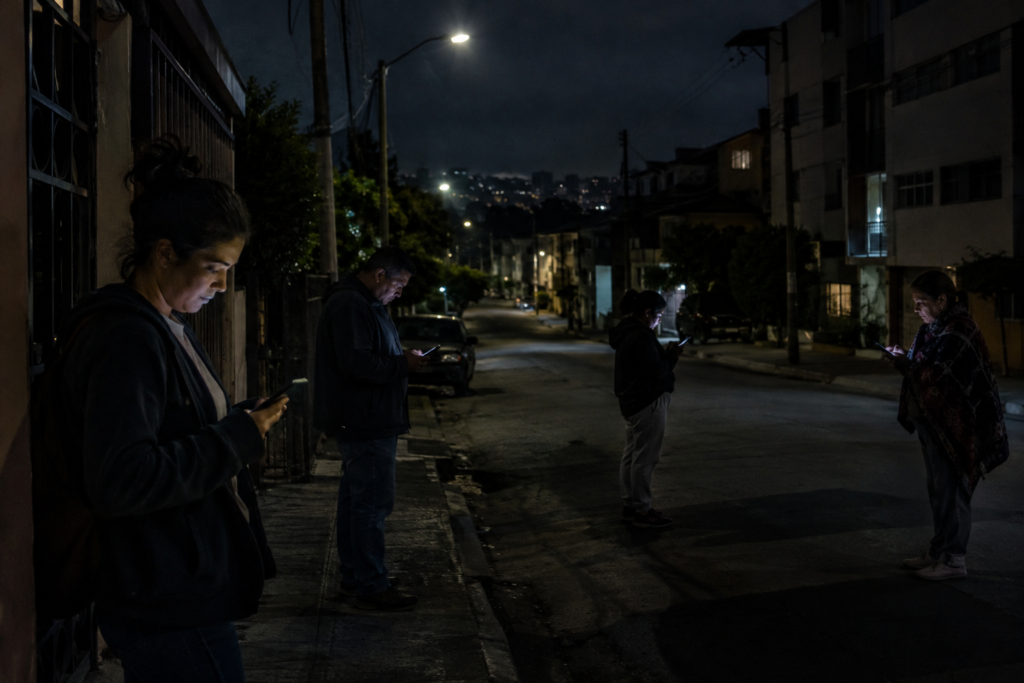
As «Minfin» wrote, on the night of 30 September Russian occupiers carried out a massive strike on Ukraine. According to President Volodymyr Zelensky, the enemy’s main targets were energy facilities in Kyiv and Kyiv region.
Prime Minister Serhii Koretskyi said this strike was the first mass attack on Ukraine’s energy sector since last winter. It is precisely after such attacks that the number of incidents and the need for stabilisation outages can increase.