



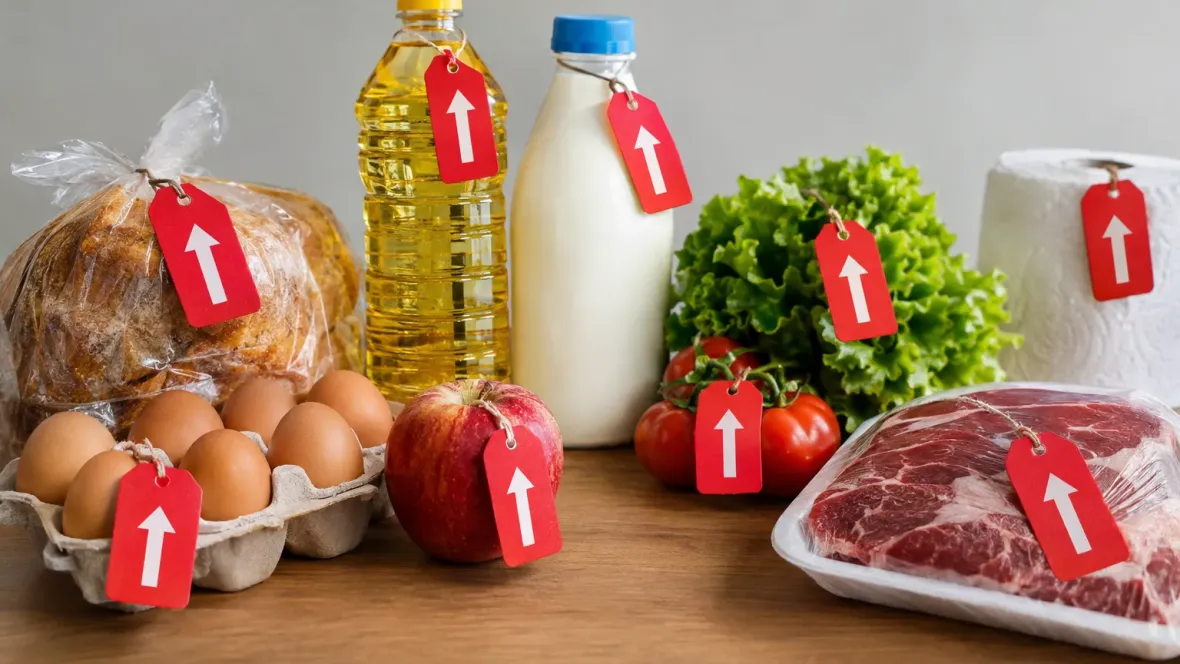
According to the National Bank of Ukraine (NBU), citing data from the State Statistics Service (Derzhstat), annual inflation accelerated to 11% in October 2026, and the monthly rise in consumer prices was 1,8%.
Fuel prices rose by almost 54%
Annual growth rates for fuel prices accelerated to 53,9% in October. The biggest increases during the month were in diesel fuel and automotive LPG.
Diesel prices rose because of higher prices on global markets, complications with imports and increased demand from owners of generators. Automotive LPG became more expensive due to damage to gas‑filling stations, reduced supply, logistical import constraints and higher propane and butane prices in Europe.

Increase in prices of raw food products
Annual inflation for raw food products accelerated to 6,8%. Above all, vegetables traditionally used in borscht rose faster due to smaller harvests and higher storage costs.
Sugar prices increased against the backdrop of an expected drop in production: sowing areas for sugar beet fell to a 35‑year low. Higher import logistics costs sped up price rises for bananas, while power outages and increased use of generators raised costs at poultry farms, which slowed the decline in chicken prices.
Eggs became cheaper after a sharp price rise in September. Prices for processed food products rose by 11,1% year‑on‑year, with faster increases in fermented dairy products, cheeses, confectionery and goods requiring cold storage.
Rising prices for medicines, electronics and services
Core inflation in October accelerated to 9,7% year‑on‑year, while prices for non‑food goods increased by 5,1%. Medicines made the largest contribution to non‑food price rises.
Higher medicine prices were driven by increased distributor costs for logistics, warehouse rent and energy supply following the destruction of warehouses. Electronics, household appliances, hygiene products and household chemicals also rose faster due to a global shortage of memory chips and losses of inventory stocks.
The cost of services rose by 14,6% year‑on‑year because of higher mobile tariffs, more expensive medical services and housing rents. Administratively regulated prices accelerated to 14,2%, primarily due to higher water supply tariffs and increased prices for alcoholic beverages.

Expectations for inflation until early 2027
The NBU expects price pressure to intensify until early 2027. The main factors cited are expensive fuel and the consequences of destruction to production and logistics infrastructure, which will raise business costs.
An additional upward effect on prices is expected from the anticipated expansion of fiscal stimulus at the end of the year. Thereafter the NBU forecasts a gradual slowdown in inflation as the fuel shock eases, economic activity remains subdued, wage pressures diminish and monetary policy helps to contain price growth.