
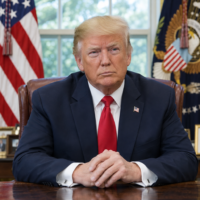


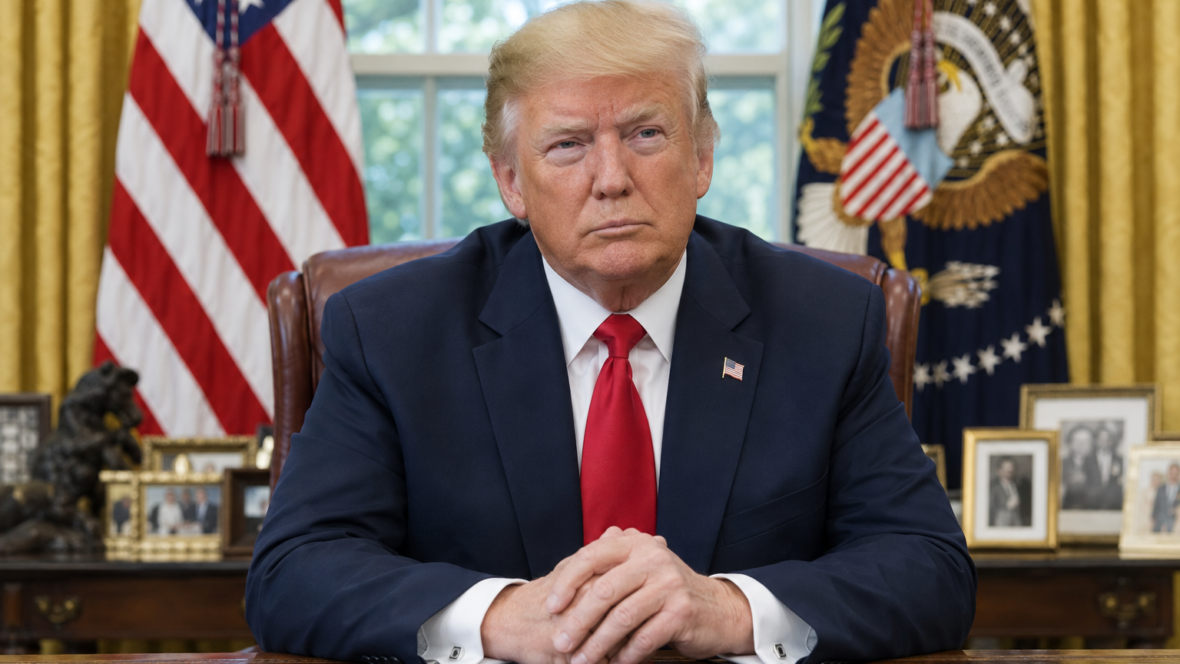
In an executive order published on Friday, US President Donald Trump suspended the operation of the Lindsey Graham law on «hellish sanctions» against Russia and Iran. The order formally establishes the tariffs set out by the law, but immediately suspends their application.
Which tariffs and sanctions did the law provide
The law provided that within 30 days the president must impose 100% tariffs on all goods from the five countries that buy the largest volumes of Russian oil. The document also foreseen sanctions against a number of Russian entities and 500% tariffs on all Russian energy imports to the United States.
The deadline for implementing these provisions expired on 18 October. The order simultaneously notes that the tariffs are formally established, but their application is suspended.
Basis for refusal and actions of the administration
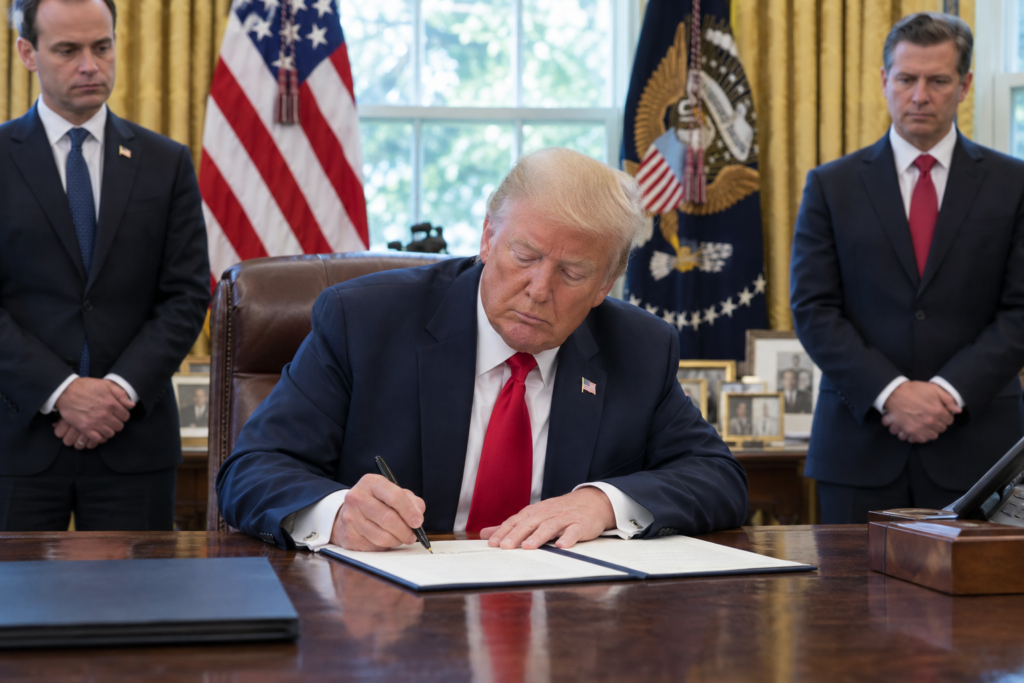
Section 115 of the law provides the president with the right to decline to apply the sanctions, restrictions and tariffs. The president must submit to Congress a written certification that declining to apply them is in the national interests of the United States, and must also provide a report explaining the grounds for such a decision.
In his order Trump wrote: “I am suspending the application of the sanctions, restrictions and tariffs provided for in the Graham law. I have submitted to Congress a certification that declining to apply them at this stage is in the national interests of the United States,” he said.
Political context of the decision
The document says the law is at odds with Mr Trump’s agreement with the head of the Russian Federation (RF), Vladimir Putin, on exporting Russian reserves of diesel fuel to world markets. The text also notes that declining to apply the tariffs may provoke a new wave of criticism from members of Congress, including Republicans.
The order takes effect on publication; the administration simultaneously enacted the formal tariffs and suspended their application while procedures for notifying Congress are carried out.