




What textGrain is and how it works
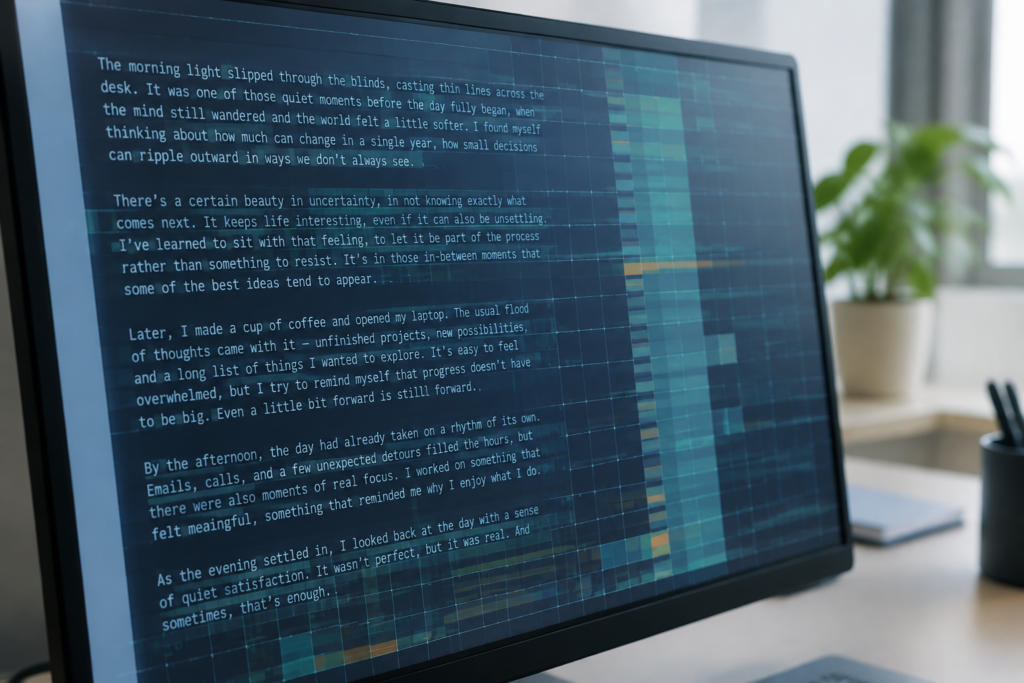
OpenAI announced the rollout of invisible text watermarks called textGrain for responses generated by ChatGPT and Codex. The technology inserts a statistical signal during the model’s word-selection process and makes the text machine‑readable for specialised detection tools.
The company has created a detector that checks for this hidden signal, and described the solution in more detail on its blog, which outlines the approach and technical specifics in more detail. This scheme does not alter the visible text for readers because it operates on the backend during generation.

Who will receive the watermarks and when
The decision was made in response to the requirements of the EU Artificial Intelligence Act (EU AI Act). In the coming weeks the watermarks will automatically be added to ChatGPT and Codex responses for users in the European Union to meet the rule on machine‑readable identification of generated text.
For developers using the OpenAI API worldwide, the feature will be optional and can be enabled manually. At the first stage, access to the detector will be granted only to approved researchers and expert organisations, and the company says it plans to release the technology as open source at a later date.
Will this affect the quality of responses and what are the limitations
OpenAI says that adding the watermarks does not affect the quality of generated responses or model performance, including the Astra model. That means ordinary users should not notice changes in phrasing or speed when working with the models.
At the same time, the company emphasises the existing technical limitations and asks that the technology be considered only as one verification tool. In its statement OpenAI stressed the following
“A text watermark does not measure human contribution, does not establish ownership, does not identify the individual user, and does not verify the accuracy of information”
This means that textGrain helps trace the provenance of automatically generated text but does not, by itself, resolve questions of authorship or the truthfulness of content.