


Who will pay the new tax and what are its rules
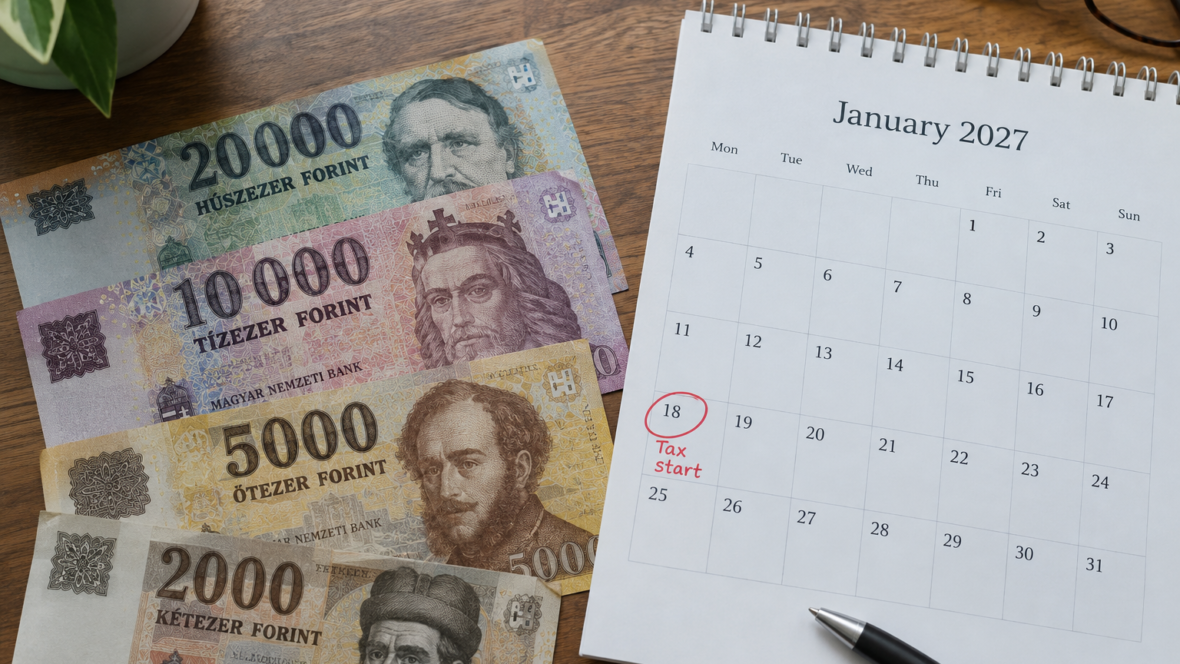
The Hungarian government plans to levy a wealth tax on individuals whose assets exceed 1 billion forints, equivalent to $3.1 million. Prime Minister Péter Madyar said he intends to introduce this mechanism starting from January 2027.
Under the announced scheme the rate will be 1 percent on the amount of assets above the 1 billion forint threshold. For extremely large fortunes there is an increased rate of 1.5 percent on assets exceeding 100 billion forints. The tax will cover all types of assets, including real estate, investments, company shares and assets abroad.

Why the tax is being introduced and how it relates to the budget
The initiative was in the election programme of the Tisa party, which in the April elections defeated Viktor Orbán’s Fides party. The new government faced a large budget deficit, which this year is projected at 7.5 percent of GDP, and the wealth tax is being considered as one means to reduce it.
Péter Madyar set a goal to reduce the deficit to 3 percent by 2030 in order to meet the criteria for countries aspiring to join the euro area. The government plans to present the 2027 budget bill and the roadmap for adopting the euro later in October. Proposals on the tax are to be published soon on the government’s website for public consultation, after which parliament — where Madyar’s party has a majority — will consider them.

How much revenue the tax could bring and what officials say about it
In the current video address Madyar did not give estimates of annual revenue from the new rate. However, in June he said the wealth tax could bring the budget between 300 and 600 billion forints a year and that they want to introduce it from 2027.
There is currently no final figure because the government needs to prepare a draft and publish the details for discussion. Only after the draft is published will it be clear which asset groups and which valuation methods will be applied and what revenue volumes are being assumed in the budget.
How it could affect the forint and people’s everyday finances
For ordinary citizens the direct impact of the tax will be limited to oligarchs and very wealthy asset owners because the threshold is set at 1 billion forints. However, government decisions to reduce the deficit could indirectly affect the forint through expectations about stabilising public finances and preparing to adopt the euro.
For payment card users and those exchanging cash, the effect will depend on the overall macroeconomic reaction of the market and how quickly the budget deficit changes. If the tax helps reduce the deficit, it could ease pressure on the currency, but the final consequences depend on the details of the tax base and on what revenues actually reach the budget after the mechanism is implemented.