




An equity bubble around artificial intelligence has burst in China: the STAR50 index (an index — a measure of price changes for a group of stocks) has fallen by 40% in less than four months, and the combined market value of the companies has shrunk by roughly $480 billion, according to Goldman Sachs.
Reasons for the stock slump
The decline interrupted a two‑year rally in China’s stock market that began after the announcement of government economic stimulus measures. Authorities had been trying to channel private savings into the stock market and to reduce the market’s cyclical fluctuations.

Investors fear the sell‑off could continue. Reasons cited include doubts about demand for AI technologies, potential export restrictions on equipment, lofty company valuations and tax liabilities.
Biggest losers among companies
Among the companies that suffered the largest losses are robot maker Unitree and chip maker CXMT. Unitree’s shares have lost half their value since trading began in August, and CXMT has fallen by more than a quarter over the past month, despite the fact that during the initial public offering (IPO) Unitree saw demand exceed supply by 8000 times, and CXMT’s placement was the largest in China’s semiconductor sector by funds raised.
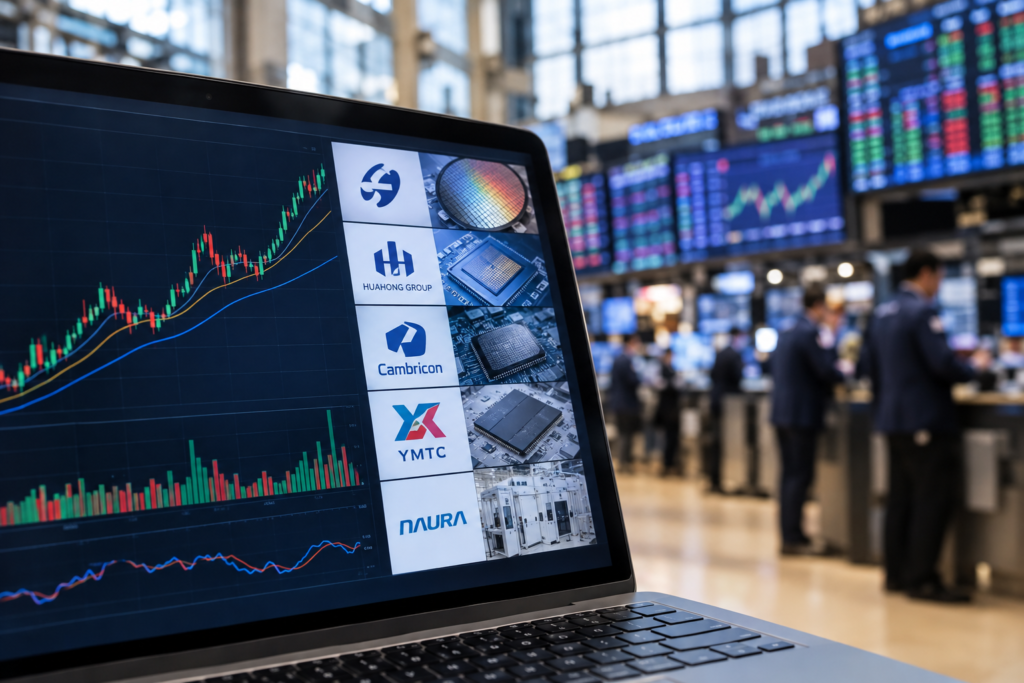
Shares of MetaX Integrated Circuits and Moore Threads Technology have also fallen by roughly half from July levels. Manufacturers of optical components Zhongji Innolight and Eoptolink Technology have dropped by about 60% from their peaks in June–July, and an additional risk cited is potential US restrictions on supplying their products to American data centres.
The market value of companies in the STAR50 index is roughly 100 times their combined annual profit, whereas in the Nasdaq 100 this ratio is about 30 to 1. Some investors view the sell‑off as a buying opportunity, others expect further price declines, and market participants warn that price competition could further reduce the profitability of Chinese chipmakers and suppliers of AI equipment.