




The Ministry of Finance of Ukraine (MinFin): the decision and who is affected
The Ministry of Finance of Ukraine (MinFin) declined to support a number of proposals for relief for companies that suffered damage as a result of Russian shelling. The ministry sent a letter to the tax committee in response to an appeal from the Rozetka group; Member of Parliament Olha Vasylevska-Smaglyuk reported this.
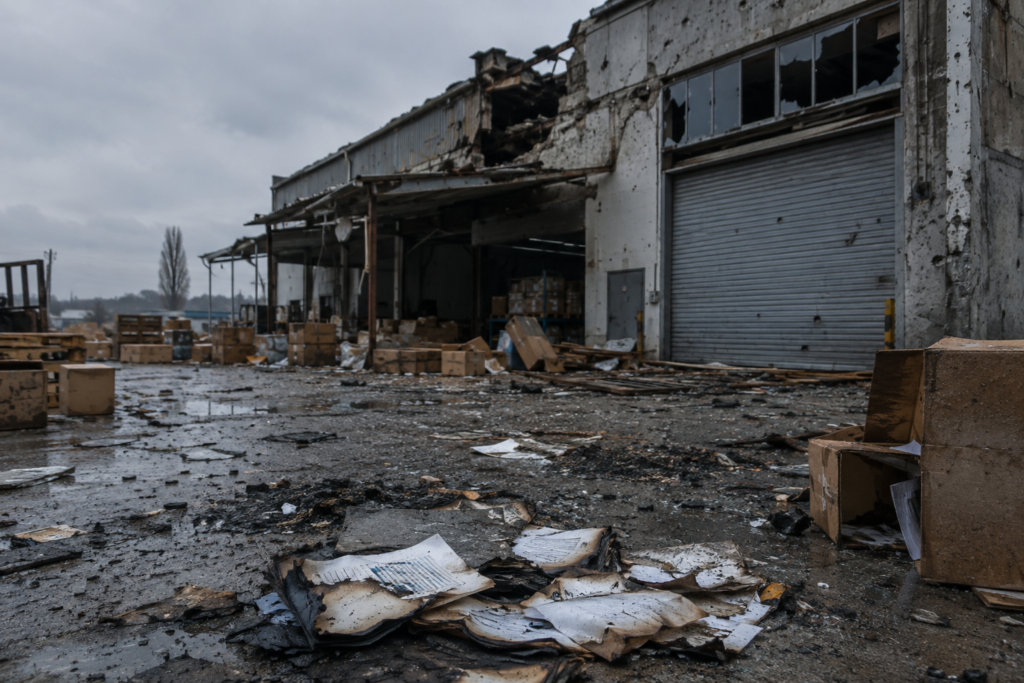
As a result of this refusal, the proposed changes will not come into force and do not provide automatic benefits. Affected businesses are considered to be enterprises that lost infrastructure or documents due to the shelling, but the exact criteria for applying relief have not yet been established.
Which business proposals were rejected and MinFin’s arguments
The first proposal was to allow companies to pay taxes later without accrual of interest and without collateral. The ministry replied that interest compensates the budget for delayed receipts, and collateral reduces the risk of non-payment. The ministry also believes that many companies operating across Ukraine or trading online may have other sources of income or assets even if part of their infrastructure is damaged.
At the same time, MinFin recognises the possibility of exceptional cases. Companies that, because of the war, are unable to fulfil their tax obligations can substantiate that inability and avoid penalties for late payment. Tax obligations are not cancelled and must be fulfilled within six months after the end of the state of martial law.
Cancelling scheduled tax inspections
Another initiative envisaged exempting affected businesses from scheduled tax inspections regardless of their location. The ministry did not support this proposal, referring to existing limits on inspections and to the risks of tax non-payment.
In addition, MinFin emphasised international obligations, in particular to the International Monetary Fund (IMF), which also influence decisions on the regime of control and inspections.
Simplified reporting without documents
Companies asked to be allowed to substantiate tax reporting without documents in cases where they were lost due to shelling outside active combat zones and occupation. MinFin responded that a destroyed office or warehouse does not necessarily mean documents are lost, and if they are lost that does not always make their restoration impossible.
The ministry acknowledges that such situations require a different approach, but for now it does not agree to a blanket expansion of the rules without additional verification of the circumstances.

Step‑by‑step mechanics of the proposed concessions
- The company files a request for a deferral or simplification and provides evidence of damage from shelling.
- The tax authority checks the submitted data and decides whether the circumstances that make it impossible to fulfil obligations are confirmed.
- If confirmed, it was proposed to allow a deferral of payments without interest and without collateral.
- At the same time there was an idea to suspend scheduled inspections and adopt special rules for substantiating reporting without documents, subject to subsequent fulfilment of obligations.
This scheme shows that the proposals envisaged a sequence of actions from the company’s request to a final return to the normal tax payment regime.
Unresolved issues and the context for the state
The main unresolved question is how to assess the impact of the war on each company. The ministry stresses that without such an assessment it is impossible to determine how to settle accounts with the budget and which exceptions are permissible. This limits the scope for universal solutions.
To recap the statistics cited in the report: Russian attacks affect nine out of ten Ukrainian businesses. 7% of companies suffered direct losses, a further 41% experienced indirect losses due to supply disruptions and rising prices, and 43% face real risk. Surveys also show that between 65% and 80% of companies support most of the proposed measures, if they are allowed to choose three priorities.